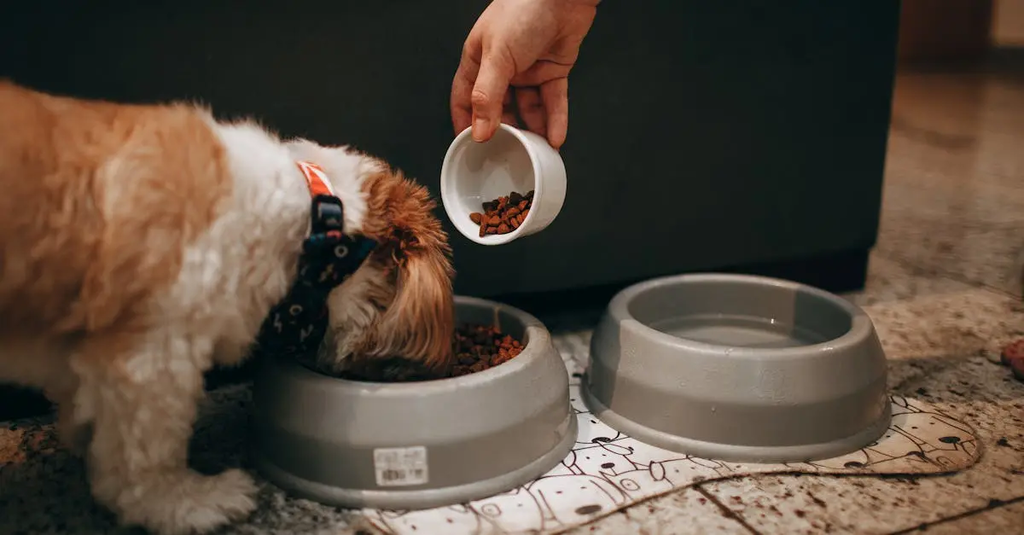
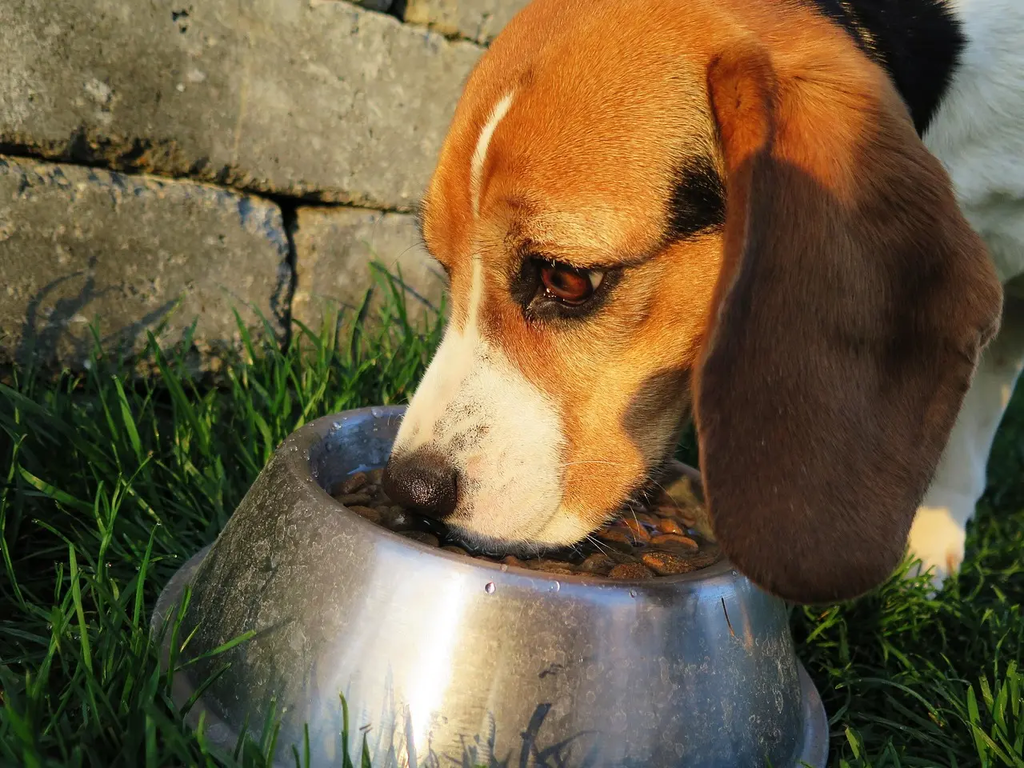
The science of dog food texture examines how the physical form—such as kibble, wet food, or semi-moist—affects a dog’s eating experience, digestion, and health. Texture influences palatability, chewing behavior, and nutrient absorption. For example, crunchy kibble can help reduce plaque, while softer foods may benefit dogs with dental issues. Understanding texture helps pet owners choose diets suited to their dog’s age, breed, and specific health needs, ensuring optimal nutrition and enjoyment.
The Science of Dog Food Texture
The science of dog food texture examines how the physical form—such as kibble, wet food, or semi-moist—affects a dog’s eating experience, digestion, and health. Texture influences palatability, chewing behavior, and nutrient absorption. For example, crunchy kibble can help reduce plaque, while softer foods may benefit dogs with dental issues. Understanding texture helps pet owners choose diets suited to their dog’s age, breed, and specific health needs, ensuring optimal nutrition and enjoyment.
💡 Key Takeaways
- Understand what texture means in dog food and why it matters for chewing, palatability, and digestion.
- Learn how processing methods (extrusion, binding, canning) shape texture and nutrient availability.
- Compare common textures (dry kibble, semi-moist, canned) and when each is suitable for different dogs.
- Explore how texture influences dental health, hydration, and feeding satisfaction.
❓ Frequently Asked Questions
What does texture mean in dog food, and why does it matter?
Texture refers to the physical feel and structure of the food (hard, crunchy, chewy, soft). It influences how dogs chew, how long they take to eat, and how easily they swallow, interacting with aroma and flavor to affect acceptance.
How is the texture of dry kibble usually created?
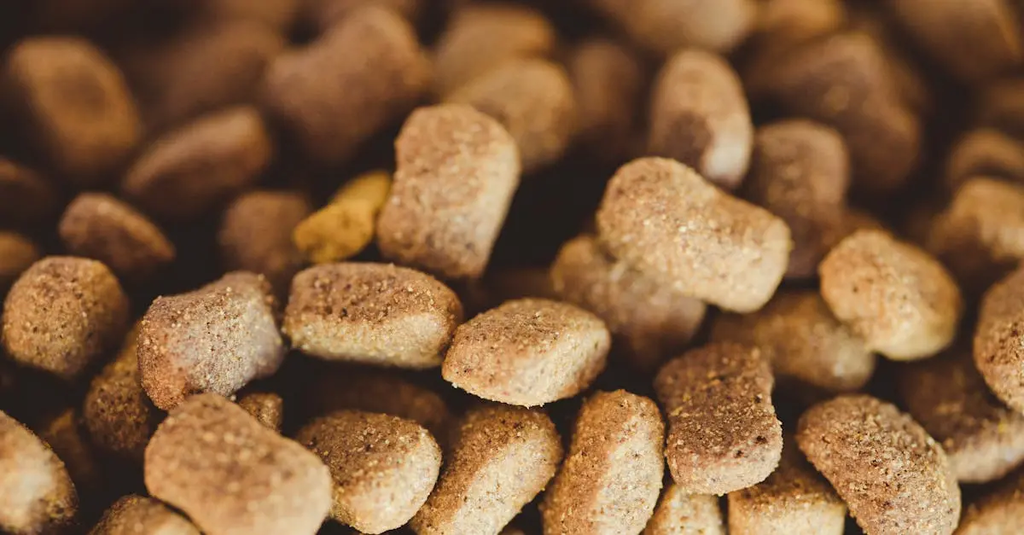
Most dry kibble is made by extrusion, where dough is cooked under high heat and pressure and forced through a shape-die to form hard, uniform bites, then cooled and dried.
How does moisture content affect texture across dog foods?
Moisture level largely determines texture: dry kibble is hard and crisp; semi-moist products are softer and a bit chewy; canned/wet foods are very soft and spreadable.
What is soft-moist dog food, and what determines its texture?
Soft-moist foods are pliable, chewy products with higher moisture content and often humectants to keep them moist, giving a convenient, easy-to-chew texture.