The phrase "Thumbs Up vs Thumbs Down (Gesture Waves (Thumbs & Peace))" refers to the use of hand gestures to communicate approval or disapproval, commonly represented by raising the thumb upward for agreement or positivity and downward for disagreement or negativity. These gestures, along with the peace sign, are part of universal nonverbal communication, often used in social interactions, digital platforms, and cultural exchanges to quickly convey emotions or judgments without words.
Thumbs Up vs Thumbs Down
The phrase "Thumbs Up vs Thumbs Down (Gesture Waves (Thumbs & Peace))" refers to the use of hand gestures to communicate approval or disapproval, commonly represented by raising the thumb upward for agreement or positivity and downward for disagreement or negativity. These gestures, along with the peace sign, are part of universal nonverbal communication, often used in social interactions, digital platforms, and cultural exchanges to quickly convey emotions or judgments without words.
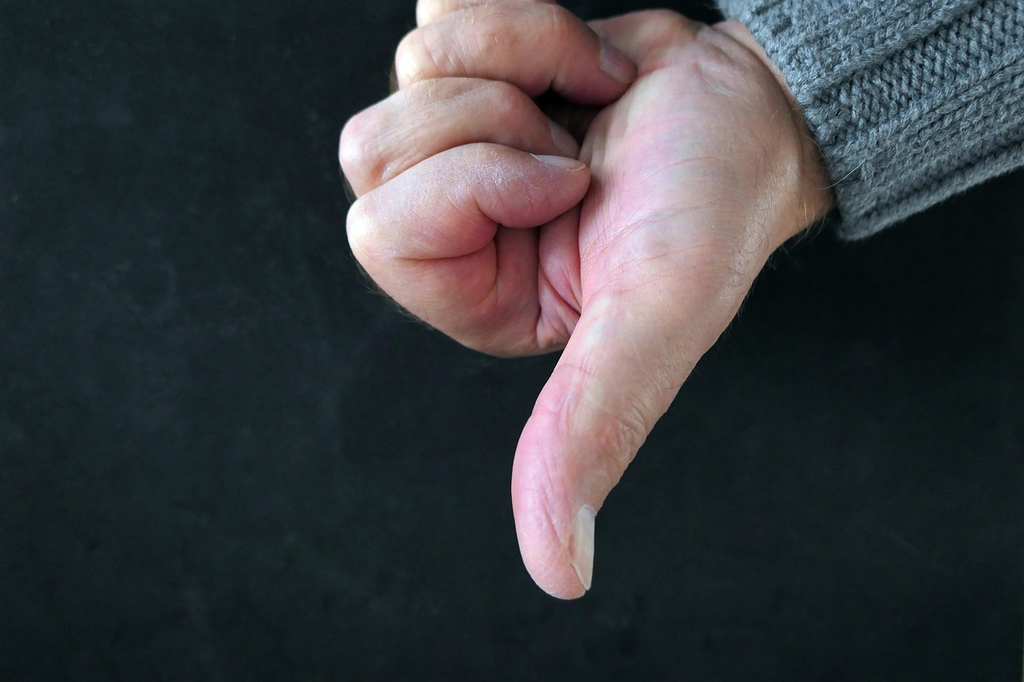
💡 Key Takeaways
- Understand the basic meanings of thumbs up and thumbs down as signals of approval and disapproval in digital contexts.
- Identify common scenarios where you might see each gesture and how to interpret the feedback correctly.
- Recognize potential biases and misinterpretations when relying on thumbs-based feedback.
- Learn practical strategies to use thumbs up/down feedback to improve content, discussions, or decisions.
❓ Frequently Asked Questions
What does a thumbs up commonly signal?
Approval, agreement, or positive feedback.
What does a thumbs down commonly signal?
Disapproval, disagreement, or negative feedback.
Are thumbs up/down universal across cultures?
No. Meanings vary by culture and context; in some places the gesture can be offensive.
How should you interpret thumbs up/down in this quiz?
Use the surrounding context to determine whether the gesture reflects positive/negative sentiment, and note any cultural caveats mentioned.