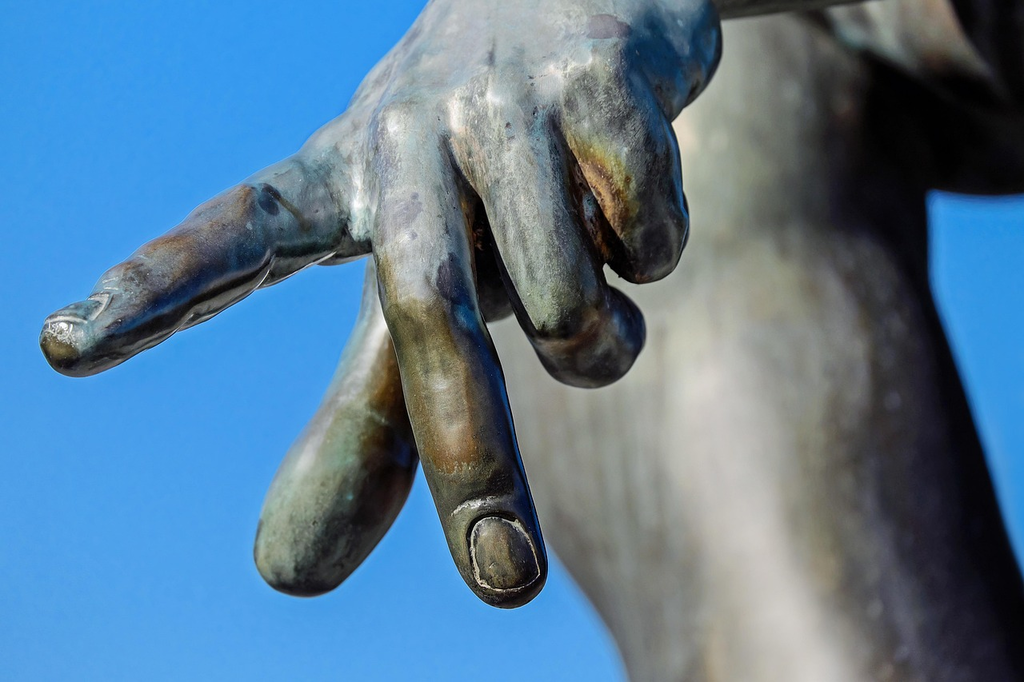
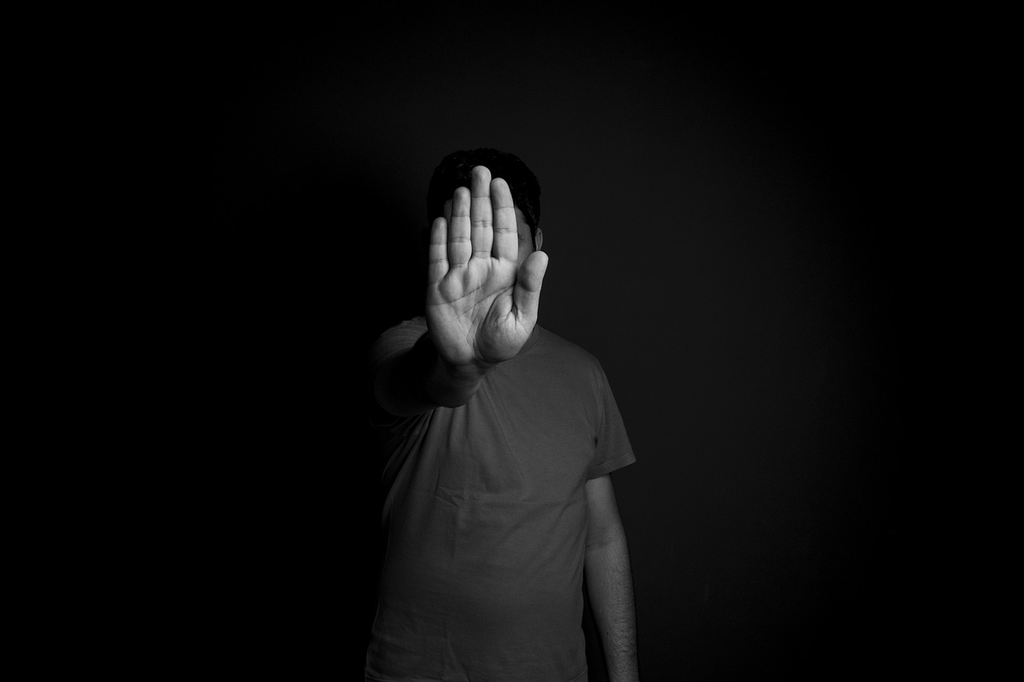
The psychology of hand gestures, such as the thumbs-up and peace sign, reveals their powerful role in nonverbal communication. A thumbs-up typically signals approval, agreement, or encouragement, fostering positive social interactions. The peace sign, formed by raising the index and middle fingers, conveys harmony, goodwill, or victory. Both gestures transcend language barriers, quickly expressing emotions and intentions, and are often used to build rapport and convey friendliness in diverse social contexts.
Psychology of Hand Gestures
The psychology of hand gestures, such as the thumbs-up and peace sign, reveals their powerful role in nonverbal communication. A thumbs-up typically signals approval, agreement, or encouragement, fostering positive social interactions. The peace sign, formed by raising the index and middle fingers, conveys harmony, goodwill, or victory. Both gestures transcend language barriers, quickly expressing emotions and intentions, and are often used to build rapport and convey friendliness in diverse social contexts.
💡 Key Takeaways
- Learn how hand gestures accompany speech and influence message clarity and perceived confidence.
- Identify different gesture types (emblems, illustrators, regulators, and adapters) and their typical functions.
- Explore cultural and contextual differences in gesture meaning across societies.
- Discover how gestures reflect emotions and attitudes and how context shapes interpretation.
❓ Frequently Asked Questions
What are the main types of hand gestures studied in psychology?
Emblems, illustrators, regulators, and adaptors.
Are hand gestures interpreted the same way in every culture?
No. Many gestures have culture-specific meanings, and context matters to avoid misinterpretation.
Do gestures always reflect true feelings?
Gestures can reveal emotions, but they can also be deliberate or incongruent with spoken language; consider context.
How can I use this knowledge when answering quiz questions?
Look for clues about culture (emblem vs. universal), whether a gesture accompanies speech (illustrator) or regulates conversation, and any mention of emotion.