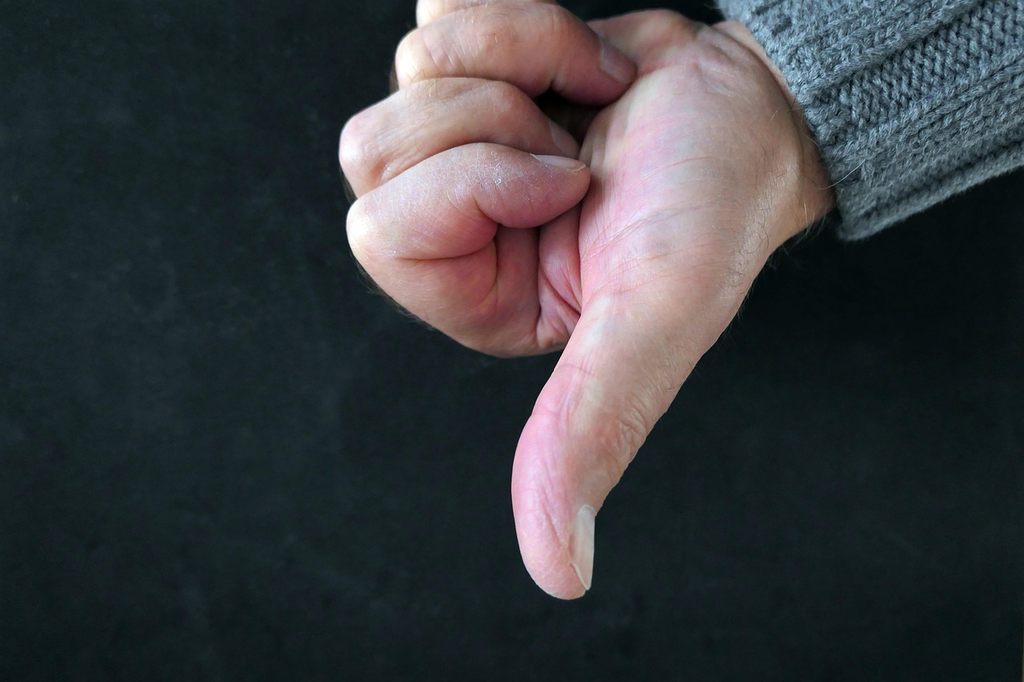
Gestures like waving, giving a thumbs up, or flashing the peace sign can have different meanings across cultures. In many Western countries, a thumbs up signals approval, while in some Middle Eastern or Asian cultures it may be considered rude. The peace sign, made by raising the index and middle fingers, often means "victory" or "peace" in the West, but can be offensive if the palm faces inward in places like the UK or Australia.
Gestures in Different Cultures
Gestures like waving, giving a thumbs up, or flashing the peace sign can have different meanings across cultures. In many Western countries, a thumbs up signals approval, while in some Middle Eastern or Asian cultures it may be considered rude. The peace sign, made by raising the index and middle fingers, often means "victory" or "peace" in the West, but can be offensive if the palm faces inward in places like the UK or Australia.
💡 Key Takeaways
- Understand how gesture meanings vary across cultures and how context changes interpretation
- Identify common hand gestures that are polite in some cultures but offensive in others to avoid miscommunication
- Learn practical tips for respectful cross-cultural nonverbal communication and how to ask for clarification when unsure
- Discover how cultural context shapes when gestures are used in business versus social settings
❓ Frequently Asked Questions
What does a thumbs-up gesture typically mean in many cultures, and when could it be problematic?
It usually signals approval or agreement, but in some regions it can be rude or offensive. If traveling, adapt to local norms.
Why can the 'OK' hand sign be problematic across cultures?
While commonly meaning 'okay' in many places, it can be insulting or have different meanings in others (e.g., some regions view it as vulgar or tied to money). Use cautiously.
What should you know about the 'V' sign (palm outward vs inward)?
Palm outward often means peace or victory; palm inward can be a crude insult in some countries (like the UK). Be mindful of the direction when signaling.
Are head nods and shakes universal for 'yes' and 'no'?
No. In many places nodding means 'yes' and shaking means 'no', but some regions (e.g., parts of the Balkans) reverse these meanings. Observe locals or ask.