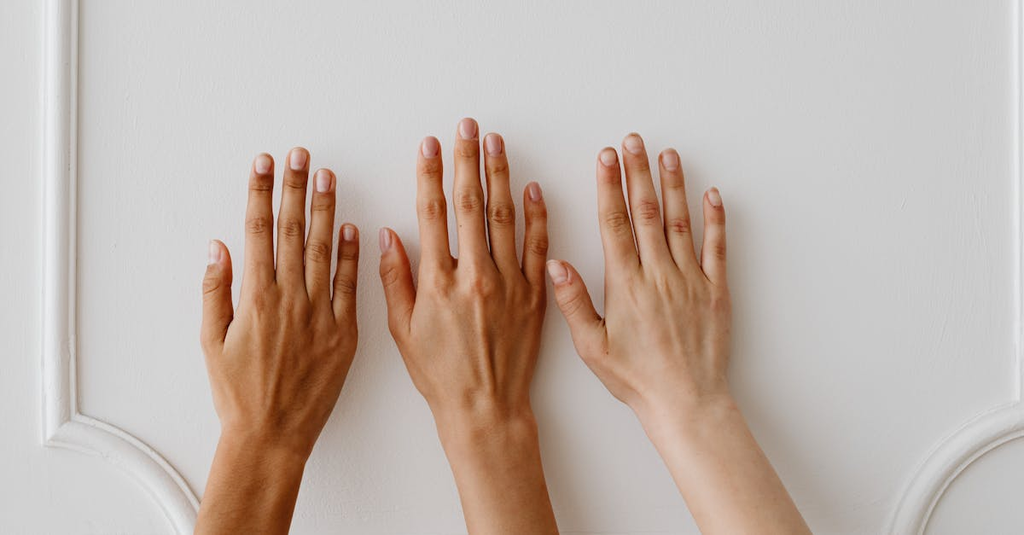
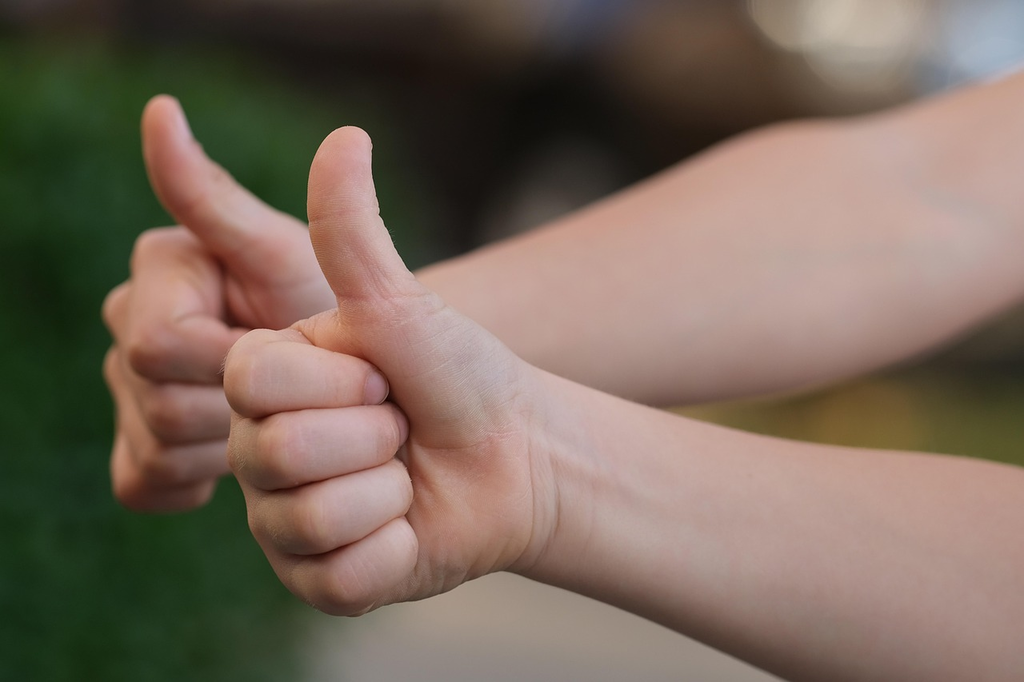
Peace Sign Basics refers to the simple hand gestures commonly used to convey positive messages. The peace sign involves raising the index and middle fingers in a "V" shape, symbolizing peace or victory. Gesture waves include friendly movements of the hand, often used for greeting or bidding farewell. Thumbs up is another basic gesture, signifying approval or agreement. These universal gestures foster nonverbal communication and express goodwill across cultures.
Peace Sign Basics+50
Peace Sign Basics refers to the simple hand gestures commonly used to convey positive messages. The peace sign involves raising the index and middle fingers in a "V" shape, symbolizing peace or victory. Gesture waves include friendly movements of the hand, often used for greeting or bidding farewell. Thumbs up is another basic gesture, signifying approval or agreement. These universal gestures foster nonverbal communication and express goodwill across cultures.
💡 Key Takeaways
- Origin of the peace sign and its evolution from V for victory to a global symbol
- Cultural meanings and etiquette across regions (e.g., palm facing in vs out)
- How to form the gesture correctly and avoid common mistakes
- Notable moments and pop-culture use of the peace sign
❓ Frequently Asked Questions
What is the peace sign and how is the hand gesture made?
The peace sign is a V‑shaped gesture made by raising the index and middle fingers. Typically the palm faces outward to mean peace; the meaning can change with palm orientation.
Where did the peace sign originate?
It was created in 1958 by Gerald Holtom for the Campaign for Nuclear Disarmament, inspired by semaphore signals for N and D inside a circle.
What does the peace symbol (circle with lines) represent?
The symbol combines semaphore N and D and has become a global emblem of peace and nuclear disarmament.
In which places is the inward‑palm version of the peace sign considered rude?
In the United Kingdom, Ireland, and some other Commonwealth countries, the palm‑inward version is seen as an insult; use the outward-facing palm to signal peace.
How did the peace sign become linked to anti‑war movements?
In the 1960s, activists adopted the symbol during protests against war, notably the Vietnam War, helping it spread worldwide as a sign of peace.