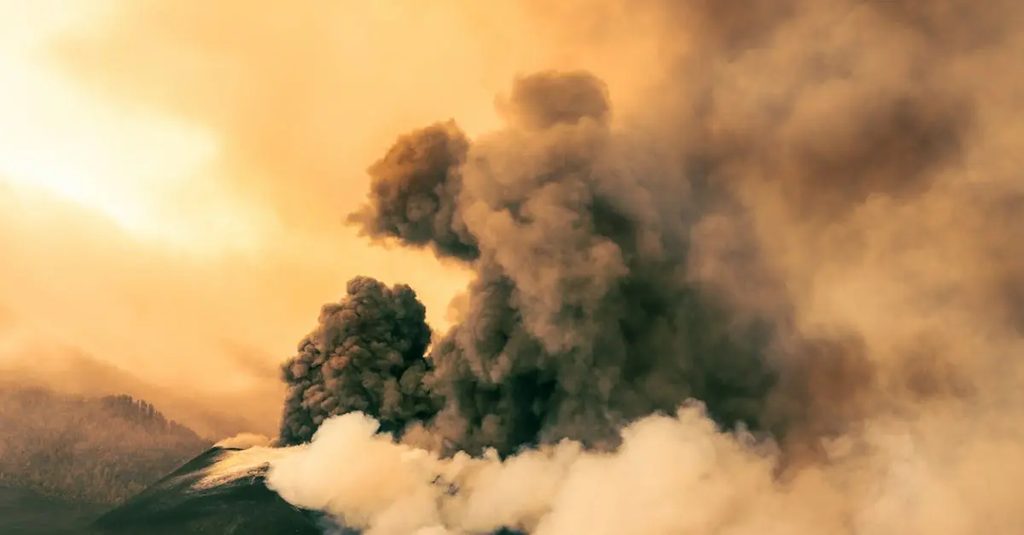
Thunderstorms showcase nature’s intense and unpredictable power, often marked by dark skies, booming thunder, and brilliant flashes of lightning. These storms can bring heavy rain, strong winds, and sometimes hail, creating an atmosphere that can be both awe-inspiring and frightening. Their sudden onset and potential for damage highlight the raw, untamed side of weather, reminding us of nature’s ability to disrupt daily life and command respect.
Thunderstorms+50
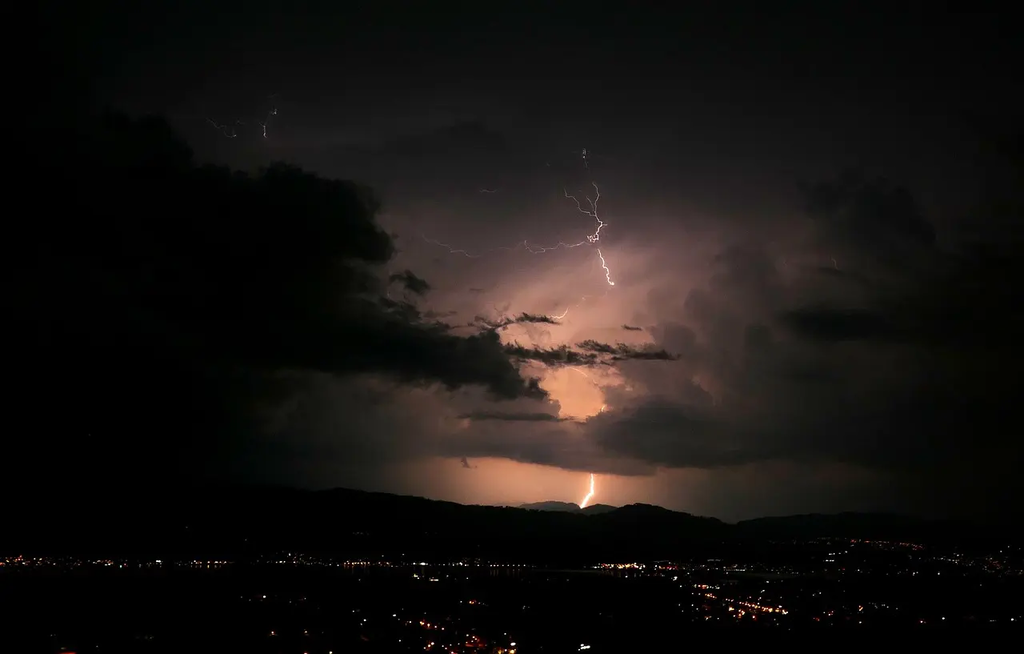
Thunderstorms showcase nature’s intense and unpredictable power, often marked by dark skies, booming thunder, and brilliant flashes of lightning. These storms can bring heavy rain, strong winds, and sometimes hail, creating an atmosphere that can be both awe-inspiring and frightening. Their sudden onset and potential for damage highlight the raw, untamed side of weather, reminding us of nature’s ability to disrupt daily life and command respect.
💡 Key Takeaways
- Understand what a thunderstorm is and the role of heat, moisture, and rising air in its formation.
- Learn the stages of a thunderstorm (cumulus, mature, dissipating) and the key features of each.
- Identify common hazards associated with thunderstorms (lightning, hail, strong winds, flash flooding) and basic safety measures.
- Distinguish between ordinary thunderstorms and severe weather threats and know when to seek shelter.
❓ Frequently Asked Questions
What is a thunderstorm?
A weather event with cumulonimbus clouds that bring heavy rain, thunder, lightning, and strong winds, driven by rapidly rising warm, moist air.
How is lightning formed?
Lightning is a rapid electrical discharge caused by charge separation inside a storm, or between a storm and the ground, which heats the surrounding air and creates thunder.
What conditions lead to thunderstorm development?
Warm, moist air near the surface, an unstable atmosphere that allows air to rise, and a lifting mechanism such as a cold front or convection.
What safety steps should you take during a thunderstorm?
Seek indoor shelter, avoid tall objects and open areas, stay away from water and electrical appliances, and wait at least 30 minutes after the last thunder before going outside.