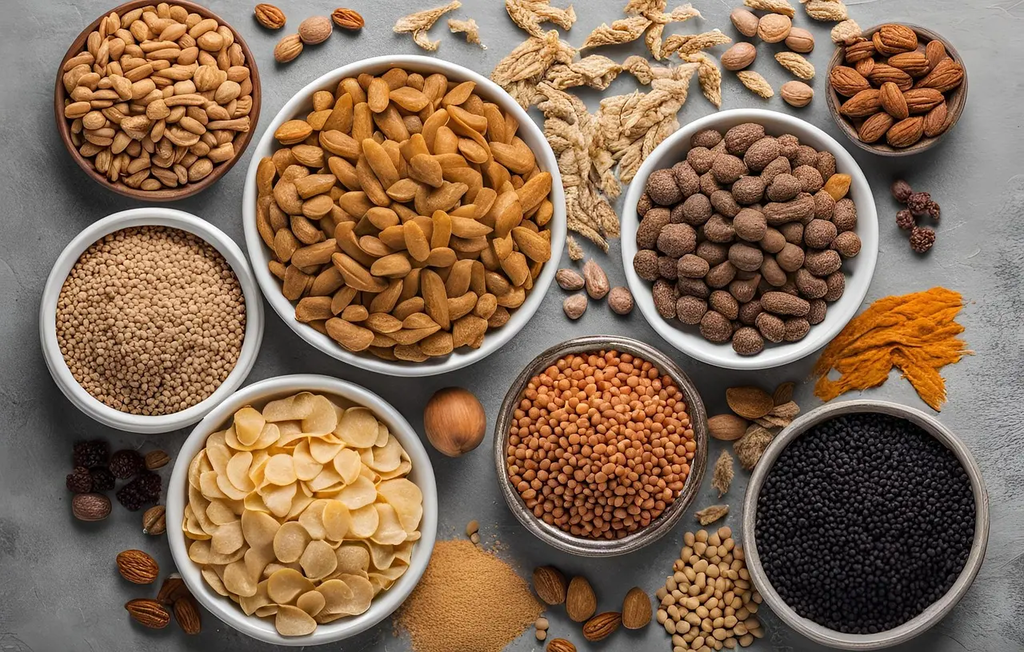
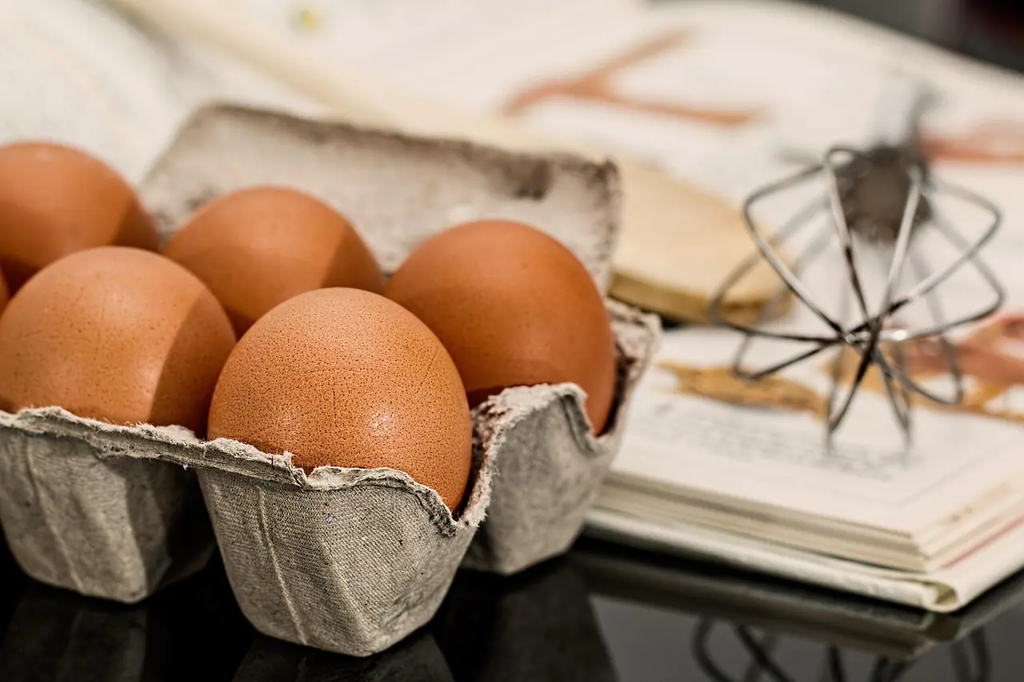
Traditional cooking methods refer to time-honored techniques passed down through generations, such as roasting, fermenting, steaming, and slow-cooking. These methods often use local ingredients and tools, enhancing the natural flavors of food while preserving cultural heritage. When combined with global flavors, traditional cooking methods create unique culinary experiences, showcasing the diversity and richness of world cuisines and highlighting how different cultures approach food preparation and taste.
Traditional Cooking Methods
Traditional cooking methods refer to time-honored techniques passed down through generations, such as roasting, fermenting, steaming, and slow-cooking. These methods often use local ingredients and tools, enhancing the natural flavors of food while preserving cultural heritage. When combined with global flavors, traditional cooking methods create unique culinary experiences, showcasing the diversity and richness of world cuisines and highlighting how different cultures approach food preparation and taste.
💡 Key Takeaways
- Identify core traditional cooking methods (boiling, steaming, roasting, frying, braising, smoking) and where they’re used.
- Explain how heat and moisture influence texture, flavor, and nutrients in classic dishes.
- Compare dry-heat versus moist-heat traditional methods with simple examples.
- Explore how culture and tools (open fire, clay pots, wood smoke) shape techniques and flavors.
❓ Frequently Asked Questions
What are traditional cooking methods?
Traditional cooking methods rely on basic heat sources and time-tested techniques passed down through generations, such as boiling, steaming, roasting, baking, grilling, frying, braising, and smoking.
How does braising work in traditional cooking?
Braising sears the food to brown it, then cooks it slowly in a small amount of liquid, producing tender texture and deep, layered flavors.
What is steaming and why is it used in traditional cooking?
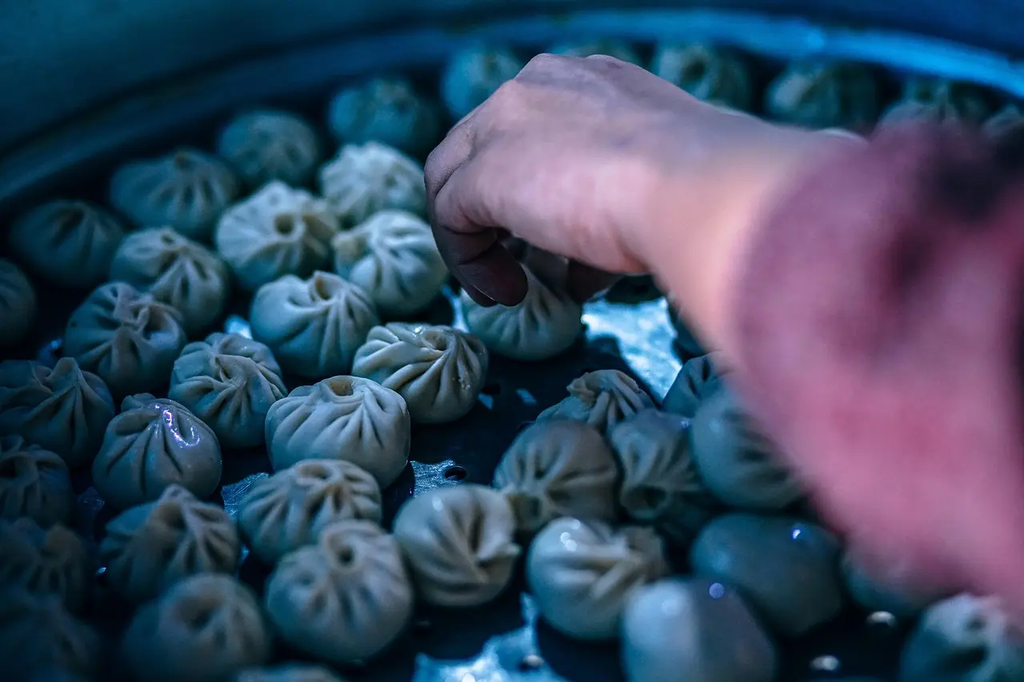
Steaming cooks food with hot vapor from boiling water, preserving nutrients and color while avoiding added fat.
What is the difference between roasting and baking?
Roasting uses dry heat to cook foods like meat and vegetables at higher temperatures; baking uses dry heat to cook doughs and batters (bread, pastries) at moderate temperatures.
What is smoking in traditional cooking?
Smoking exposes foods to wood smoke to add flavor and aid preservation; it can be hot-smoking or cold-smoking, depending on temperature.