Transcontinental Railroad landmarks and tunnels refer to significant sites and engineering achievements along the historic rail route connecting the eastern and western United States. Landmarks include iconic locations like Promontory Summit, where the Union Pacific and Central Pacific railroads met, and notable bridges or depots. Tunnels, such as the Summit Tunnel in the Sierra Nevada, were crucial for traversing challenging terrain, showcasing remarkable feats of 19th-century construction and symbolizing progress and national unity.
Transcontinental Railroad Landmarks and Tunnels
Transcontinental Railroad landmarks and tunnels refer to significant sites and engineering achievements along the historic rail route connecting the eastern and western United States. Landmarks include iconic locations like Promontory Summit, where the Union Pacific and Central Pacific railroads met, and notable bridges or depots. Tunnels, such as the Summit Tunnel in the Sierra Nevada, were crucial for traversing challenging terrain, showcasing remarkable feats of 19th-century construction and symbolizing progress and national unity.
💡 Key Takeaways
- Identify iconic landmarks along the Transcontinental Railroad (e.g., Promontory Summit) and explain their historical significance.
- Explain key engineering feats on the route, including tunnels and viaducts through difficult terrain.
- Explore lesser-known landmarks and hidden gems along the route that illustrate the project's scale.
- Understand the impact of the railroad on U.S. travel, economy, and westward expansion, and the collaboration between Union Pacific and Central Pacific.
❓ Frequently Asked Questions
What is Promontory Summit known for?
It’s the site where the Union Pacific and Central Pacific railroads were joined in 1869, marking the completion of the first transcontinental railroad (the Golden Spike ceremony).
Where is the Golden Spike National Historical Park located?
Near Promontory Summit, Utah, preserving the 1869 ceremony site and replicas of the locomotives that pulled the two railroads together.
Which mountains did the Central Pacific cross with many tunnels to complete the route?
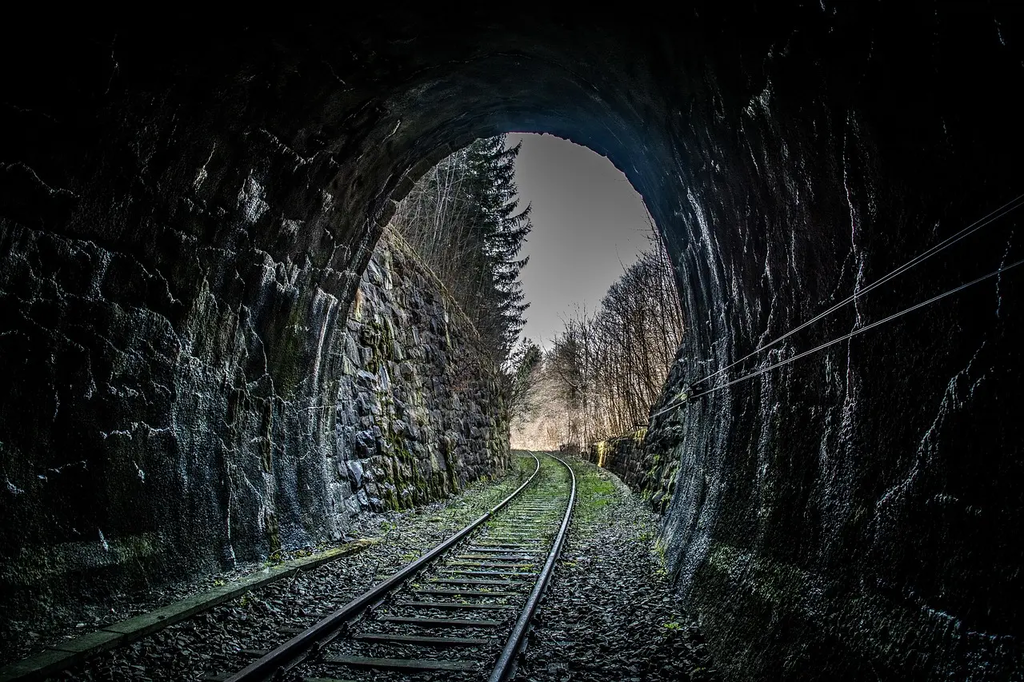
The Sierra Nevada in California; engineers built numerous tunnels and viaducts to connect the coasts.
Name a notable California landmark along the Transcontinental Railroad route.
Donner Pass (Donner Summit) in the Sierra Nevada, a major mountain crossing on the route.