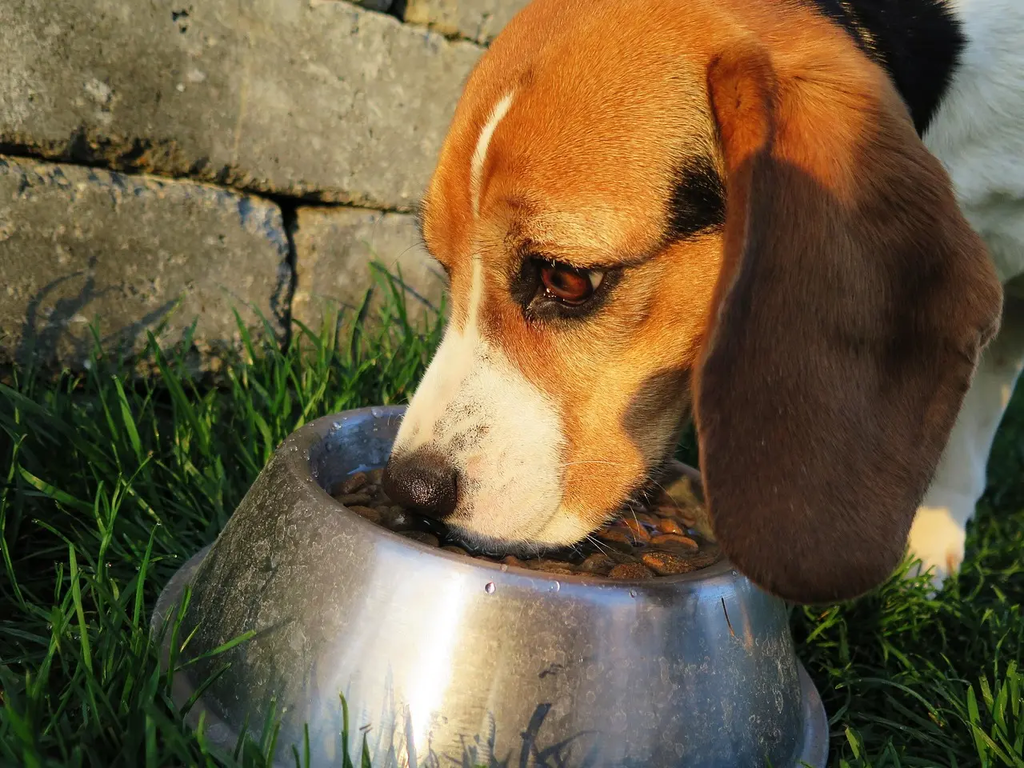
Transitioning dog food safely involves gradually introducing a new diet to your dog over several days to prevent digestive upset. Start by mixing a small amount of the new food with your dog’s current food, slowly increasing the proportion of new food while decreasing the old. Monitor your dog for signs of discomfort or allergies, such as vomiting or diarrhea, and adjust the transition pace if needed to ensure a smooth dietary change.
Transitioning Dog Food Safely+50
Transitioning dog food safely involves gradually introducing a new diet to your dog over several days to prevent digestive upset. Start by mixing a small amount of the new food with your dog’s current food, slowly increasing the proportion of new food while decreasing the old. Monitor your dog for signs of discomfort or allergies, such as vomiting or diarrhea, and adjust the transition pace if needed to ensure a smooth dietary change.
💡 Key Takeaways
- Understand why a gradual, multi-day transition minimizes digestive upset when changing your dog's diet.
- Master the stepwise mixing method: start with a small amount of the new food with the current food and progressively increase the new food over several days.
- Learn to monitor for signs of distress (diarrhea, vomiting, reduced appetite) and know when to pause the transition or seek veterinary advice.
- Tailor the transition to your dog's needs (age, health, sensitivities) and ensure consistency, ample water, and appropriate portions during the process.
❓ Frequently Asked Questions
Why is a slow transition to new dog food important?
A gradual transition helps prevent digestive upset by giving your dog's gut time to adjust to new ingredients and textures.
How should I schedule a gradual transition to a new dog food?
Over 7–10 days, start with mostly the current food and a small amount of the new food, then gradually increase the new food while decreasing the old food each day.
What signs show my dog is tolerating the new food well?
Normal appetite, regular stools, stable energy, and no vomiting or diarrhea indicate good tolerance.
What should I do if my dog develops vomiting or diarrhea during the transition?
Pause or slow the transition, revert to the previous diet, and consult a veterinarian if symptoms persist beyond 24–48 hours or are severe.