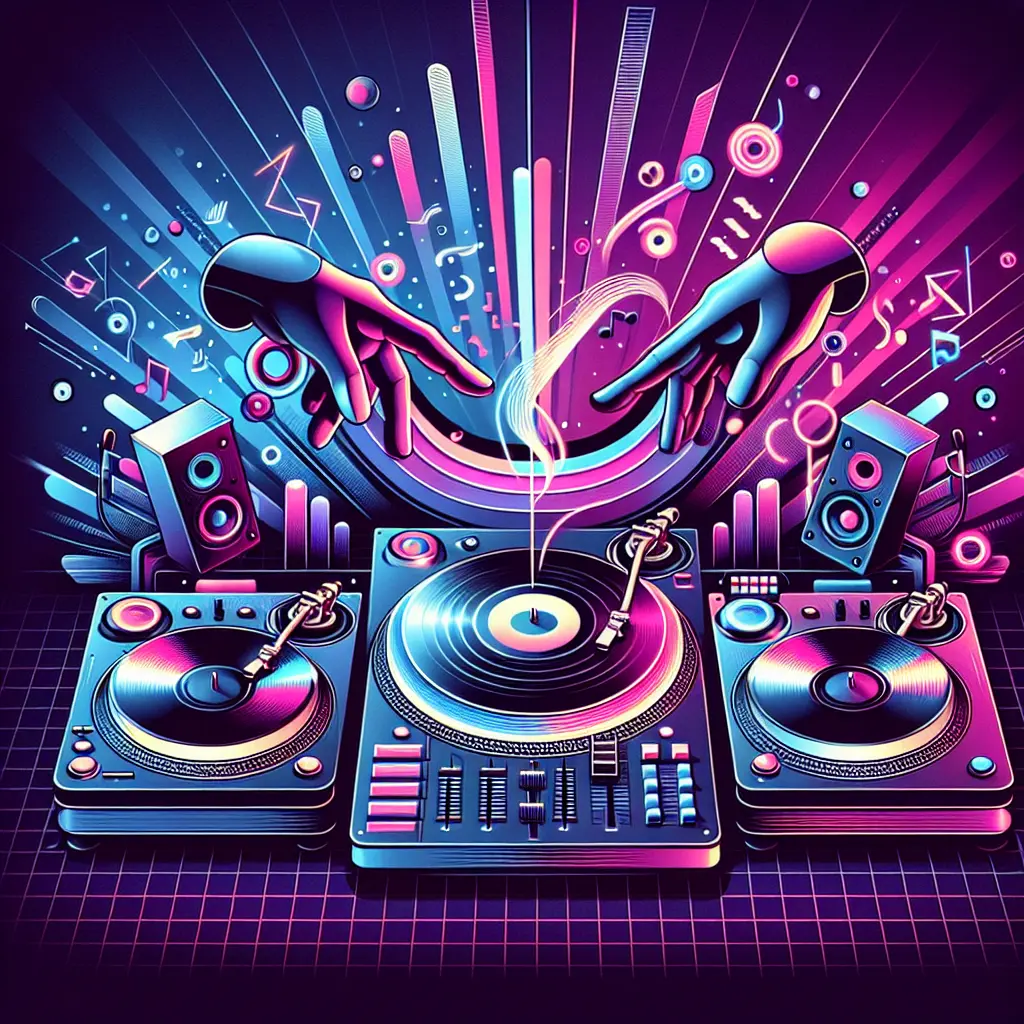
Turntablism and the craft of sampling are foundational elements of hip-hop and electronic music. Turntablism involves manipulating records on turntables to create new sounds, rhythms, and effects, often using techniques like scratching and beat juggling. The craft of sampling involves selecting, cutting, and recontextualizing segments of existing recordings to build new musical compositions. Together, they showcase creativity, technical skill, and innovation, transforming existing music into original artistic expressions.
Turntablism and the Craft of Sampling
Turntablism and the craft of sampling are foundational elements of hip-hop and electronic music. Turntablism involves manipulating records on turntables to create new sounds, rhythms, and effects, often using techniques like scratching and beat juggling. The craft of sampling involves selecting, cutting, and recontextualizing segments of existing recordings to build new musical compositions. Together, they showcase creativity, technical skill, and innovation, transforming existing music into original artistic expressions.
💡 Key Takeaways
- How turntablism uses vinyl manipulation to create new sounds and rhythms.
- Key techniques include scratching, beat juggling, and other effects that shape groove and texture.
- The craft of sampling involves selecting, cutting, looping, and layering existing recordings to build new tracks.
- This practice has driven the evolution of American hip‑hop and electronic music and its cultural impact.
❓ Frequently Asked Questions
What is turntablism?
Turntablism is the art of manipulating records on turntables and a mixer to create new sounds and rhythms, often using techniques like scratching and beat juggling.
What is sampling in music production?
Sampling is taking a portion of an existing recording and reusing it in a new track, usually after editing, looping, or layering with other sounds.
What are common techniques used by turntablists?
Scratching, beat juggling, cueing, and cutting are common techniques DJs use to produce rhythmic textures and transition effects.
How have turntablism and sampling shaped American hip-hop and electronic music?
They provided foundational tools for creating beats and textures, enabling artists to reinterpret existing music and drive the evolution of hip-hop and electronic genres in the U.S.