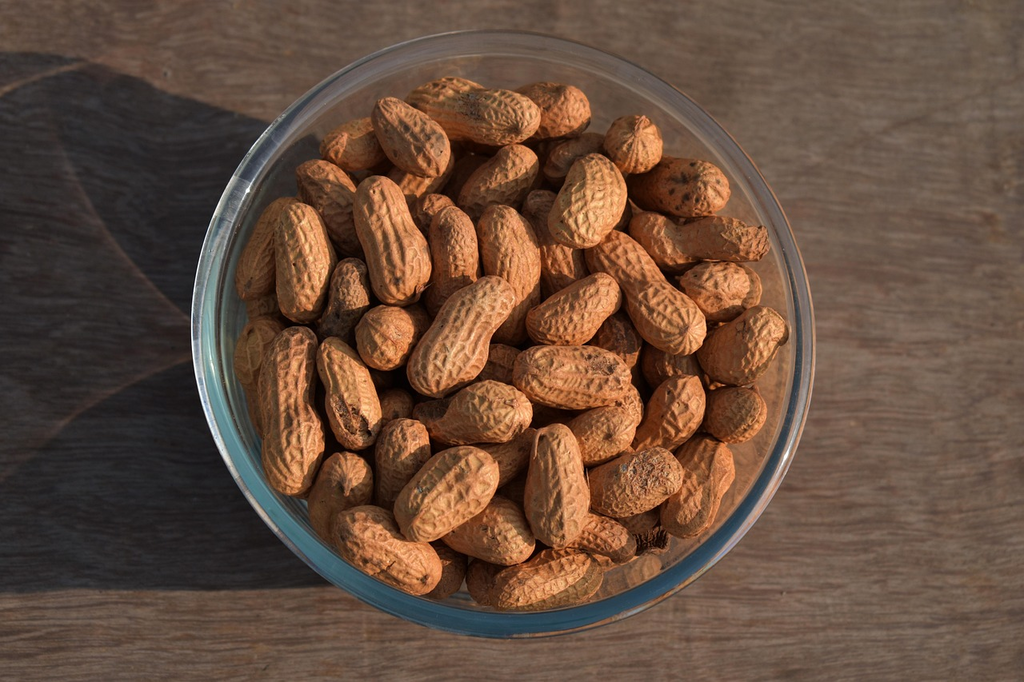
Legumes are a category of plants whose seeds grow in pods, including beans, lentils, peas, and chickpeas. They are staple ingredients in many diets worldwide due to their protein, fiber, and nutrient content. Common types include black beans, kidney beans, lima beans, green peas, edamame, and peanuts, which are technically legumes. Legume-based foods and snacks range from hummus and dal to roasted chickpeas and peanut butter, offering both nutrition and variety.
Types of Legumes
Legumes are a category of plants whose seeds grow in pods, including beans, lentils, peas, and chickpeas. They are staple ingredients in many diets worldwide due to their protein, fiber, and nutrient content. Common types include black beans, kidney beans, lima beans, green peas, edamame, and peanuts, which are technically legumes. Legume-based foods and snacks range from hummus and dal to roasted chickpeas and peanut butter, offering both nutrition and variety.
💡 Key Takeaways
- Identify major types of legumes and common examples of each
- Distinguish between dried (dry) and fresh legumes and how they’re typically used
- Understand key differences in flavor, texture, and cooking times across legume varieties
- Learn how to prepare legumes for better taste and easier digestion
- Explore nutritional benefits legumes provide, such as protein, fiber, and essential minerals
❓ Frequently Asked Questions
What are legumes?
Legumes are plants in the legume family (like beans, lentils, and peas) that typically produce pods containing seeds.
What are the main types of legumes?
Common types include beans, lentils, and peas, which are often grouped by their form (dry or fresh) and use (cooking or sprouting).
Are dry and canned legumes considered the same type?
Yes—dry and canned versions can be the same legume type (e.g., dry chickpeas vs. canned chickpeas); the difference is mostly processing and cooking time.
How do lentils differ from beans?
Lentils are smaller and usually cook faster, while beans are typically larger and may require soaking depending on the variety.
Why are legumes considered a healthy food?
Legumes are high in fiber and plant protein, and they provide important nutrients like folate and minerals.