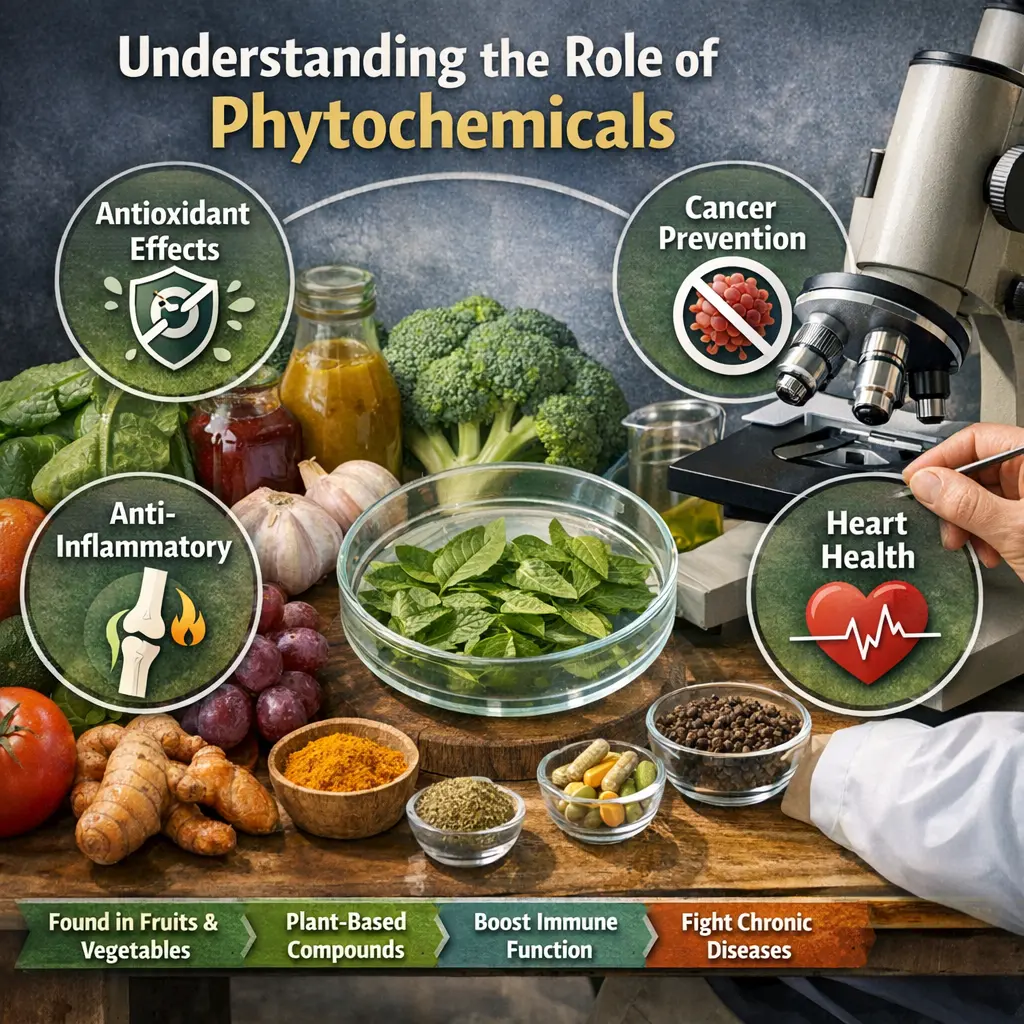
Phytochemicals are naturally occurring compounds found in plants that can offer health benefits when included in a dog’s diet. These compounds, such as flavonoids, carotenoids, and polyphenols, have antioxidant, anti-inflammatory, and immune-boosting properties. By incorporating safe, dog-friendly fruits and vegetables, owners can support their pet’s overall wellness, help prevent certain diseases, and enhance their dog’s vitality, provided these foods are served in moderation and are non-toxic to dogs.
Understanding the Role of Phytochemicals
Phytochemicals are naturally occurring compounds found in plants that can offer health benefits when included in a dog’s diet. These compounds, such as flavonoids, carotenoids, and polyphenols, have antioxidant, anti-inflammatory, and immune-boosting properties. By incorporating safe, dog-friendly fruits and vegetables, owners can support their pet’s overall wellness, help prevent certain diseases, and enhance their dog’s vitality, provided these foods are served in moderation and are non-toxic to dogs.
💡 Key Takeaways
- Define phytochemicals and explain how they differ from essential nutrients.
- Identify major phytochemical families (polyphenols, carotenoids, glucosinolates) and common food sources.
- Describe how phytochemicals may support health (antioxidant, anti-inflammatory, and potential disease-prevention roles) without overpromising.
- Explain how cooking, processing, and bioavailability influence phytochemical content in foods.
- Provide practical tips to maximize phytochemical intake through a varied, colorful diet.
❓ Frequently Asked Questions
What are phytochemicals?
Phytochemicals are plant compounds that are not required nutrients. They give plants color and flavor and often have bioactive effects that may influence human health.
Are phytochemicals the same as vitamins and minerals?
No. Vitamins and minerals are essential nutrients. Phytochemicals are non-nutrient plant compounds that may affect health but are not required for life.
What are common categories of phytochemicals and where are they found?
Key groups include polyphenols (berries, tea), carotenoids (carrots, tomatoes), glucosinolates (broccoli, cabbage), and phytoestrogens (soy, flax). A varied plant-based diet provides diverse examples.
Do phytochemicals cure diseases?
They may support health and are linked to reduced disease risk in some studies, mainly through antioxidant or anti-inflammatory effects, but they do not cure diseases and should complement—not replace—medical care.