Understanding the role of postbiotics in a dog’s diet involves recognizing how these bioactive compounds, produced during the fermentation of dietary fibers by beneficial gut bacteria, can support canine health. Postbiotics help strengthen the immune system, enhance gut health, and reduce inflammation. Incorporating postbiotics into a dog’s nutrition may improve digestion, support healthy skin and coat, and promote overall well-being, making them a valuable addition to balanced canine diets.
Understanding the Role of Postbiotics
Understanding the role of postbiotics in a dog’s diet involves recognizing how these bioactive compounds, produced during the fermentation of dietary fibers by beneficial gut bacteria, can support canine health. Postbiotics help strengthen the immune system, enhance gut health, and reduce inflammation. Incorporating postbiotics into a dog’s nutrition may improve digestion, support healthy skin and coat, and promote overall well-being, making them a valuable addition to balanced canine diets.
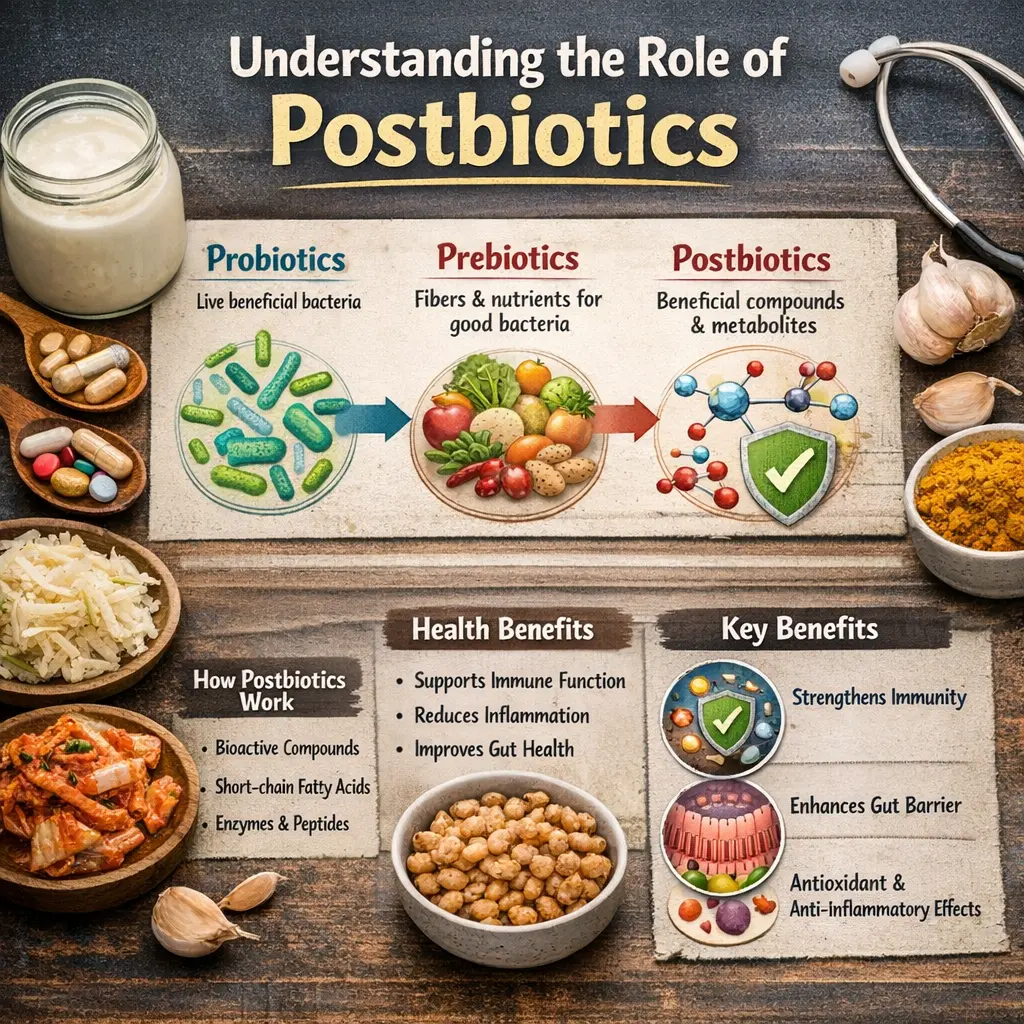
💡 Key Takeaways
- Define postbiotics and explain how they differ from probiotics (live microbes) and prebiotics (nutrients for microbes).
- Identify the main forms of postbiotics, including inactivated microbes, microbial components, and microbial metabolites.
- Understand how postbiotics can support gut health, such as by modulating the immune system and strengthening the gut barrier.
- Recognize common uses of postbiotics in foods and supplements and note that scientific evidence varies by product and strain.
❓ Frequently Asked Questions
What are postbiotics?
Postbiotics are non-viable microbial products or metabolic byproducts produced by beneficial bacteria, including inactivated cells, cell components, and metabolites that can provide health benefits.
How do postbiotics differ from probiotics and prebiotics?
Probiotics are live beneficial bacteria, prebiotics are substances that feed those bacteria, and postbiotics are the non-living products or metabolites produced by the microbes.
What health benefits are associated with postbiotics?
They may support gut barrier function, modulate immune responses, and reduce inflammation. Evidence varies by product and condition, and more research is ongoing.
Are postbiotics safe for everyone?
They are generally considered safe for many people and can be suitable for those who cannot or prefer not to take live bacteria. Follow product guidelines and consult a clinician if you have a compromised immune system or pregnancy.
How are postbiotics delivered in foods or supplements?
Postbiotics are used in dietary supplements and fortified foods. Many are heat-stable and don’t require living cultures, but always check labels and dosing recommendations.