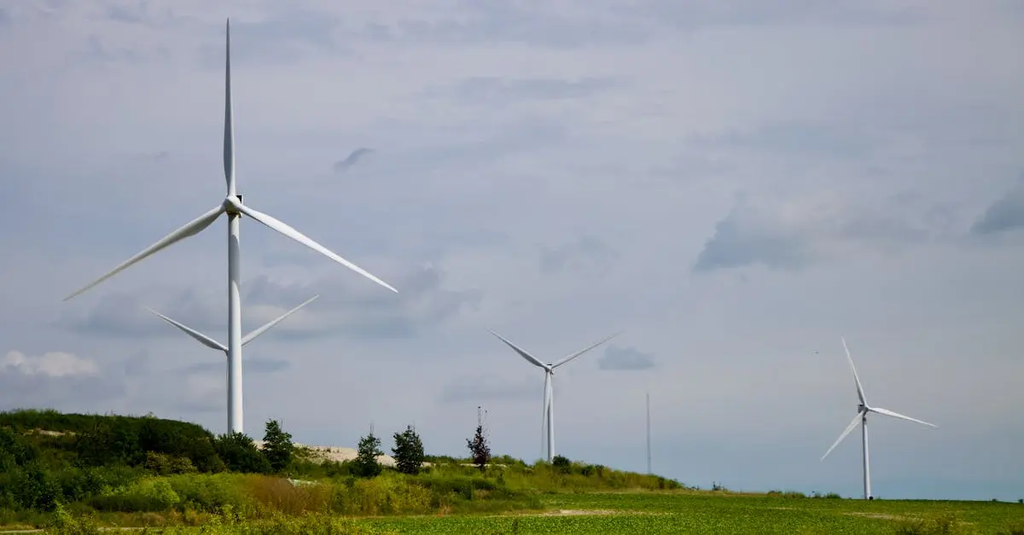
Urban resilience refers to a city’s ability to withstand, adapt to, and recover from challenges such as natural disasters, climate change, and social or economic stresses. Climate-smart cities integrate sustainable practices, innovative technologies, and policies to reduce greenhouse gas emissions and enhance environmental quality. Together, urban resilience and climate-smart strategies ensure cities remain livable, sustainable, and prepared for future uncertainties, while supporting the well-being of their growing populations.
Urban Resilience and Climate-Smart Cities
Urban resilience refers to a city’s ability to withstand, adapt to, and recover from challenges such as natural disasters, climate change, and social or economic stresses. Climate-smart cities integrate sustainable practices, innovative technologies, and policies to reduce greenhouse gas emissions and enhance environmental quality. Together, urban resilience and climate-smart strategies ensure cities remain livable, sustainable, and prepared for future uncertainties, while supporting the well-being of their growing populations.
💡 Key Takeaways
- Define urban resilience and climate-smart city concepts.
- Identify practical resilience strategies for infrastructure, housing, and essential services.
- Describe climate-smart solutions that cut emissions (buildings, energy, mobility, green infrastructure).
- Explain governance, policy, and metrics used to plan, fund, and monitor progress toward resilient, low-carbon cities.
❓ Frequently Asked Questions
What is urban resilience?
Urban resilience is a city's ability to anticipate, withstand, adapt to, and recover quickly from shocks such as disasters, climate impacts, or economic stress.
What is a climate-smart city?
A climate-smart city uses sustainable practices, innovative technologies, and policies to reduce greenhouse gas emissions, save energy, and adapt to climate risks.
How can cities reduce greenhouse gas emissions?
By boosting energy efficiency, expanding renewable energy, electrifying transport, upgrading buildings, improving waste management, and promoting low-carbon mobility.
What are common resilience strategies?
Green infrastructure, resilient buildings, flood protection, water management, early warning systems, and inclusive planning that supports vulnerable communities.
How do climate-smart and resilience goals complement each other?
Climate-smart actions lower emissions and build adaptive capacity, helping cities become cleaner, healthier, and better prepared for climate shocks.