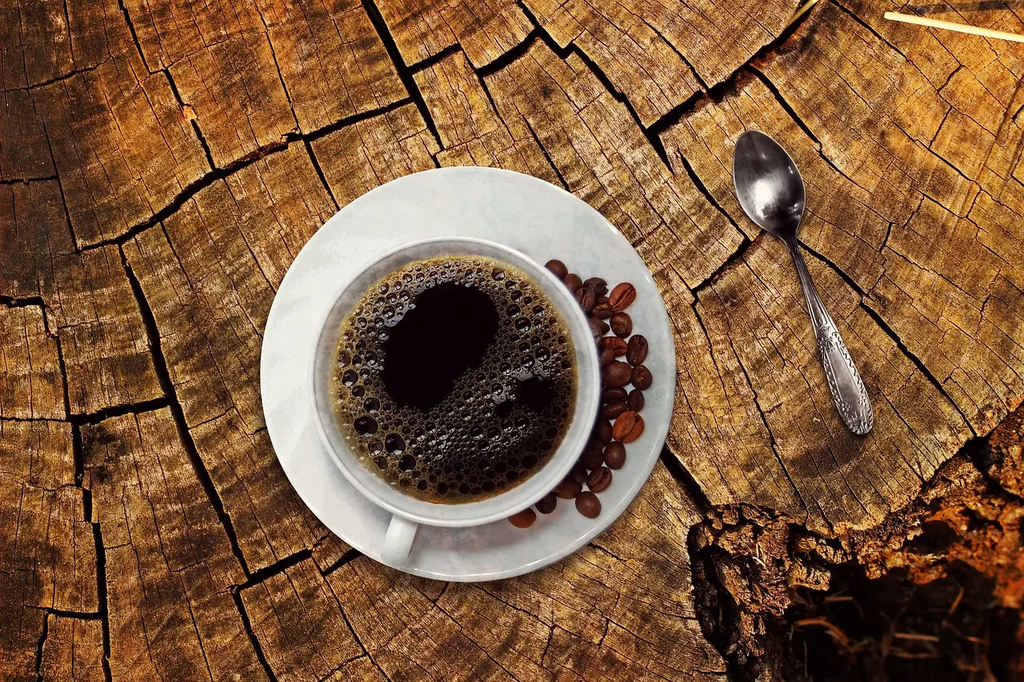
Caffeine is a natural stimulant most commonly found in coffee, tea, and various energy drinks. It works by stimulating the central nervous system, helping people feel more alert and awake. Coffee, as a primary source of caffeine, has become deeply embedded in global cultures, shaping social rituals, daily routines, and even entire industries. The culture around caffeine emphasizes both its energizing effects and the communal experience of sharing caffeinated beverages.
What is Caffeine?+50
Caffeine is a natural stimulant most commonly found in coffee, tea, and various energy drinks. It works by stimulating the central nervous system, helping people feel more alert and awake. Coffee, as a primary source of caffeine, has become deeply embedded in global cultures, shaping social rituals, daily routines, and even entire industries. The culture around caffeine emphasizes both its energizing effects and the communal experience of sharing caffeinated beverages.

💡 Key Takeaways
- Understand what caffeine is and how it works as a stimulant in the body
- Identify common sources of caffeine in foods and drinks
- Learn the typical effects, variability, and timing of caffeine on alertness and energy
- Explore safe caffeine limits, potential side effects, and who should limit intake
❓ Frequently Asked Questions
What is caffeine?
Caffeine is a natural stimulant found in coffee beans, tea leaves, cocoa, and other plants. It belongs to the xanthine family and acts on the brain to increase alertness.
Where is caffeine commonly found?
Common sources include coffee, tea, chocolate, energy drinks, sodas, and some medications and supplements.
How does caffeine affect the body?
Caffeine blocks adenosine receptors, reducing tiredness, and boosts activity of certain brain chemicals, which can improve focus and mood. Effects depend on dose and tolerance.
Is caffeine addictive?
Caffeine can lead to dependence and withdrawal (e.g., headaches, fatigue) if regularly used and then stopped, but it is generally a mild, manageable stimulant.