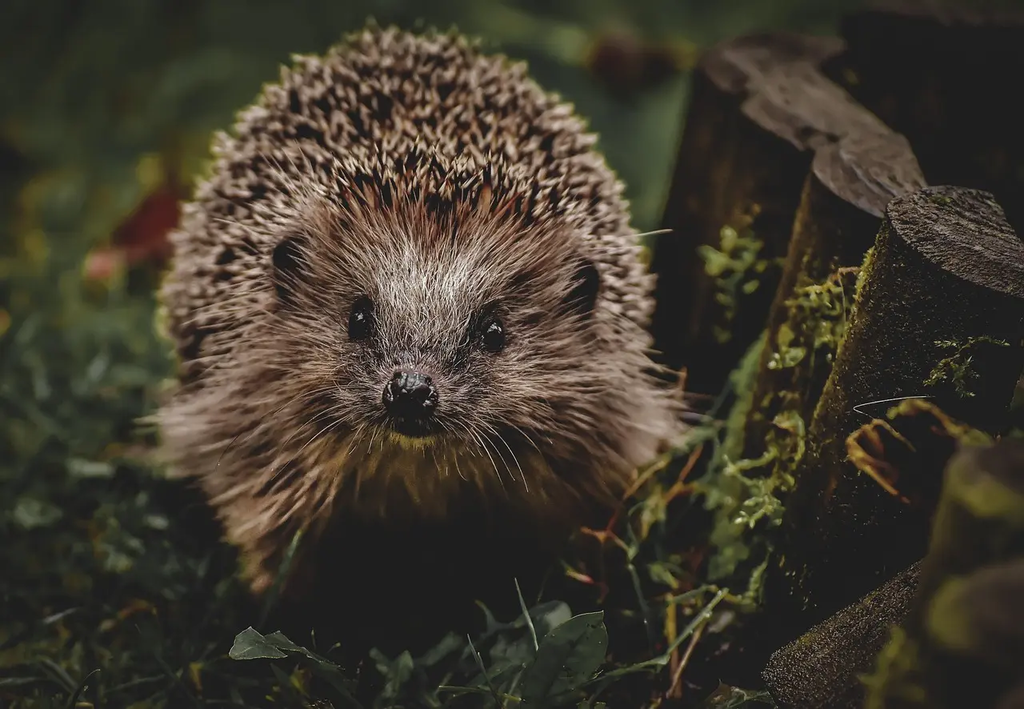
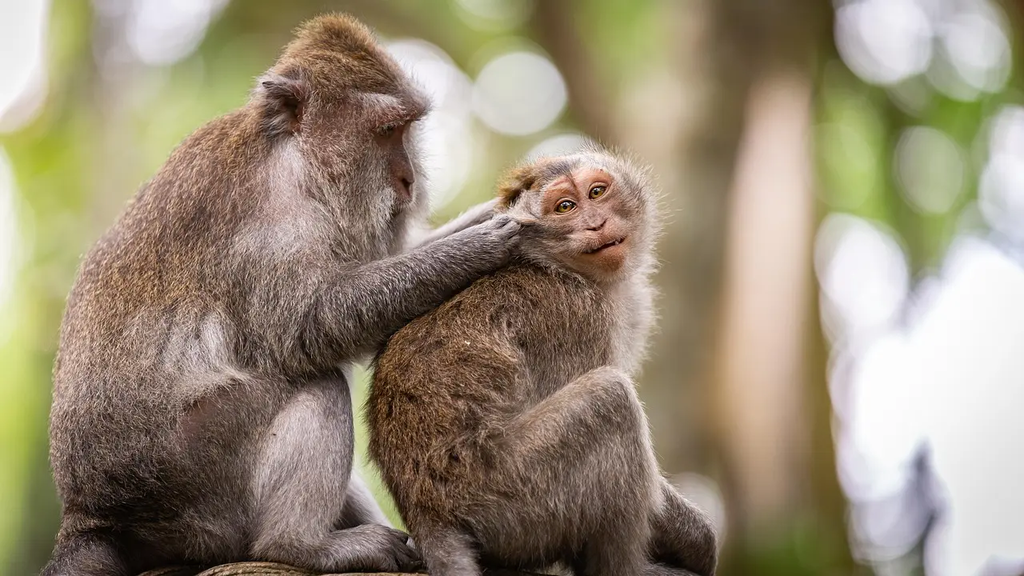
Wild animals are creatures that live and thrive in natural habitats without direct human control or domestication. They form a vital part of the animal kingdom, showcasing incredible diversity in species, behaviors, and adaptations. From the fierce predators of the savanna to the elusive dwellers of dense forests, wild animals play key roles in maintaining ecological balance, supporting food chains, and contributing to the planet’s biodiversity.
Wild Animals+50
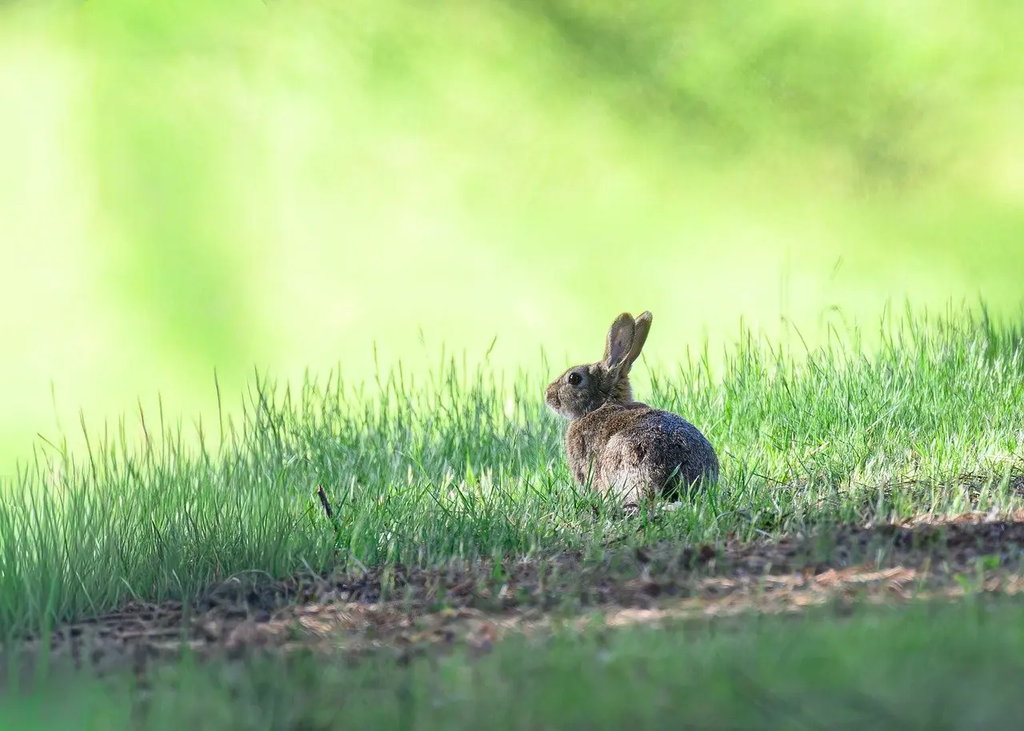
Wild animals are creatures that live and thrive in natural habitats without direct human control or domestication. They form a vital part of the animal kingdom, showcasing incredible diversity in species, behaviors, and adaptations. From the fierce predators of the savanna to the elusive dwellers of dense forests, wild animals play key roles in maintaining ecological balance, supporting food chains, and contributing to the planet’s biodiversity.
💡 Key Takeaways
- Identify common wild animals and how they differ from domestic ones.
- Understand basic wildlife habitats, diets, and adaptations.
- Learn essential safety tips for observing wildlife and staying safe.
- Explore why wild animals matter to ecosystems and how to help conserve them.
❓ Frequently Asked Questions
What is a wild animal?
An animal that lives in natural habitats without being domesticated or kept as a pet.
How can you tell a wild animal from a domestic one?
Wild animals live independently in nature; domestic animals rely on humans for food, care, and shelter.
Where do wild animals typically live?
In natural habitats such as forests, grasslands, deserts, oceans, and mountains.
How should you observe wild animals safely during learning activities?
Stay at a safe distance, avoid feeding or touching, move quietly, and follow local guidelines.
What signs can indicate which wildlife is nearby?
Tracks, droppings, fur or feathers, sounds, and habitat clues can point to which animals are present.