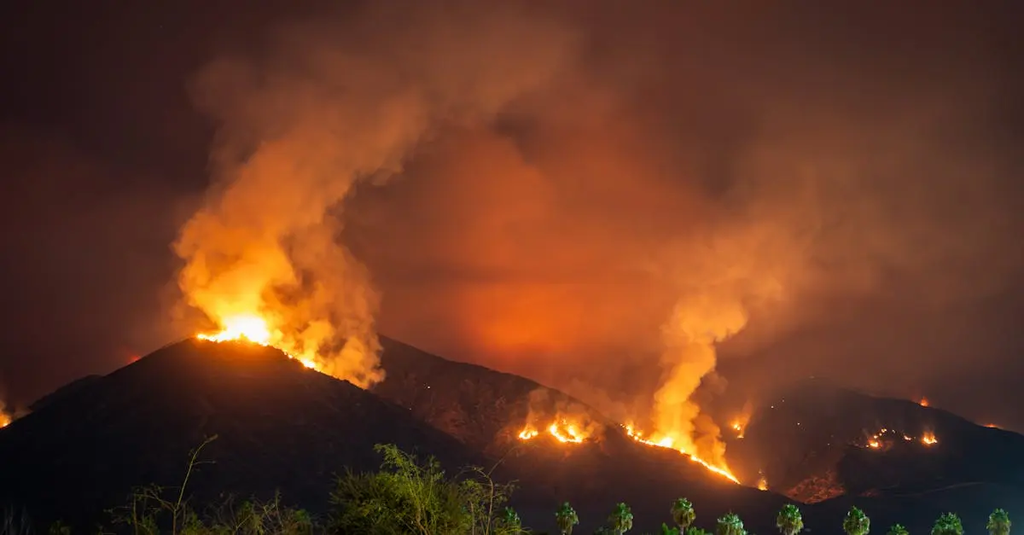
Wildland-urban interface (WUI) growth refers to the increasing expansion of human development into areas adjacent to wildlands, such as forests or grasslands. This expansion raises fire risk because more homes and infrastructure are exposed to potential wildfires. As communities encroach on natural landscapes, the likelihood of ignition increases, and firefighting becomes more complex, posing greater threats to lives, property, and ecosystems in these vulnerable zones.
Wildland-Urban Interface Growth and Fire Risk
Wildland-urban interface (WUI) growth refers to the increasing expansion of human development into areas adjacent to wildlands, such as forests or grasslands. This expansion raises fire risk because more homes and infrastructure are exposed to potential wildfires. As communities encroach on natural landscapes, the likelihood of ignition increases, and firefighting becomes more complex, posing greater threats to lives, property, and ecosystems in these vulnerable zones.
💡 Key Takeaways
- Define the wildland-urban interface (WUI) and explain why its growth increases fire risk to homes and infrastructure.
- Identify the main factors that heighten WUI fire risk, including vegetation, weather, land use, and building materials.
- Describe practical risk-reduction strategies for WUI communities, such as defensible space, fire-resistant construction, and evacuation planning.
- Explain how land-use planning and policy influence WUI expansion and wildfire resilience.
- Differentiate between ignition sources and fire spread in WUI areas and how prevention and suppression strategies target each.
❓ Frequently Asked Questions
What is the wildland-urban interface (WUI)?
The WUI is the zone where human development meets wildland vegetation, such as forests or grasslands, creating overlap between homes and natural fire fuels.
Why does WUI growth increase wildfire risk?
More homes and infrastructure in wildland areas raise exposure to fires, enable ember spread, and add fuel that can help fires move toward structures.
What factors drive wildland-urban interface expansion?
Population growth, housing demand, and development pressure near forests or grasslands push more development into wildland areas.
How can communities reduce fire risk in the WUI?
Create defensible space around properties, use fire-resistant building materials, manage vegetation, enforce protective building codes, and establish clear evacuation plans.