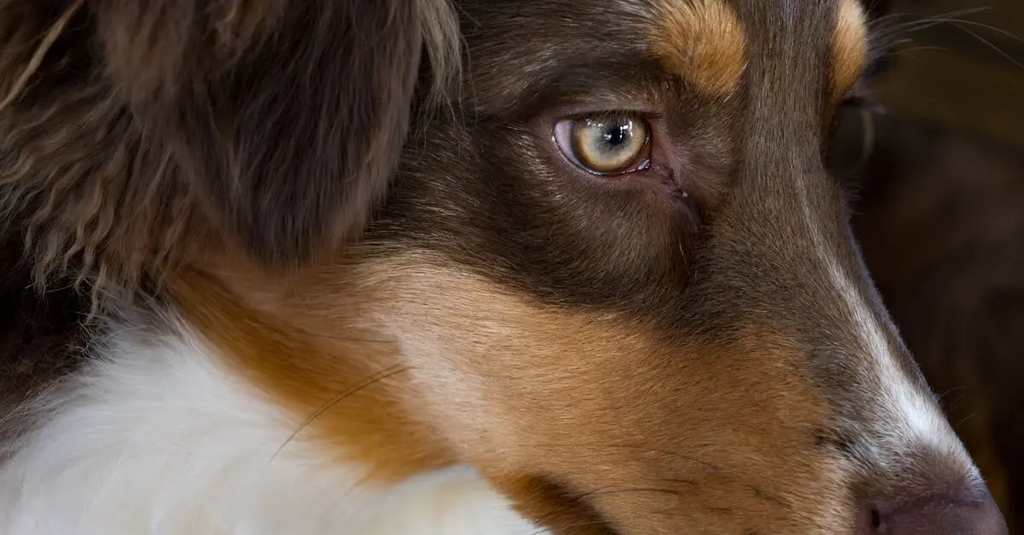
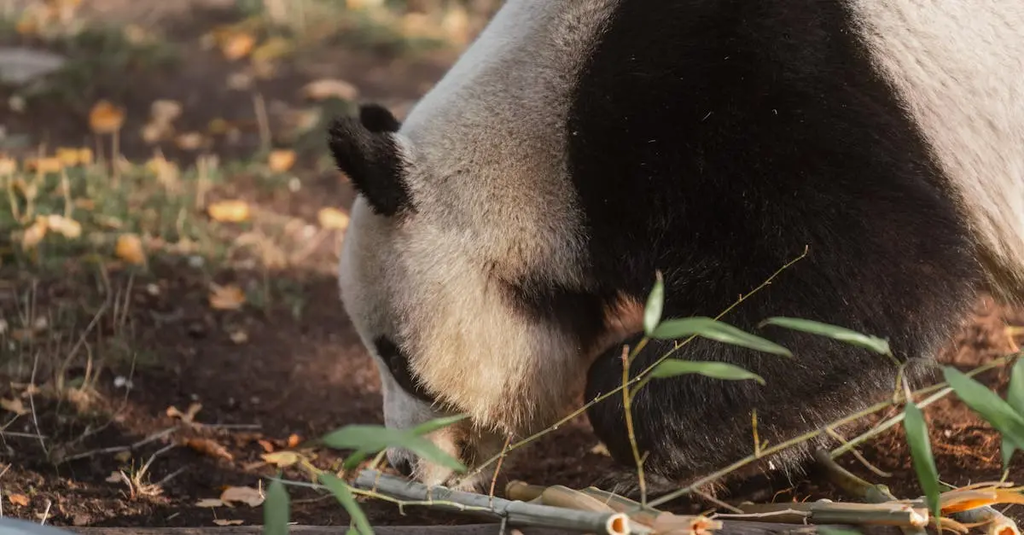
Wildlife Identification & Tracking refers to the methods and processes used to recognize and monitor various animal species in their natural habitats. This involves observing physical characteristics, using tracking devices, analyzing footprints, and employing technologies like camera traps or GPS collars. The goal is to gather information about animal populations, behavior, and movement patterns, which supports conservation efforts, ecological research, and the protection of endangered species.
Wildlife Identification & Tracking
Wildlife Identification & Tracking refers to the methods and processes used to recognize and monitor various animal species in their natural habitats. This involves observing physical characteristics, using tracking devices, analyzing footprints, and employing technologies like camera traps or GPS collars. The goal is to gather information about animal populations, behavior, and movement patterns, which supports conservation efforts, ecological research, and the protection of endangered species.
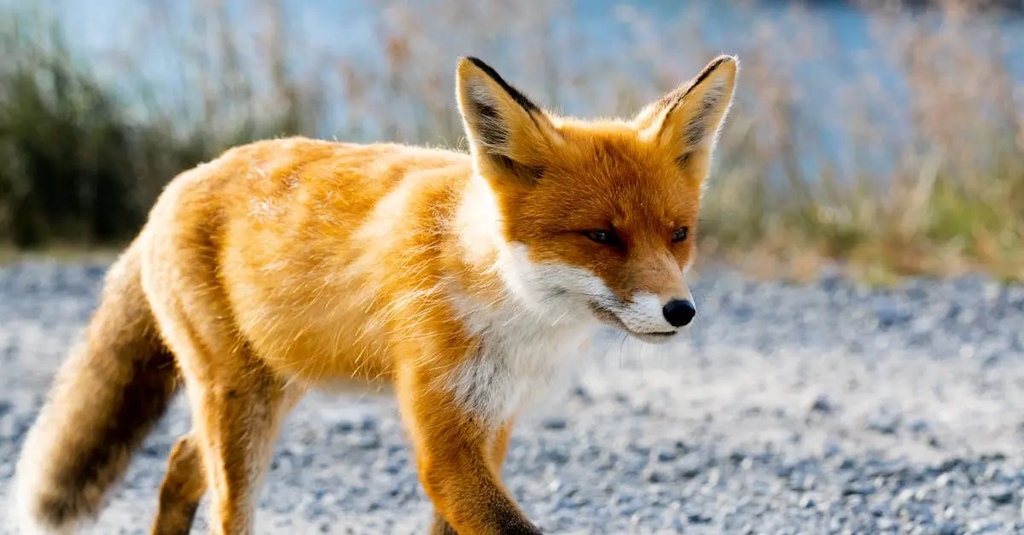
💡 Key Takeaways
- Identify animal species in the wild by using physical traits, footprints, and behavioral cues.
- Describe common tracking tools (GPS collars, camera traps, footprint analysis) and what they reveal.
- Apply ethical field practices to observe and monitor wildlife with minimal disturbance.
- Interpret tracking data to understand movement patterns, habitat use, and seasonal behavior.
❓ Frequently Asked Questions
What is wildlife identification?
Wildlife identification is recognizing animal species based on appearance, behavior, and context to determine which species are present in an area.
What methods are used to identify and monitor wildlife?
Common methods include observing physical traits, analyzing tracks, using camera traps, and deploying tracking devices such as GPS collars or radio transmitters.
How do camera traps aid in wildlife tracking?
Camera traps are motion- or heat-triggered cameras that capture photos or videos of animals, helping species ID and behavior study without disturbing them.
How can footprints help identify species?
Footprints reveal size, shape, toe/claw patterns, and gait, providing clues to distinguish species and infer activity.