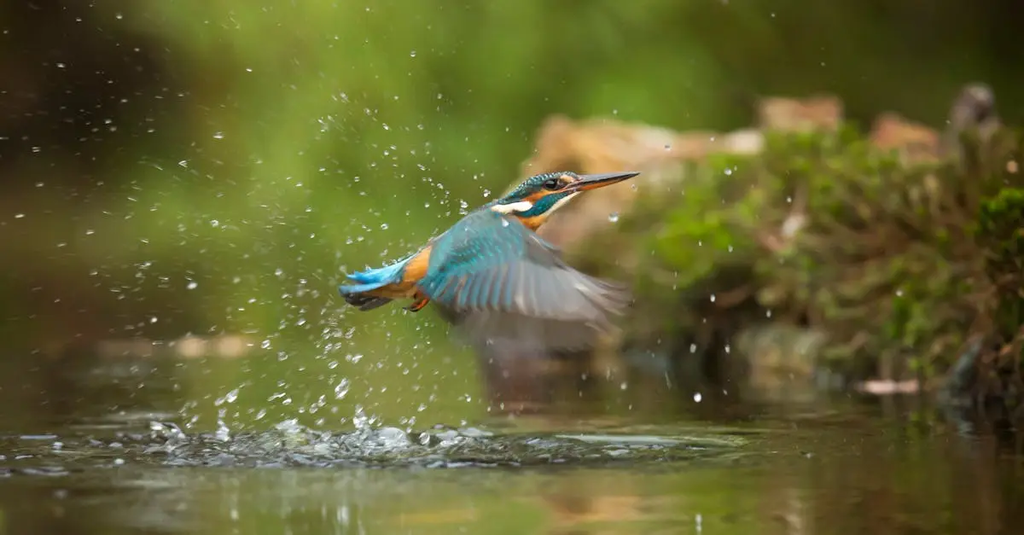
Wildlife refers to all living organisms, including animals, birds, insects, and plants, that exist naturally in their environments without direct human intervention. It encompasses a diverse range of species found in forests, oceans, deserts, and other ecosystems. Wildlife plays a vital role in maintaining ecological balance, supporting food chains, and contributing to the health and sustainability of the planet. Protecting wildlife is essential for biodiversity and environmental stability.
Wildlife+50
Wildlife refers to all living organisms, including animals, birds, insects, and plants, that exist naturally in their environments without direct human intervention. It encompasses a diverse range of species found in forests, oceans, deserts, and other ecosystems. Wildlife plays a vital role in maintaining ecological balance, supporting food chains, and contributing to the health and sustainability of the planet. Protecting wildlife is essential for biodiversity and environmental stability.
💡 Key Takeaways
- Define wildlife and identify examples across ecosystems such as forests, oceans, deserts, and wetlands.
- Explain wildlife's role in ecosystem health, biodiversity, food webs, and pollination.
- Identify major threats to wildlife including habitat loss, pollution, climate change, and overexploitation.
- Describe ways humans can protect wildlife and promote coexistence through conservation, sustainable practices, and protected areas.
❓ Frequently Asked Questions
What is wildlife?
Wildlife refers to living organisms that exist in natural habitats without direct human intervention, including animals, birds, insects, and plants.
What kinds of habitats contain wildlife?
Wildlife can be found in forests, oceans, deserts, wetlands, and mountains where ecosystems provide food, shelter, and living conditions.
Why is wildlife important to ecosystems?
Wildlife sustains ecological balance through roles like pollination, pest control, seed dispersal, and nutrient cycling, supporting biodiversity and ecosystem services.
What are common threats to wildlife?
Habitat loss, pollution, climate change, overhunting or overfishing, and invasive species threaten wildlife survival.
How can people help protect wildlife?
Protect habitats, support conservation efforts, reduce pollution, avoid disturbing wild animals, and follow laws and ethical guidelines.