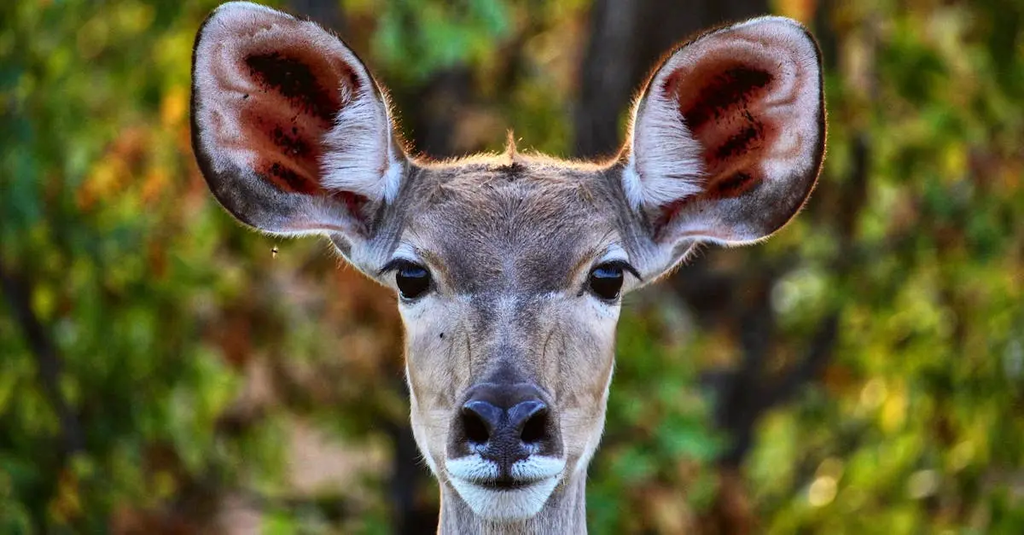
Wildlife photography basics involve understanding animal behavior, using appropriate camera settings, and practicing patience to capture natural moments. Key elements include using a telephoto lens for distant subjects, maintaining a safe distance, and employing fast shutter speeds to freeze motion. Good lighting, composition, and knowledge of habitats enhance image quality. Respect for wildlife and ethical practices are essential, ensuring minimal disturbance while documenting animals in their natural environments.
Wildlife Photography Basics
Wildlife photography basics involve understanding animal behavior, using appropriate camera settings, and practicing patience to capture natural moments. Key elements include using a telephoto lens for distant subjects, maintaining a safe distance, and employing fast shutter speeds to freeze motion. Good lighting, composition, and knowledge of habitats enhance image quality. Respect for wildlife and ethical practices are essential, ensuring minimal disturbance while documenting animals in their natural environments.
💡 Key Takeaways
- Learn to read animal behavior to anticipate moments and capture natural wildlife actions.
- Use a telephoto lens and keep a safe distance to frame distant subjects without disturbing them.
- Set fast shutter speeds and appropriate ISO with continuous autofocus to freeze motion in challenging light.
- Practice patience and observe habitats and light to improve timing and composition.
❓ Frequently Asked Questions
What is wildlife photography?
The art of capturing candid images of animals in their natural environment, focusing on behavior and moments as they happen.
Why is a telephoto lens useful for wildlife photography?
A telephoto lens lets you photograph distant subjects without getting close, reducing disturbance and allowing natural behavior to unfold.
How does understanding animal behavior improve your wildlife photos?
It helps you predict actions, choose the right moment to shoot, and wait for natural poses rather than chasing the animal.
What camera settings help freeze motion in wildlife photography?
Use a fast shutter speed (often 1/1000s or faster), enable continuous autofocus, and shoot in burst mode; adjust ISO as needed for exposure.
What is a key safety practice when photographing wildlife?
Maintain a safe distance, stay quiet, avoid disturbing or feeding animals, and respect their space.