World War I, also known as the Great War, was a global conflict that lasted from 1914 to 1918. It involved many of the world’s major powers, divided into the Allied and Central Powers. Triggered by the assassination of Archduke Franz Ferdinand, the war saw unprecedented trench warfare, massive casualties, and technological advancements in weaponry. The conflict reshaped political boundaries and societies, ultimately setting the stage for significant changes in the 20th century, including World War II.
World War I
World War I, also known as the Great War, was a global conflict that lasted from 1914 to 1918. It involved many of the world’s major powers, divided into the Allied and Central Powers. Triggered by the assassination of Archduke Franz Ferdinand, the war saw unprecedented trench warfare, massive casualties, and technological advancements in weaponry. The conflict reshaped political boundaries and societies, ultimately setting the stage for significant changes in the 20th century, including World War II.
💡 Key Takeaways
- Identify the main causes of World War I and how Britain joined the conflict (Archduke Franz Ferdinand’s assassination and the alliance system).
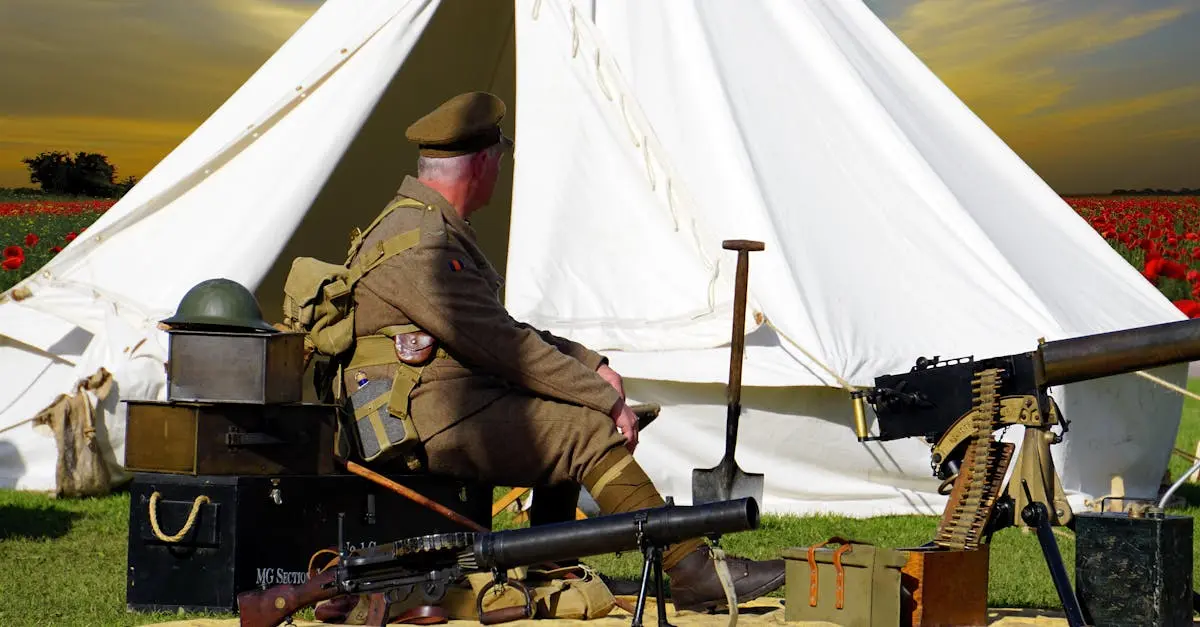
- Explain trench warfare on the Western Front and its impact on tactics, daily life, and casualties.
- Name the major Allied and Central Powers and Britain's role within the Allied Powers.
- Describe WWI’s impact on Britain at home and in society (economy, war work, and postwar changes).
❓ Frequently Asked Questions
What is World War I and when did it happen?
World War I, also known as the Great War, was a global conflict that lasted from 1914 to 1918.
What triggered the war?
The assassination of Archduke Franz Ferdinand of Austria-Hungary in Sarajevo in 1914 set off a chain of alliances and declarations of war.
Who were the main sides in the war?
The Allies, including Britain, France, Russia, and later the United States, fought against the Central Powers led by Germany and Austria-Hungary.
What is trench warfare?
A form of combat on the Western Front featuring long trenches, barbed wire, and heavy artillery that led to brutal, stalemated fighting.
What was Britain's role in World War I?
Britain entered in 1914 to defend Belgium and uphold European balance of power, contributed troops and naval power, fought on the Western Front, and imposed a naval blockade affecting the Central Powers.