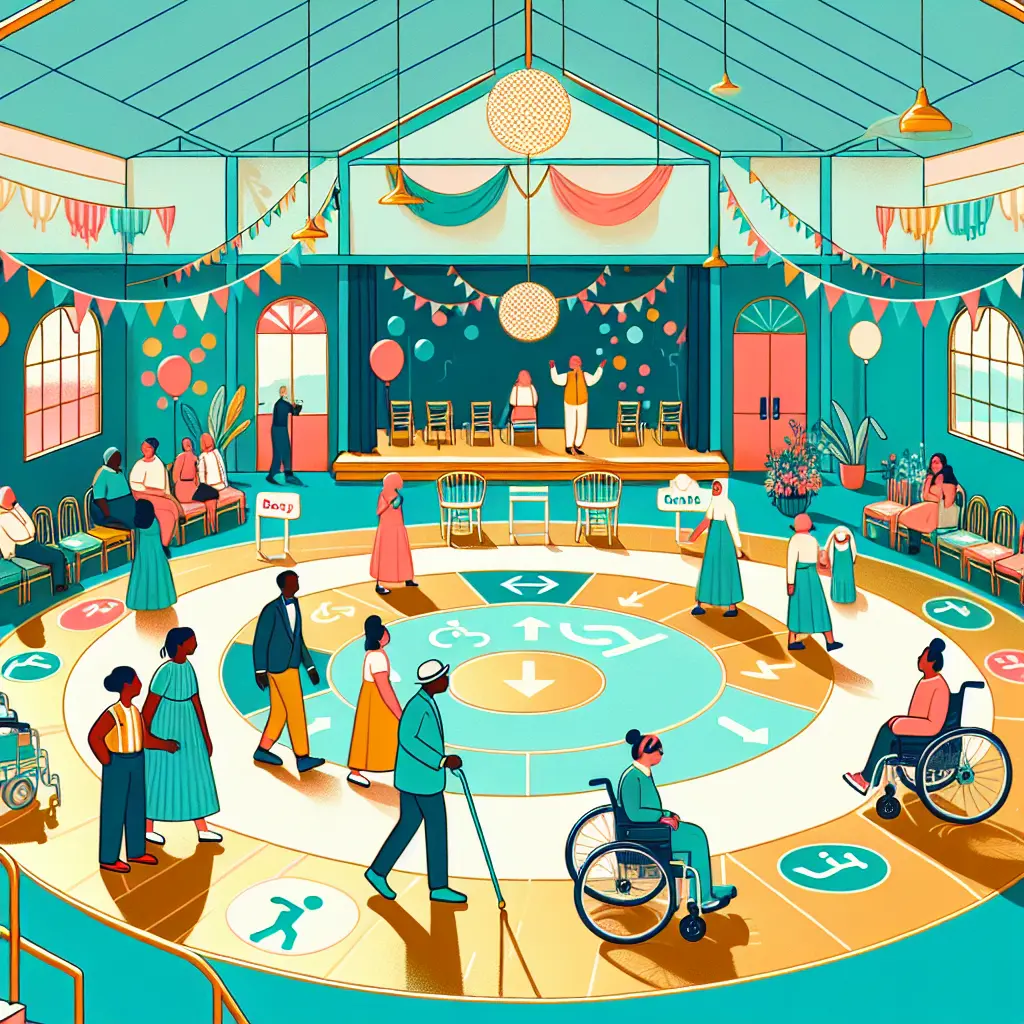
Accessibility in party and ceremony design refers to creating inclusive events where everyone, regardless of physical, sensory, or cognitive abilities, can fully participate and enjoy. This involves considering venue layout, providing ramps or elevators, ensuring clear signage, offering assistive technologies, and accommodating dietary or sensory needs. Thoughtful planning ensures that decorations, activities, and communication methods are accessible, fostering a welcoming atmosphere for all guests and promoting equal participation.
Accessibility in Party and Ceremony Design
Accessibility in party and ceremony design refers to creating inclusive events where everyone, regardless of physical, sensory, or cognitive abilities, can fully participate and enjoy. This involves considering venue layout, providing ramps or elevators, ensuring clear signage, offering assistive technologies, and accommodating dietary or sensory needs. Thoughtful planning ensures that decorations, activities, and communication methods are accessible, fostering a welcoming atmosphere for all guests and promoting equal participation.
💡 Key Takeaways
- Plan venue layout to ensure accessible routes, ramps or elevators, and clear sightlines for all attendees.
- Choose signage with high contrast, large readable text, simple language, and multilingual options to aid navigation.
- Incorporate accommodations for sensory and cognitive needs, such as quiet spaces, predictable schedules, and accessible materials.
- Provide accessible equipment and services (assistive listening devices, captioning, accessible restrooms, and parking) and train staff to support inclusive participation.
❓ Frequently Asked Questions
What does accessibility in party and ceremony design mean?
Designing events so people with physical, sensory, or cognitive differences can participate fully through thoughtful layout, accommodations, and inclusive planning.
What are essential accessibility features to consider when choosing a venue?
Accessible routes (ramps/elevators), wide aisles, accessible restrooms, seating for wheelchair users, clear signage, good lighting, and assistive listening or captioning options.
How can signage and information be made accessible?
Use high-contrast, large-font signs, simple language, clear icons, and offer alternative formats (captions, audio). Have staff available to assist if needed.
What should staff know to run an accessible event?
Disability etiquette, how to implement accommodations, how to operate accessibility features, and how to assist guests respectfully and discreetly.