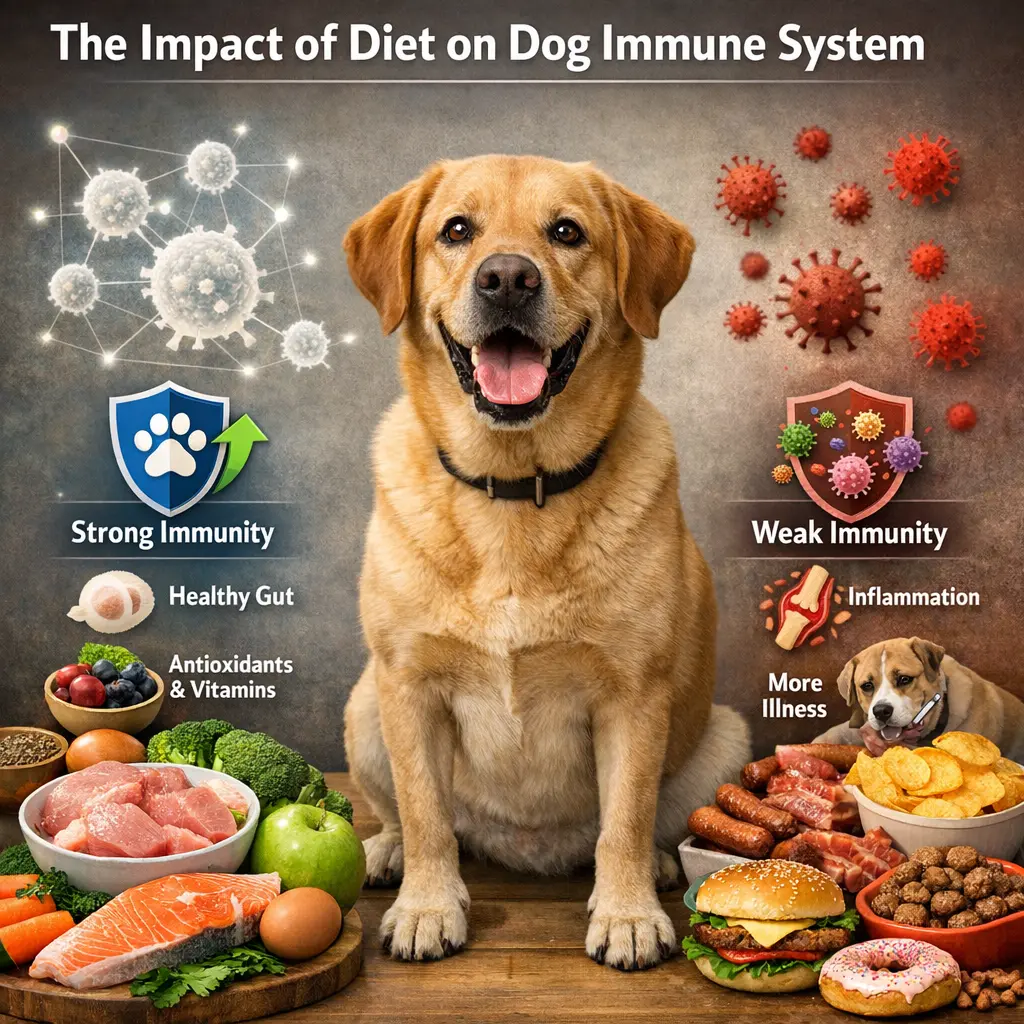
Advanced Canine Nutrition refers to the science of formulating a dog’s diet to optimize health, longevity, and performance. It involves balancing proteins, fats, carbohydrates, vitamins, and minerals based on a dog’s age, breed, size, and activity level. This approach considers specific dietary needs, food sensitivities, and medical conditions, using high-quality ingredients and supplements to support immune function, digestive health, joint mobility, and overall well-being in dogs.
Advanced Canine Nutrition
Advanced Canine Nutrition refers to the science of formulating a dog’s diet to optimize health, longevity, and performance. It involves balancing proteins, fats, carbohydrates, vitamins, and minerals based on a dog’s age, breed, size, and activity level. This approach considers specific dietary needs, food sensitivities, and medical conditions, using high-quality ingredients and supplements to support immune function, digestive health, joint mobility, and overall well-being in dogs.

💡 Key Takeaways
- Tailor macronutrient needs (protein, fat, carbs) to a dog’s life stage and activity level.
- Read dog food labels confidently to assess ingredient quality, guaranteed analysis, and nutritional adequacy.
- Calculate energy requirements (RER/MER) to support weight management and training goals.
- Understand protein quality and essential minerals (e.g., calcium and phosphorus) and their impact on muscle and bone health.
❓ Frequently Asked Questions
How do you calculate a dog's daily energy needs and adjust for activity?
Use Resting Energy Requirement (RER) = 70 × (body weight in kg)0.75; multiply by an activity factor to get Maintenance Energy Requirement (MER). Then adjust for life stage, neuter status, and monitor weight to maintain ideal body condition.
What makes a protein high-quality for dogs?
A high-quality protein provides all essential amino acids in a highly digestible form. Look for a balanced amino acid profile and good digestibility; animal-based proteins are often more complete, though well-planned plant proteins can meet needs.
What is the role of omega-3 and omega-6 fatty acids in canine nutrition?
Omega-6 and omega-3 fatty acids are essential for skin, coat, and inflammatory processes. EPA and DHA (omega-3s) offer anti-inflammatory benefits, while omega-6 supports skin health; balance and total fat intake are important.
Why is calcium and phosphorus balance important in dog diets?
Calcium and phosphorus support bone development and metabolism; an improper Ca:P balance can lead to skeletal problems, especially in growing puppies or large breeds. Use a diet formulated for the life stage or consult a veterinarian.