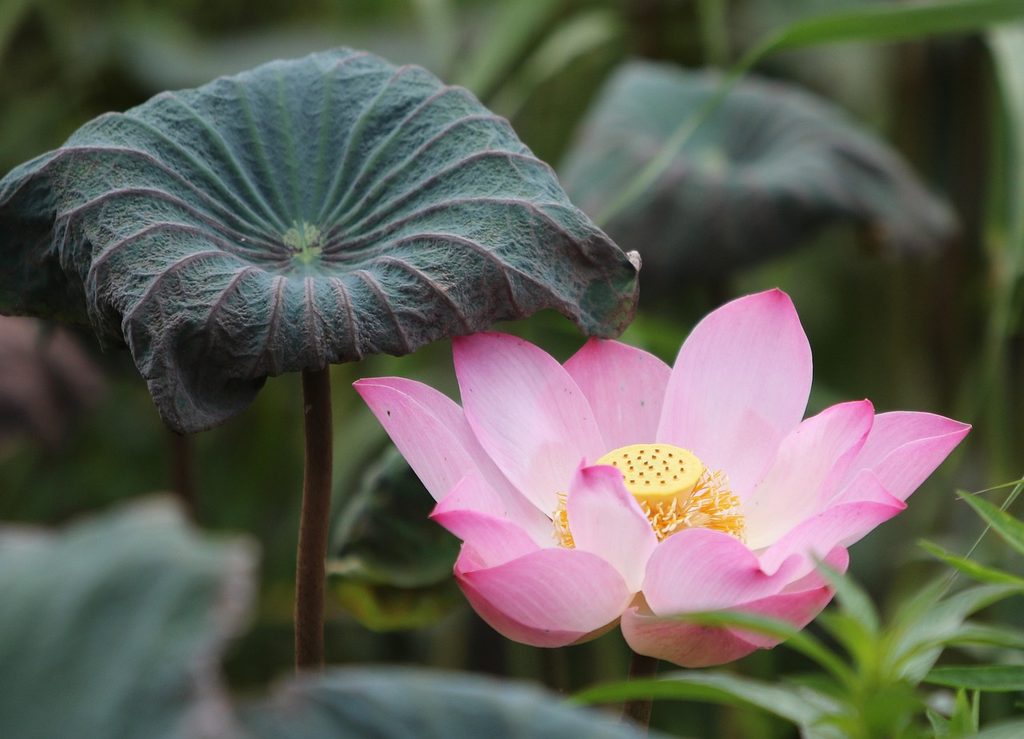
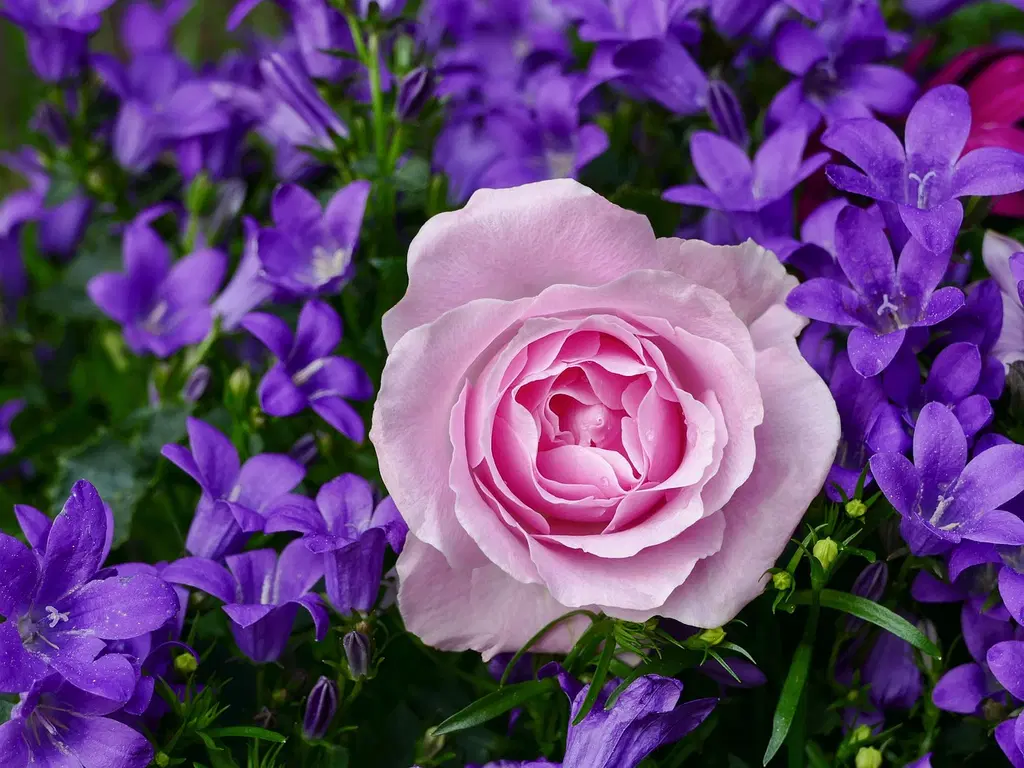
Advanced Lotus Varieties refer to specially cultivated types of lotus plants known for their unique, vibrant, and often larger or more intricate blooms. These varieties are bred for enhanced color, petal formation, and resilience, making them highly desirable for ornamental gardens and water features. Alongside lotuses, some collections may feature exceptional rose blooms, highlighting the diversity and beauty of advanced floral breeding in both lotus and rose species.
Advanced Lotus Varieties
Advanced Lotus Varieties refer to specially cultivated types of lotus plants known for their unique, vibrant, and often larger or more intricate blooms. These varieties are bred for enhanced color, petal formation, and resilience, making them highly desirable for ornamental gardens and water features. Alongside lotuses, some collections may feature exceptional rose blooms, highlighting the diversity and beauty of advanced floral breeding in both lotus and rose species.

💡 Key Takeaways
- Identify key traits that differentiate advanced lotus cultivars (flower color, size, leaf shape).
- Compare growth requirements and climate needs for lotus varieties.
- Learn propagation and selection tips for cultivating lotus cultivars.
- Manage common pests and diseases affecting lotus varieties.
❓ Frequently Asked Questions
What is the difference between sacred lotus and American lotus?
Sacred lotus (Nelumbo nucifera) is native to Asia and typically has pink to white flowers with large rounded leaves. American lotus (Nelumbo lutea) is native to North America and usually features white to pale yellow flowers with subtly different leaf traits.
What traits define advanced lotus cultivars?
Key traits include flower form (single vs. double), color range (white, pink, yellow), plant size (dwarf to tall), leaf size/shape, fragrance, and growth habit (container-friendly vs. pond-scale). Rhizome vigor and climate hardiness also matter.
How do you propagate advanced lotus varieties?
Propagation is most reliable via rhizome division in spring: cut the rhizome with at least one growing bud and plant in a large pot at a diagonal angle with heavy soil. Keep warm and sunlit. Seeds can also be used for breeding but require scarification and lengthy germination.
What are essential care tips for lotus varieties in ponds?
Provide full sun and a heavy, nutrient-rich substrate. Maintain appropriate water depth for the cultivar, fertilize during active growth, and keep water clean. Remove yellowing leaves and monitor for pests; winterize tubers in cold climates if needed.