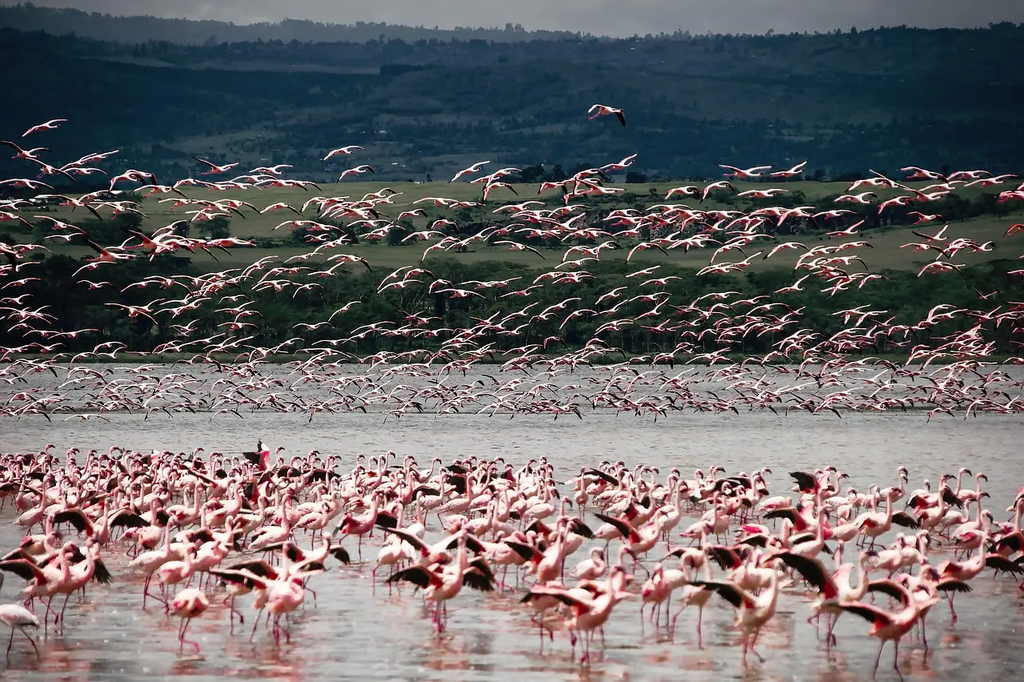
Animal climate adaptations refer to the unique ways animals adjust to survive in different environments, from freezing arctic tundras to scorching deserts. These adaptations can include changes in body structure, behavior, or physiology, such as growing thicker fur, changing color with the seasons, or migrating long distances. Such fascinating traits help animals thrive despite extreme temperatures or challenging weather, showcasing nature’s incredible ability to innovate for survival.
Animal Climate Adaptations
Animal climate adaptations refer to the unique ways animals adjust to survive in different environments, from freezing arctic tundras to scorching deserts. These adaptations can include changes in body structure, behavior, or physiology, such as growing thicker fur, changing color with the seasons, or migrating long distances. Such fascinating traits help animals thrive despite extreme temperatures or challenging weather, showcasing nature’s incredible ability to innovate for survival.
💡 Key Takeaways
- Understand how animals regulate body temperature and conserve water across habitats.
- Learn behavioral adaptations such as migration, hibernation/torpor, and estivation to survive climate variation.
- Explore physical and physiological adaptations like insulation (fur, fat), coloration, and body size that aid thermoregulation and performance.
- Recognize how climate change is shifting animal distributions, migration timing, and reproductive cycles.
❓ Frequently Asked Questions
What are animal climate adaptations?
Traits, behaviors, or physiologies that help animals survive in specific climates by managing temperature, water, and exposure to the elements.
How do animals cope with hot climates?
Through cooling strategies (panting, sweating, evaporative cooling), body heat management (blood flow to the skin or large ears), daily activity shifts (nocturnal or crepuscular), burrowing, and efficient water use.
How do animals cope with cold climates?
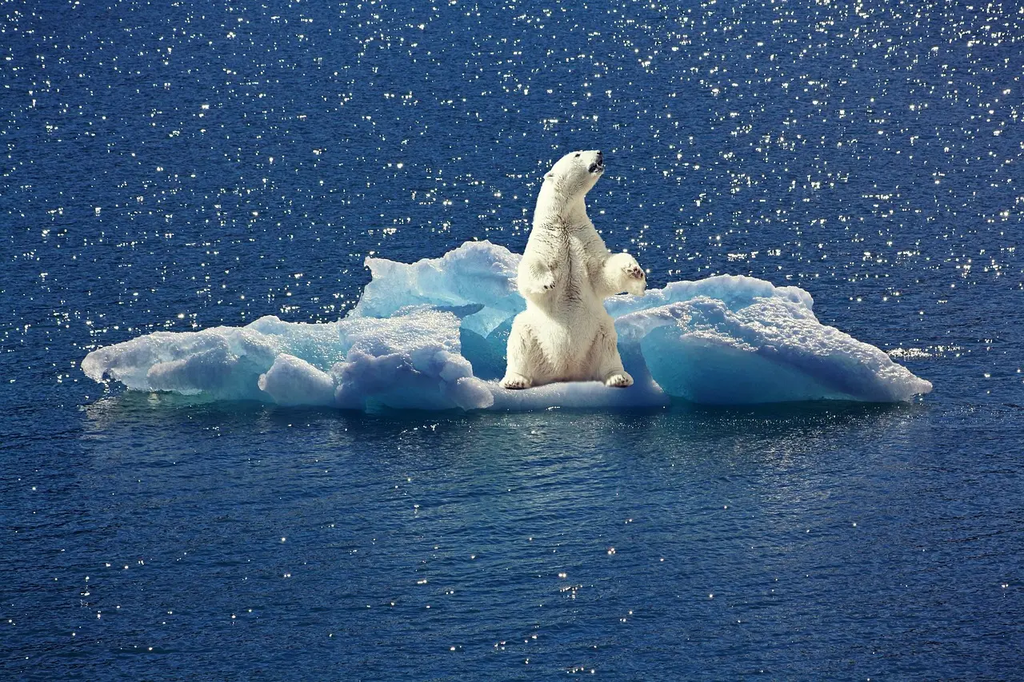
By insulating features (thick fur or blubber), conserving heat via counter-current exchange, reducing metabolism via hibernation or torpor, migrating, and sometimes producing antifreeze proteins.
What is the difference between adaptation and acclimation?
Adaptation is genetic change over generations; acclimation is a short-term physiological adjustment within an individual's lifetime.