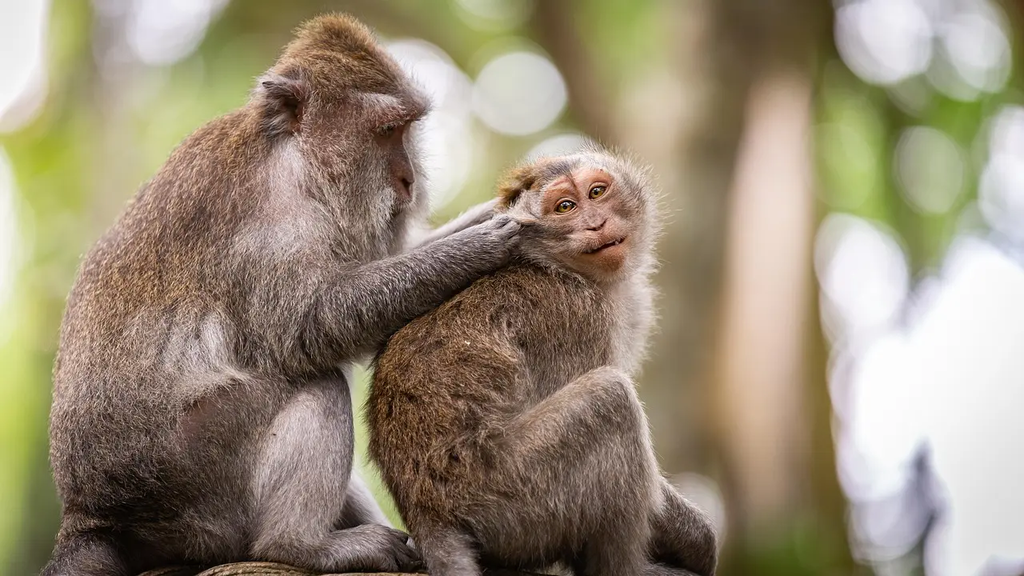
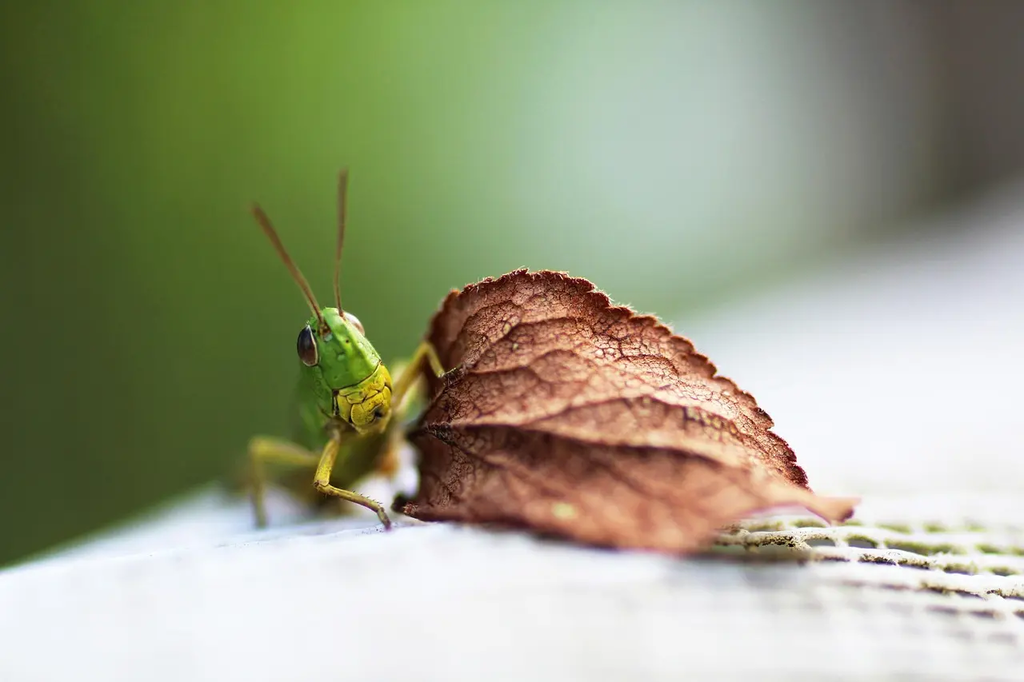
Animal habitats are the natural environments where different species of animals live, grow, and thrive. Each habitat, such as forests, oceans, deserts, or grasslands, provides specific conditions like food, water, shelter, and climate that suit the needs of its inhabitants. The animal kingdom is incredibly diverse, with species adapting to various habitats to survive. Understanding animal habitats helps us appreciate biodiversity and the importance of conserving these environments.
Animal Habitats+50
Animal habitats are the natural environments where different species of animals live, grow, and thrive. Each habitat, such as forests, oceans, deserts, or grasslands, provides specific conditions like food, water, shelter, and climate that suit the needs of its inhabitants. The animal kingdom is incredibly diverse, with species adapting to various habitats to survive. Understanding animal habitats helps us appreciate biodiversity and the importance of conserving these environments.
💡 Key Takeaways
- Identify major animal habitats (forest, desert, grassland, freshwater, and marine) and examples of animals that live there.
- Describe how climate and vegetation shape which animals can survive in a habitat.
- Explain common adaptations that help animals thrive in different habitats (camouflage, migration, hibernation, water conservation).
- Understand how human activities affect habitats and why conservation matters.
❓ Frequently Asked Questions
What is an animal habitat?
A habitat is the natural place where an animal lives, providing food, water, shelter, and space for growth and reproduction.
What are the main types of animal habitats?
Habitats are broadly terrestrial (forests, deserts, grasslands, mountains) or aquatic (freshwater and marine), with many subtypes such as wetlands, reefs, and tundra.
How do animals adapt to their habitats?
Animals develop physical, behavioral, and physiological traits that help them survive in their habitat, like thick fur in cold climates or schooling in open waters.
What is the difference between a habitat and a niche?
A habitat is where an organism lives; a niche is the role it plays there, including what it eats, how it avoids predators, and how it interacts with other species.
Why is habitat conservation important?
Preserving habitats protects the resources animals need, supports biodiversity, and helps prevent declines caused by pollution and habitat loss.