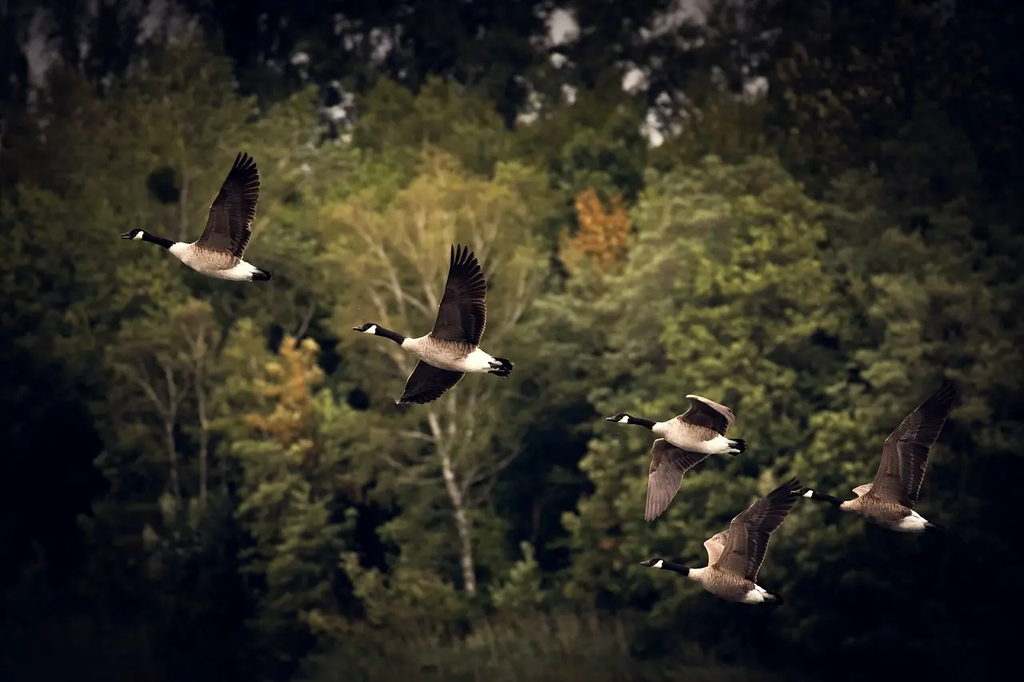
Birds are warm-blooded vertebrates belonging to the animal kingdom, specifically the class Aves. Characterized by feathers, beaks, and the ability to lay hard-shelled eggs, birds are found in diverse habitats worldwide. They possess lightweight skeletons, enabling flight in most species, though some are flightless. Birds play vital ecological roles as pollinators, seed dispersers, and predators, and they exhibit a wide range of behaviors, vocalizations, and nesting habits.
Birds
Birds are warm-blooded vertebrates belonging to the animal kingdom, specifically the class Aves. Characterized by feathers, beaks, and the ability to lay hard-shelled eggs, birds are found in diverse habitats worldwide. They possess lightweight skeletons, enabling flight in most species, though some are flightless. Birds play vital ecological roles as pollinators, seed dispersers, and predators, and they exhibit a wide range of behaviors, vocalizations, and nesting habits.
💡 Key Takeaways
- Identify major bird groups (e.g., songbirds, raptors, waterfowl) and provide examples.
- Explain how beak shape and body adaptations indicate a bird's diet and lifestyle.
- Describe common bird behaviors such as songs, courtship, migration, and nesting.
- Recognize factors that affect bird habitats and basic conservation concepts.
❓ Frequently Asked Questions
What is a bird?
A warm-blooded vertebrate with feathers, wings, a beak, and eggs. Most can fly, but some are flightless.
What is the purpose of a bird's beak?
Beak shape and size reflect a bird's diet and feeding method; modern birds typically have no teeth and use the beak to process food.
What is bird migration?
Seasonal movement between breeding and wintering areas, driven by changes in food availability and climate.
What is the difference between altricial and precocial chicks?
Altricial chicks hatch helpless and depend on parents; precocial chicks hatch more mature, mobile, and able to feed themselves soon after hatching.