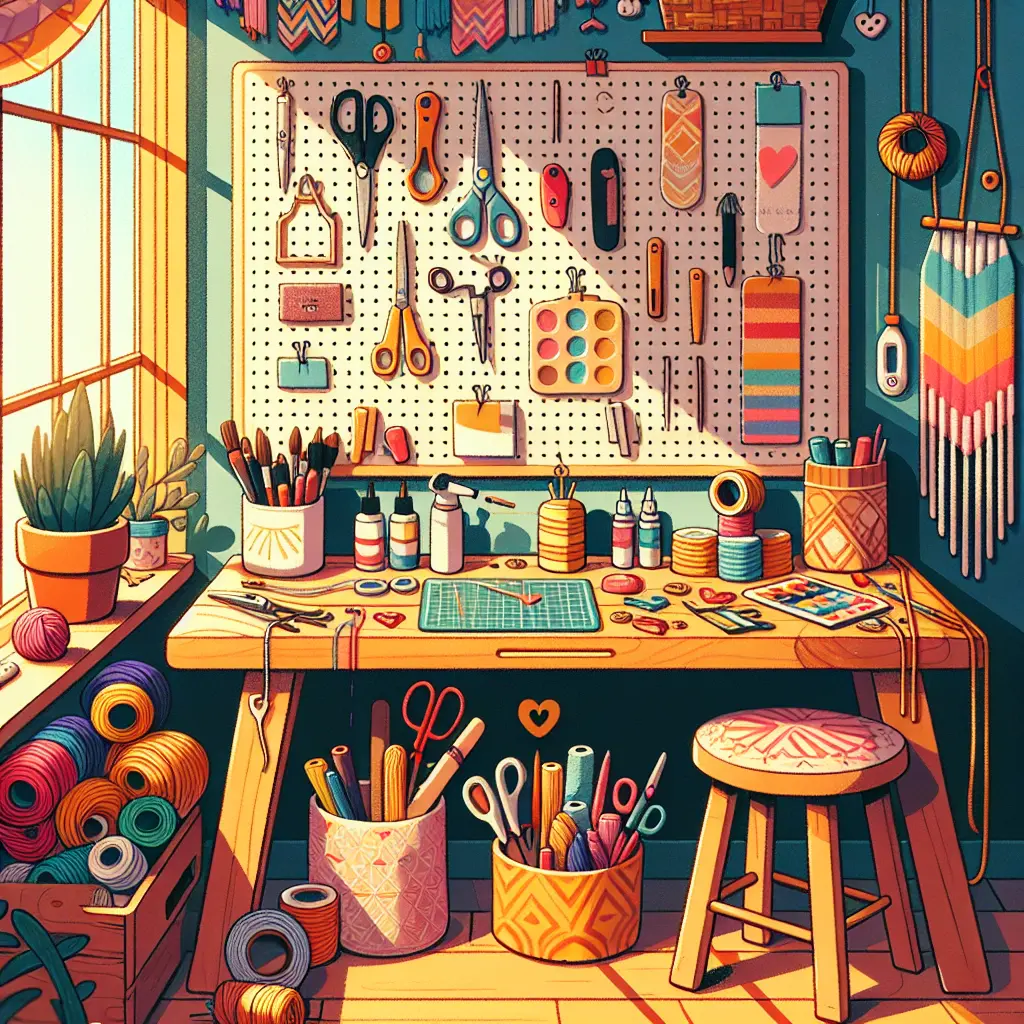
Brand Identity Systems are comprehensive frameworks that define how a brand presents itself across various platforms and media. They include visual elements like logos, color palettes, typography, and imagery, as well as guidelines for tone of voice and messaging. These systems ensure consistency, recognition, and coherence in all brand communications, helping to establish a strong, memorable presence in the minds of consumers and differentiate the brand from competitors.
Brand Identity Systems
Brand Identity Systems are comprehensive frameworks that define how a brand presents itself across various platforms and media. They include visual elements like logos, color palettes, typography, and imagery, as well as guidelines for tone of voice and messaging. These systems ensure consistency, recognition, and coherence in all brand communications, helping to establish a strong, memorable presence in the minds of consumers and differentiate the brand from competitors.
💡 Key Takeaways
- Define what a brand identity system is and why consistency across platforms matters for an Arts & Crafts brand.
- Identify core visual elements—logo, color palette, typography, and imagery—and how to apply them cohesively.
- Explain how tone of voice and messaging guidelines align with the visual identity to tell a consistent brand story.
- Learn how to manage brand assets with a style guide, templates, and accessibility considerations for cross-platform usage.
❓ Frequently Asked Questions
What is a brand identity system?
A cohesive framework that defines how a brand presents itself across platforms, covering logos, colors, typography, imagery, and messaging guidelines.
What elements are included in a brand identity system?
Logo usage, color palette, typography, imagery style, icons, layout rules, and tone of voice with messaging guidelines.
Why is consistency important in arts & crafts branding?
Consistency helps people recognize the brand, builds trust, and makes products, packaging, websites, and studio materials feel connected.
How do color palettes and typography affect brand perception?
Colors set mood and identity, while typography affects readability and style; together they convey handmade, artisanal quality.