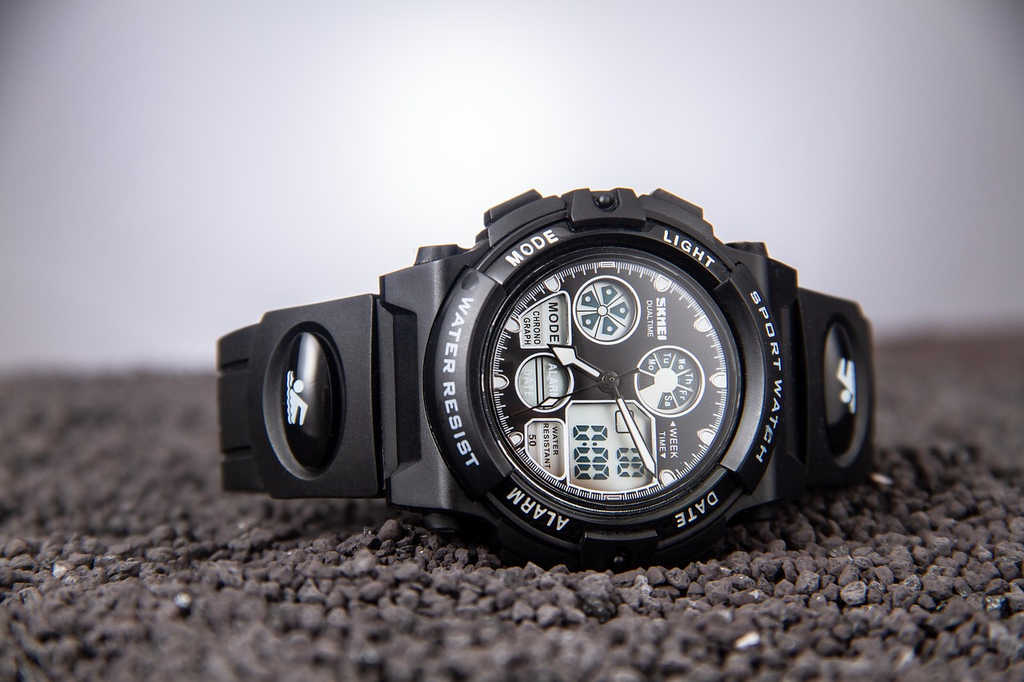
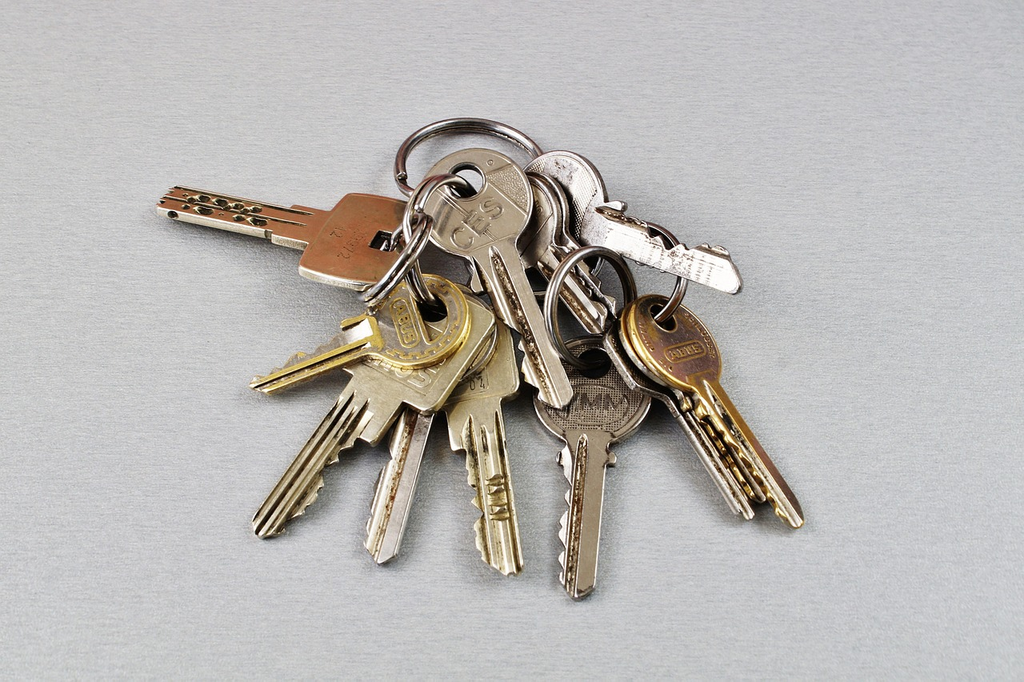
Clockwork Automata (Daily Essentials (Clocks & Keys)) refers to intricate mechanical devices powered by winding mechanisms, designed to perform specific functions like telling time or unlocking mechanisms. These automata combine the precise engineering of clocks with the utility of keys, symbolizing the fusion of artistry and practicality in daily life. They exemplify human ingenuity in creating reliable, self-operating tools essential for organization, security, and routine tasks.
Clockwork Automata
Clockwork Automata (Daily Essentials (Clocks & Keys)) refers to intricate mechanical devices powered by winding mechanisms, designed to perform specific functions like telling time or unlocking mechanisms. These automata combine the precise engineering of clocks with the utility of keys, symbolizing the fusion of artistry and practicality in daily life. They exemplify human ingenuity in creating reliable, self-operating tools essential for organization, security, and routine tasks.
💡 Key Takeaways
- Understand how clockwork automata use springs, gears, and cams to drive movement.
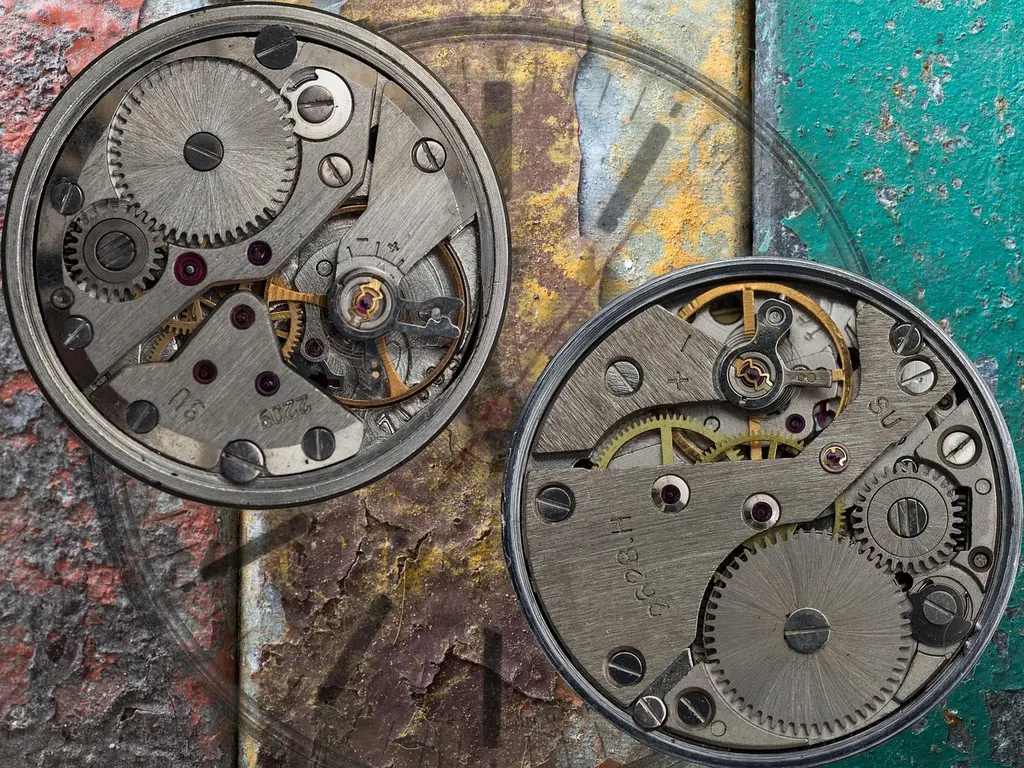
- Identify key components (mainspring, gear train, escapement) and their roles in timing and motion.
- Trace the history of mechanical automata from ancient devices to Victorian wind-up figures and clocks.
- See how basic machine principles like gears, levers, and cams enable repeatable, predictable motions in clockwork devices.
❓ Frequently Asked Questions
What is a clockwork automaton?
A mechanical figure powered by a wound spring or weights that moves through gears and cams to perform pre-set actions.
What powers and controls motion in a clockwork automaton?
Energy comes from a mainspring or weight; a gear train and sometimes a cam regulate movement, with an escapement providing steady, repeatable steps.
What components are typically found in clockwork automata?
Mainspring or weight, gear train, escapement, cams or cranks, followers, and sometimes a music or sound mechanism.
How do clockwork automata differ from modern robots?
They rely solely on mechanical energy with no electronics or sensors; movements are fixed by the arrangement of gears and cams.
When were clockwork automata popular and where were they made?
They were especially popular in the 18th–19th centuries in Europe, with skilled makers in Switzerland, France, and England.