Coffee shop culture refers to the social and lifestyle practices centered around coffee consumption, often in dedicated cafés or coffeehouses. It encompasses rituals of brewing, savoring, and socializing over coffee, reflecting community, creativity, and relaxation. This culture highlights the significance of caffeine as both a stimulant and a social connector, influencing daily routines, fostering conversations, and providing spaces for work, leisure, and artistic expression in urban and suburban environments worldwide.
Coffee Shop Culture+50
Coffee shop culture refers to the social and lifestyle practices centered around coffee consumption, often in dedicated cafés or coffeehouses. It encompasses rituals of brewing, savoring, and socializing over coffee, reflecting community, creativity, and relaxation. This culture highlights the significance of caffeine as both a stimulant and a social connector, influencing daily routines, fostering conversations, and providing spaces for work, leisure, and artistic expression in urban and suburban environments worldwide.
💡 Key Takeaways
- Understand how coffee shop culture shapes the customer experience, including ambiance and service style.
- Learn cafe etiquette and norms (tipping, seating, music levels) that affect visits.
- See how sourcing, sustainability, and local trends influence cafe offerings and vibe.
- Compare different cafe formats (micro-roasters, neighborhood cafes, third-wave shops) and their cultural cues.
❓ Frequently Asked Questions
What is third wave coffee culture?
A movement that treats coffee as a craft, emphasizing origin tracing, ethical sourcing, lighter roasts, and precise manual brewing to highlight unique flavors.
What is a pour-over, and how is it brewed?
A manual drip method where hot water is poured over ground coffee in a filter, controlling grind, temperature, and pour rate to produce a clean, nuanced cup (common tools: Hario V60, Chemex).
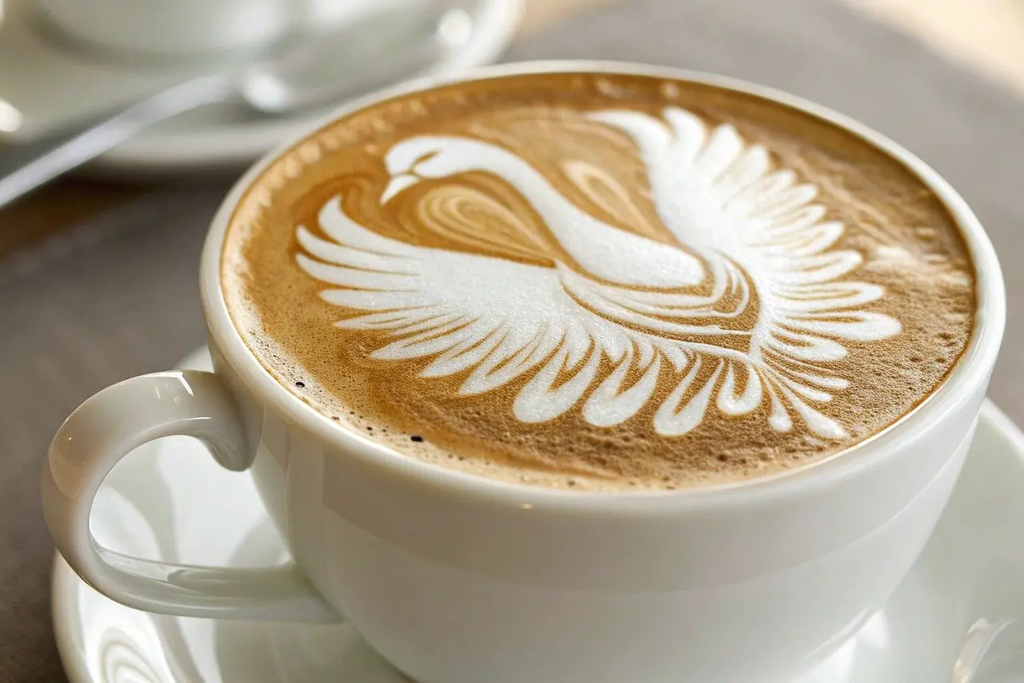
What is latte art and what does it indicate?
Latte art is designs made by pouring steamed milk into espresso, indicating good microfoam and barista skill, with patterns like hearts or rosettas.
What is the difference between single-origin coffee and a blend?
Single-origin comes from one place and highlights its regional flavors; blends mix beans from multiple origins to achieve a balanced or specific flavor profile.