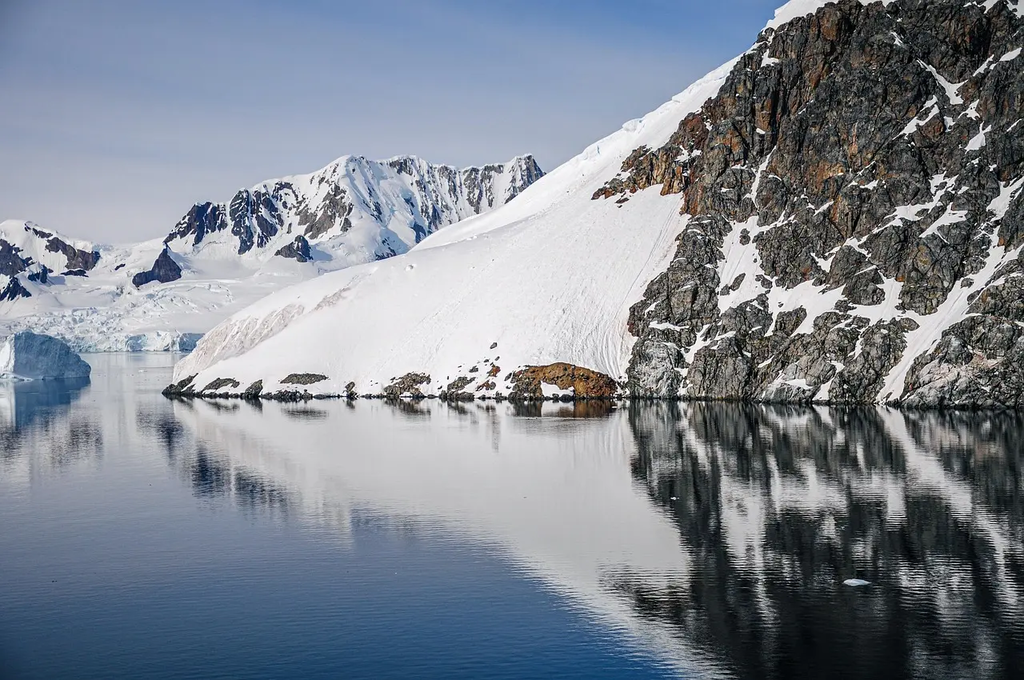
Cold snaps are sudden, sharp drops in temperature that can occur unexpectedly, often during winter. These abrupt changes can be dangerous, causing frostbite, hypothermia, and damage to crops or infrastructure. Nature’s scary side is revealed as cold snaps disrupt ecosystems, endanger wildlife, and challenge human preparedness. Extreme cold can also strain energy supplies, making it crucial for communities to be vigilant and responsive when such weather events strike.
Cold Snaps
Cold snaps are sudden, sharp drops in temperature that can occur unexpectedly, often during winter. These abrupt changes can be dangerous, causing frostbite, hypothermia, and damage to crops or infrastructure. Nature’s scary side is revealed as cold snaps disrupt ecosystems, endanger wildlife, and challenge human preparedness. Extreme cold can also strain energy supplies, making it crucial for communities to be vigilant and responsive when such weather events strike.

💡 Key Takeaways
- Understand what a cold snap is and how it affects weather, daily life, and infrastructure.
- Learn to recognize wind chill, frost, and other indicators of extreme cold and their health implications.
- Discover practical safety steps to stay warm and safe during a cold snap (clothing, heating strategies, hydration, and pets).
- Explore simple home and community readiness tips to minimize disruption during extreme cold.
❓ Frequently Asked Questions
What is a cold snap?
A period of unusually cold weather for a region, often with several days of below-average temperatures.
What causes a cold snap?
Arctic air masses moving south and rapid nighttime cooling due to clear skies and light winds, sometimes influenced by jet stream patterns.
How should I stay safe during a cold snap?
Wear layers, limit time outdoors, keep your home heated safely, protect pipes from freezing, and check on neighbors and pets.
How is a cold snap different from a cold wave?
A cold snap is a short-term, abrupt drop in temperatures, while a cold wave is a longer-lasting period of persistently cold weather.