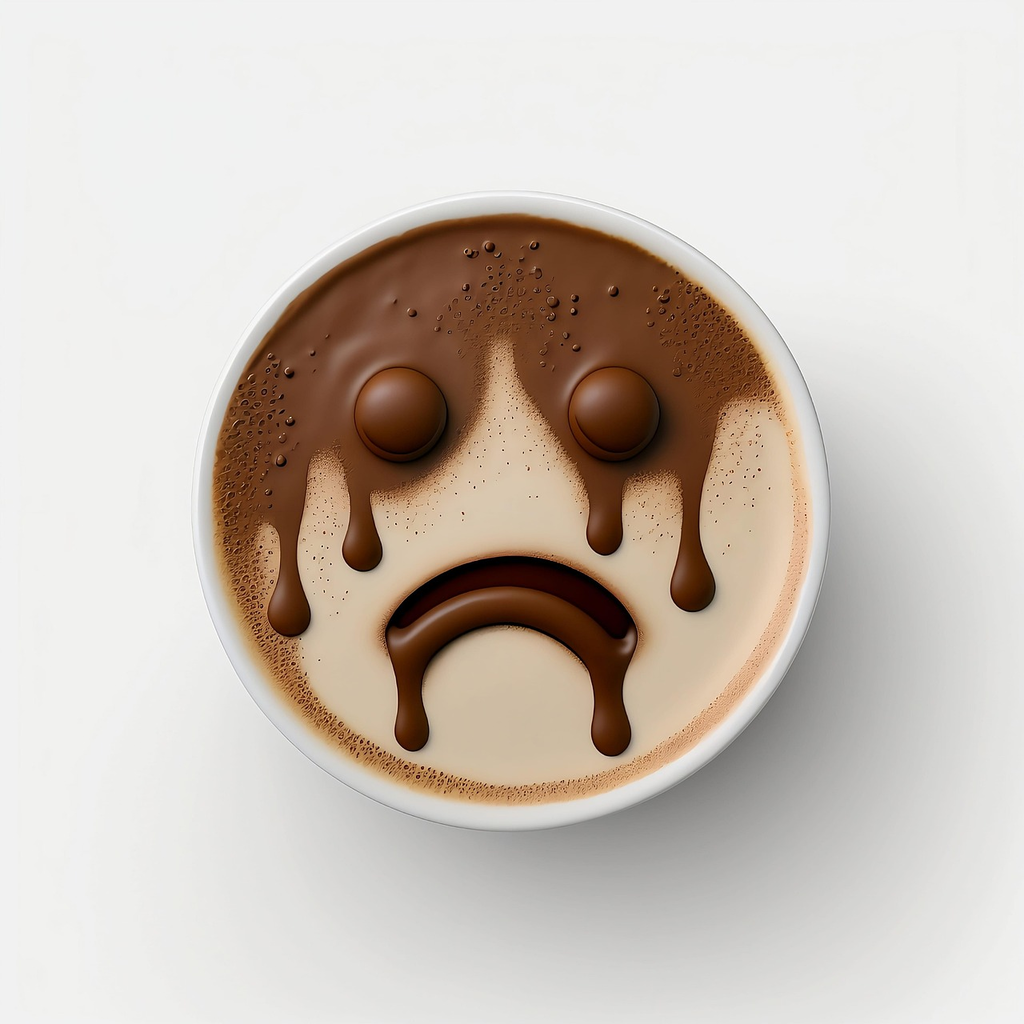
Emojis for shock commonly feature wide eyes, raised eyebrows, and open mouths to visually express surprise or disbelief. Among emotion emojis, these often include faces with tears or exaggerated smiles to intensify the reaction, blending elements of astonishment with either joy or distress. Such emojis help convey nuanced emotional responses in digital communication, making it easier to express feelings of being startled, amazed, or overwhelmed through simple visual cues.
Emojis for Shock
Emojis for shock commonly feature wide eyes, raised eyebrows, and open mouths to visually express surprise or disbelief. Among emotion emojis, these often include faces with tears or exaggerated smiles to intensify the reaction, blending elements of astonishment with either joy or distress. Such emojis help convey nuanced emotional responses in digital communication, making it easier to express feelings of being startled, amazed, or overwhelmed through simple visual cues.

💡 Key Takeaways
- Identify common shock emojis (😮, 😲, 😳, 😱) and their nuances.
- Pair shock emojis with text to match tone (surprise, disbelief, fear) across messages and posts.
- Consider platform rendering differences that affect how shock looks and reads.
- Ensure accessibility by providing descriptive text or alt text for screen readers.
- Be mindful of cultural differences in emoji interpretation and adapt usage.
❓ Frequently Asked Questions
What emojis commonly convey shock or surprise?
Common options include Face with Open Mouth (mild surprise), Astonished Face (stronger astonishment), and Face Screaming in Fear (intense shock). Use the one that matches the tone you want.
Do emoji meanings vary by platform or region?
Yes. Different platforms (Apple, Google, Samsung, etc.) render emojis differently, which can affect perceived intensity or emotion. Consider your audience.
When should I avoid using shock emojis in writing?
In formal or neutral contexts, or when you want to minimize misinterpretation. In such cases, rely on words or punctuation rather than a strong emoji.
How do I pick the right emoji for a quiz about shock?
Choose based on the described level of shock in the question: mild surprise → 😮, strong astonishment → 😲, extreme fear → 😱. Let the surrounding text guide the choice.