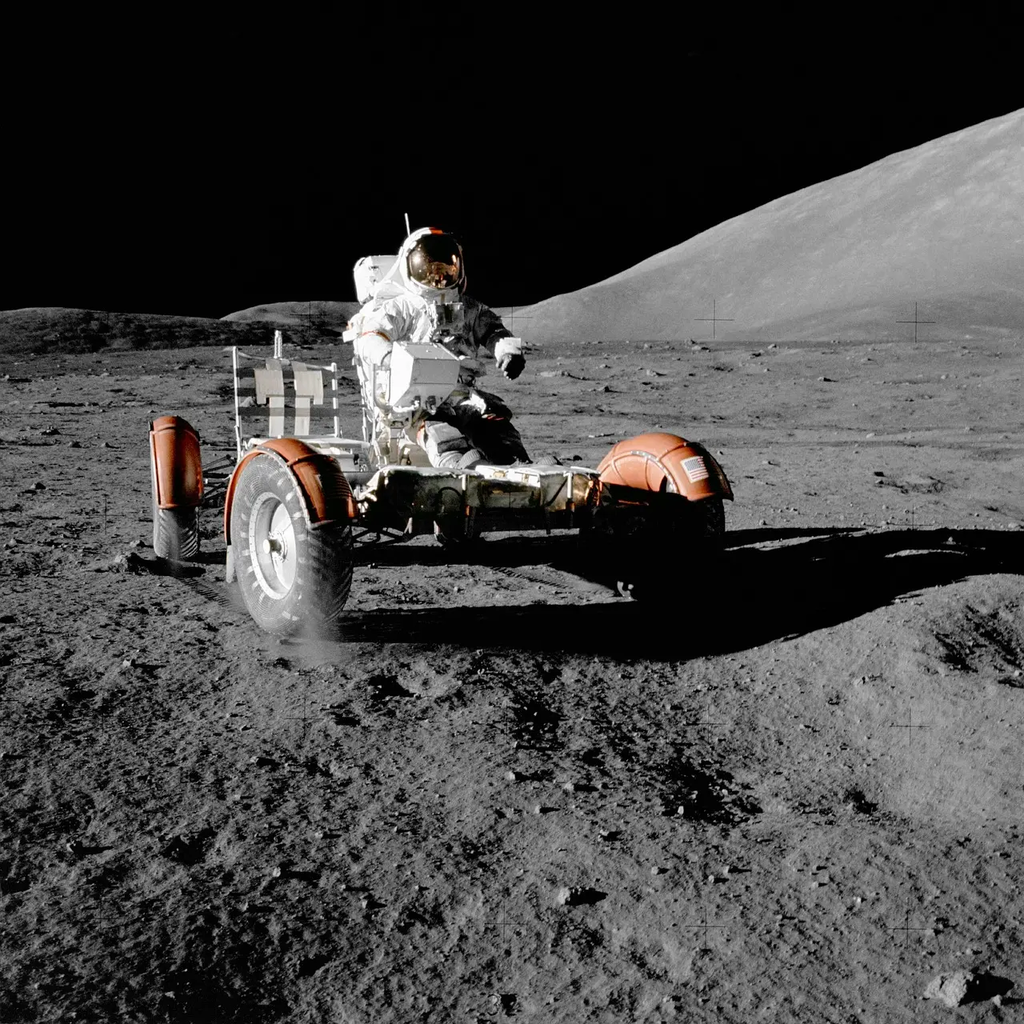
Future Moon missions represent humanity’s renewed interest in lunar exploration, focusing on both robotic and crewed journeys. These missions aim to advance scientific understanding, test new technologies, and lay the groundwork for sustainable lunar presence. Nations and private companies are planning landings, lunar bases, resource extraction, and experiments on the Moon’s surface. Ultimately, these efforts seek to inspire innovation, foster international collaboration, and pave the way for deeper space exploration.
Future Moon Missions
Future Moon missions represent humanity’s renewed interest in lunar exploration, focusing on both robotic and crewed journeys. These missions aim to advance scientific understanding, test new technologies, and lay the groundwork for sustainable lunar presence. Nations and private companies are planning landings, lunar bases, resource extraction, and experiments on the Moon’s surface. Ultimately, these efforts seek to inspire innovation, foster international collaboration, and pave the way for deeper space exploration.
💡 Key Takeaways
- Understand the goals of upcoming lunar missions (science, resources, and tech demonstrations).
- Learn about the core technologies enabling Moon landings and operations (propulsion, landing systems, power, and in-situ resource utilization).
- Explore plans for sustainable human and robotic activity on the Moon (habitats, life support, safety).
- Discover how international and commercial partners shape lunar exploration (Artemis, CLPS, and collaborators).
- Identify key challenges for a long-term Moon presence and the proposed solutions (dust, radiation, temperature extremes, communications, and infrastructure).
❓ Frequently Asked Questions
What is the Artemis program and its main goal?
NASA's Artemis program aims to return humans to the Moon, establish a sustainable presence, and enable future crewed missions to Mars.
What is the lunar Gateway and what is it for?
Gateway is a planned small space station in lunar orbit that supports surface missions with crew transfer, communications, refueling, and staging for landers.
Who is developing lunar landers for future Moon missions?
NASA is partnering with commercial developers (e.g., SpaceX, Astrobotic, Intuitive Machines) to build lunar landers that deliver astronauts and cargo to the surface.
What lunar resources are scientists hoping to use on future missions?
Water ice near the poles could be turned into fuel and breathable oxygen; regolith may be used for construction and shielding.