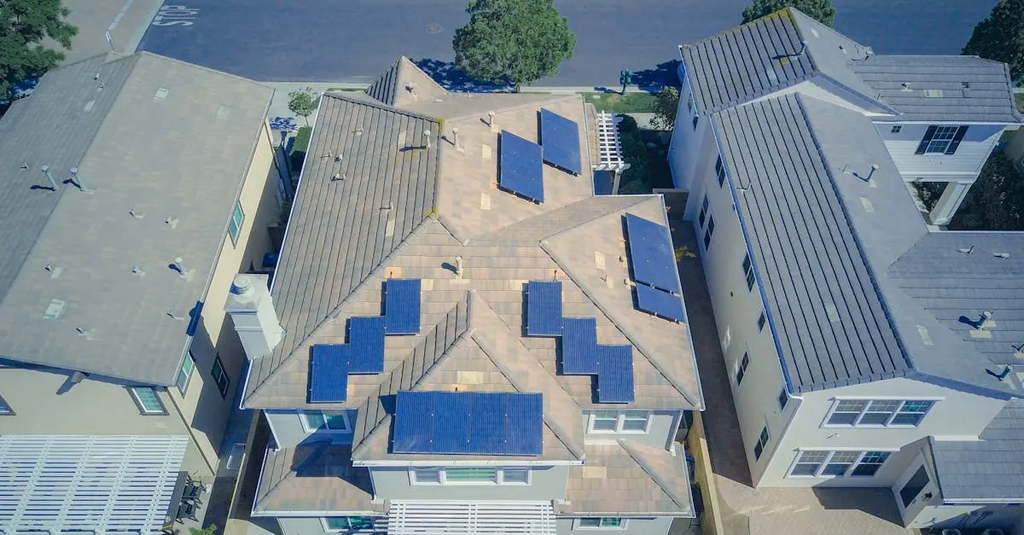
Green Building refers to the practice of designing, constructing, and operating buildings in an environmentally responsible and resource-efficient manner. LEED (Leadership in Energy and Environmental Design) is a widely recognized certification system that evaluates buildings based on criteria such as energy efficiency, water usage, indoor environmental quality, and sustainable materials. Achieving LEED certification demonstrates a building’s commitment to sustainability and reduced environmental impact, promoting healthier living and working spaces.
Green Building and LEED
Green Building refers to the practice of designing, constructing, and operating buildings in an environmentally responsible and resource-efficient manner. LEED (Leadership in Energy and Environmental Design) is a widely recognized certification system that evaluates buildings based on criteria such as energy efficiency, water usage, indoor environmental quality, and sustainable materials. Achieving LEED certification demonstrates a building’s commitment to sustainability and reduced environmental impact, promoting healthier living and working spaces.
💡 Key Takeaways
- Understand the purpose of green building: designing, constructing, and operating buildings to reduce environmental impact and conserve resources.
- Learn what LEED stands for, how it evaluates buildings, and the certification levels (Certified, Silver, Gold, Platinum).
- Identify the major LEED credit categories (Energy & Atmosphere, Water Efficiency, Materials & Resources, Indoor Environmental Quality, Sustainable Sites, Location & Transportation) and what they assess.
- Explore common strategies and credits used to earn LEED points, such as energy efficiency, water conservation, sustainable materials, and improved indoor air quality.
❓ Frequently Asked Questions
What is green building?
Green building is the practice of designing, constructing, and operating buildings to reduce environmental impact and use resources efficiently.
What does LEED stand for?
LEED stands for Leadership in Energy and Environmental Design, a certification system for evaluating building sustainability.
What are the typical LEED certification levels?
LEED certifies buildings as Certified, Silver, Gold, or Platinum based on points earned across categories.
What criteria does LEED evaluate?
LEED evaluates energy use, water efficiency, materials and resources, indoor environmental quality, sustainable site selection, and regional priority, among others.
How does a building earn LEED certification?
A project registers with the certification body, submits documentation for credits, undergoes review, and earns a level by achieving the required points.