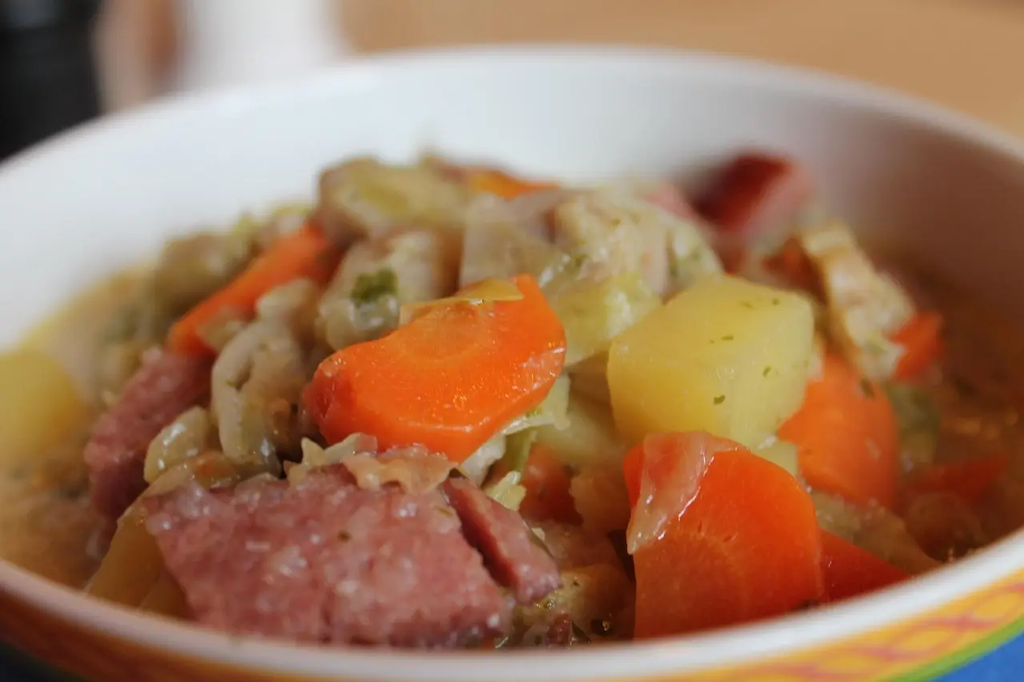
Introduction to Food Pairings explores the art and science of combining different foods to enhance flavors, textures, and overall dining experiences. It delves into how certain ingredients complement or contrast with one another, creating memorable meals. By understanding food pairings, you can identify and appreciate the world’s tastiest dishes, discover new culinary combinations, and elevate your palate, making each meal more enjoyable and adventurous.
Introduction to Food Pairings+50
Introduction to Food Pairings explores the art and science of combining different foods to enhance flavors, textures, and overall dining experiences. It delves into how certain ingredients complement or contrast with one another, creating memorable meals. By understanding food pairings, you can identify and appreciate the world’s tastiest dishes, discover new culinary combinations, and elevate your palate, making each meal more enjoyable and adventurous.
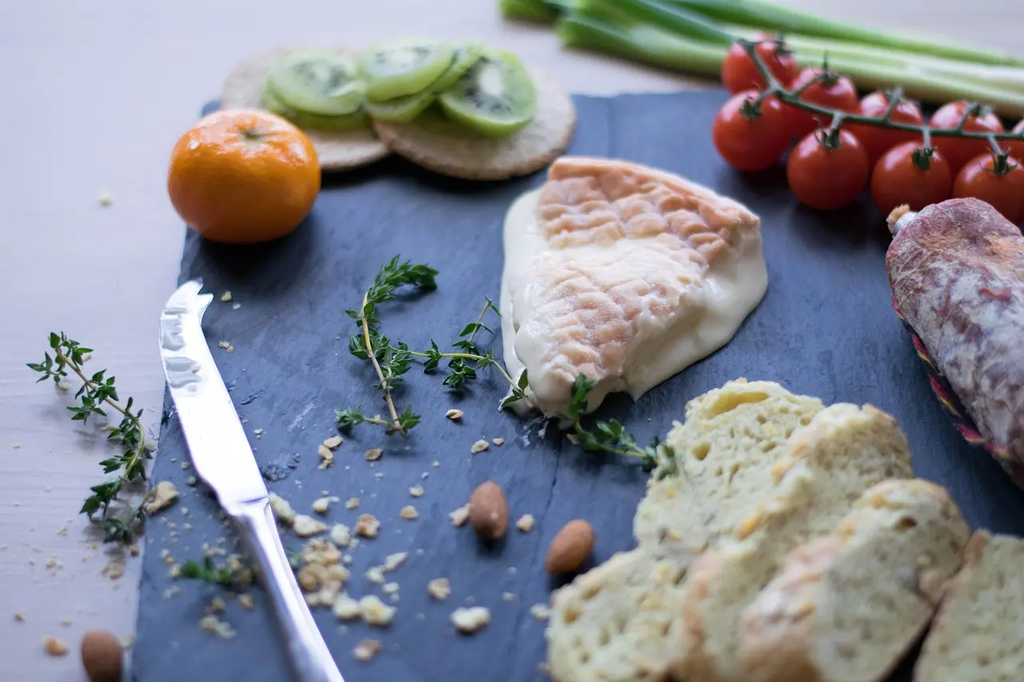
💡 Key Takeaways
- Understand the basic principles of flavor pairing (complementary, contrasting, and bridging flavors).
- Learn how salt, acidity, sweetness, and bitterness influence which foods pair well together.
- Explore the roles of texture, aroma, and temperature in creating satisfying combinations.
- Practice creating simple pairings using common ingredients to balance flavors and enhance enjoyment.
❓ Frequently Asked Questions
What is food pairing?
Food pairing is the practice of matching ingredients so they taste better together by balancing flavors, textures, and aromas.
What factors influence successful pairings?
Key factors include flavor compounds (shared or complementary aromas), overall taste balance (sweet, sour, salty, bitter, umami), texture, and the perceived weight of ingredients.
How do you start creating pairings?
Choose a main ingredient, note its flavors, then pick other ingredients with similar aromas or pleasant contrasts, keeping texture and intensity in mind and tasting as you go.
What is the difference between complementary and contrasting pairings?
Complementary pairings reinforce similar flavors for harmony; contrasting pairings pair opposite notes to create balance and excitement.