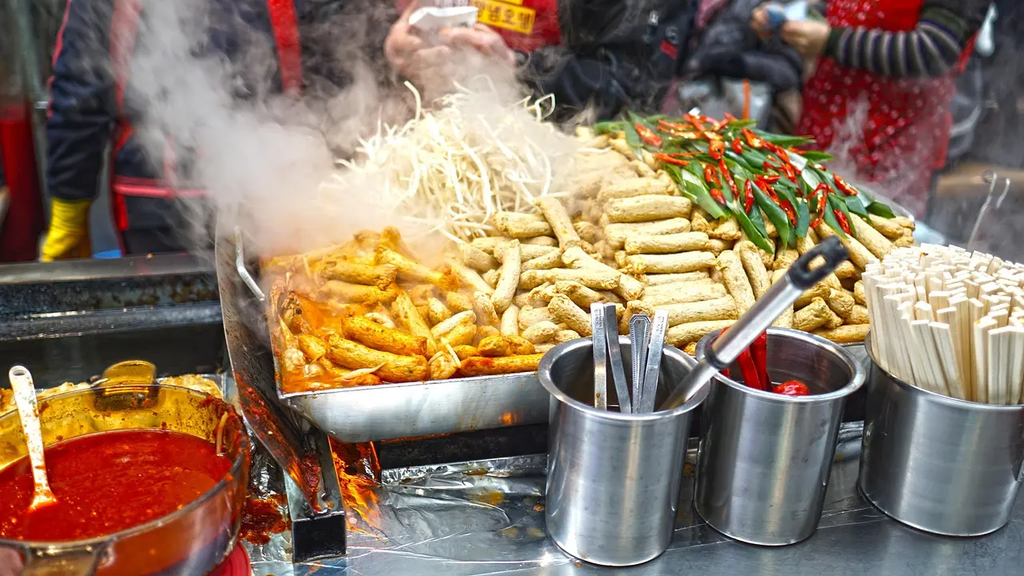
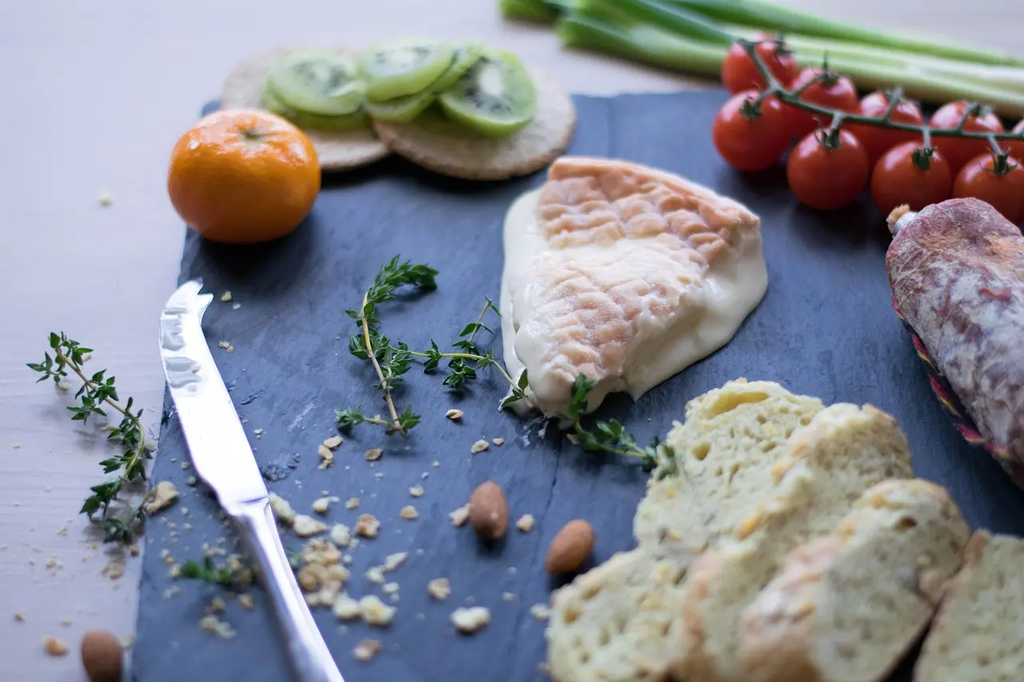
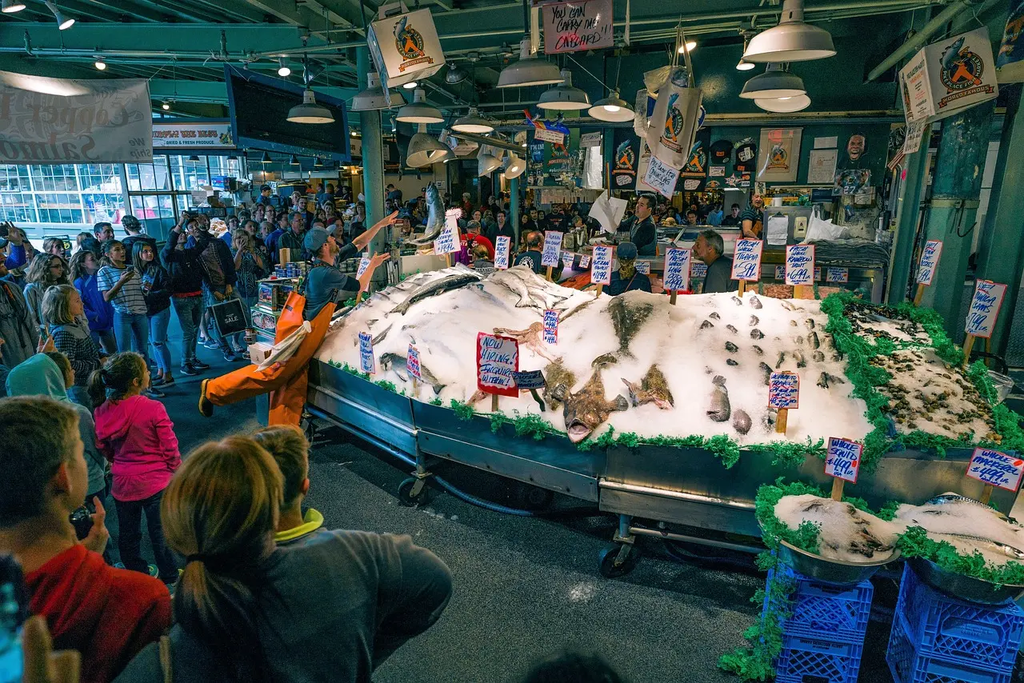
"Introduction to Food Styling" explores the art of presenting food in visually appealing ways, essential for cookbooks, advertisements, and social media. This segment teaches techniques to enhance a dish’s appearance, such as arranging ingredients, choosing props, and using lighting. As part of "Food Explorer: Identify the World’s Tastiest Dishes!", it encourages culinary enthusiasts to appreciate global flavors while mastering the skills to make dishes look as delicious as they taste.
Introduction to Food Styling
"Introduction to Food Styling" explores the art of presenting food in visually appealing ways, essential for cookbooks, advertisements, and social media. This segment teaches techniques to enhance a dish’s appearance, such as arranging ingredients, choosing props, and using lighting. As part of "Food Explorer: Identify the World’s Tastiest Dishes!", it encourages culinary enthusiasts to appreciate global flavors while mastering the skills to make dishes look as delicious as they taste.

💡 Key Takeaways
- Understand the purpose of food styling in making dishes look appetizing.
- Apply basic plating principles: balance, color contrast, and a clear focal point.
- Identify essential styling tools and simple props for quick, appealing setups.
- Learn how lighting and angles affect how food appears in photos and on menus.
❓ Frequently Asked Questions
What is food styling?
Food styling is the craft of preparing and arranging dishes to look appealing in photos, videos, or displays, focusing on color, texture, and composition while keeping the food realistic.
Why is lighting important for food styling?
Lighting highlights colors and textures, sets mood, and helps show details like glaze or steam clearly in visuals.
What are some basic plating principles for attractive food visuals?
Aim for balance and contrast (color, shape, texture), add height variation, keep edges clean, and use negative space and props to support the dish without overpowering it.
What tools do food stylists commonly use?
Tweezers, small brushes, misting bottles, spatulas, pastry bags, and food-safe adhesives or wires help position and finish ingredients precisely.