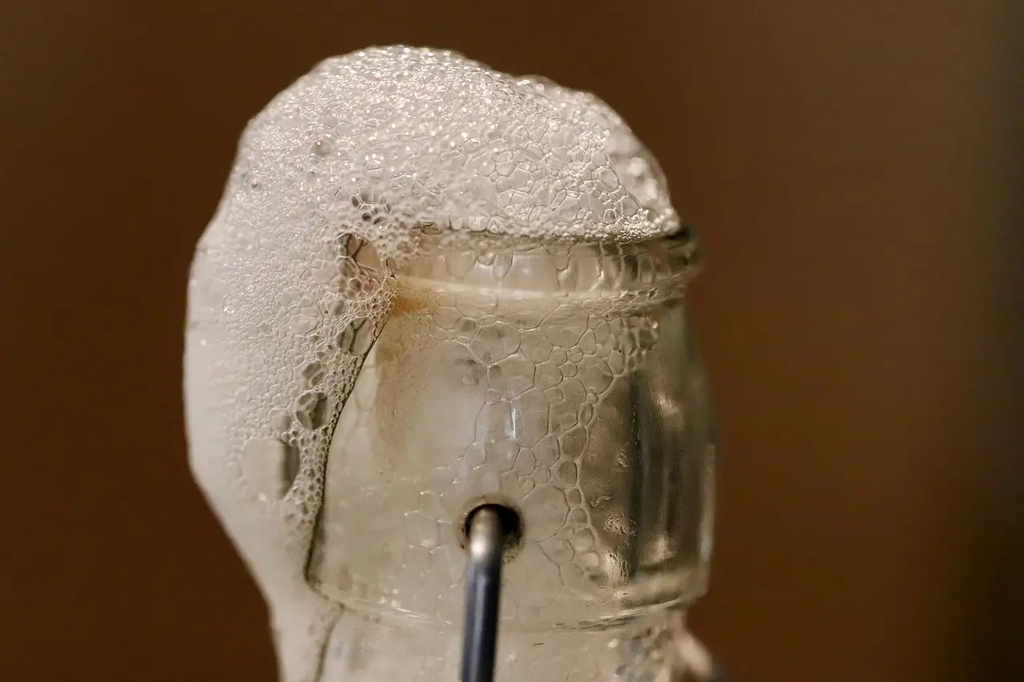
Molecular gastronomy is a scientific approach to cooking that explores how physical and chemical transformations affect food. By using innovative techniques and ingredients, chefs create unique textures, flavors, and presentations, transforming traditional dishes into extraordinary culinary experiences. This field encourages food explorers to experiment with new methods, such as spherification or foams, and discover some of the world’s tastiest and most visually stunning dishes, blending science with the art of cuisine.
Introduction to Molecular Gastronomy
Molecular gastronomy is a scientific approach to cooking that explores how physical and chemical transformations affect food. By using innovative techniques and ingredients, chefs create unique textures, flavors, and presentations, transforming traditional dishes into extraordinary culinary experiences. This field encourages food explorers to experiment with new methods, such as spherification or foams, and discover some of the world’s tastiest and most visually stunning dishes, blending science with the art of cuisine.

💡 Key Takeaways
- Understand the core idea of molecular gastronomy and how science informs modern cooking.
- Learn common techniques (spherification, foams, gels, emulsions) and how they create texture and flavor changes.
- Discover how temperature, pH, and ingredients influence texture, aroma, and taste perception.
- Explore real‑world kitchen applications, safety considerations, and essential tools used in molecular gastronomy.
❓ Frequently Asked Questions
What is molecular gastronomy?
A culinary approach that studies the science behind cooking to understand and control how ingredients transform, creating new textures and flavors.
What techniques are commonly used in molecular gastronomy?
Techniques include spherification, gelification, foams and emulsions, sous-vide cooking, precise temperature control, and the use of hydrocolloids to shape texture.
What is spherification?
A technique that forms liquid-filled spheres by dropping a liquid containing alginate into a calcium bath, creating a gel membrane that bursts in the mouth.
What are hydrocolloids and why are they important?
Substances like agar, alginate, gelatin, and xanthan gum that form gels or thicken liquids, enabling new textures and stabilizing foams or emulsions.