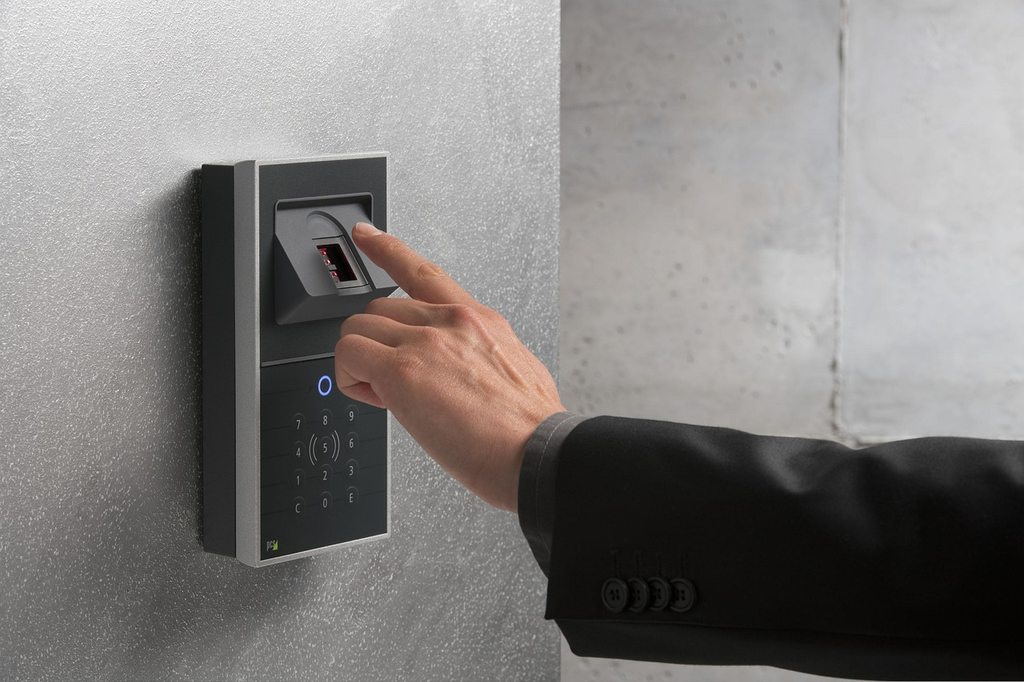
Keyless entry systems are modern security solutions that allow users to access homes, offices, or vehicles without traditional keys. Instead, they utilize methods such as keypads, smart cards, biometrics, or mobile apps to grant entry. These systems enhance convenience and safety, reducing the risk of lost or duplicated keys. As part of daily essentials, they streamline access management and are increasingly integrated with clocks and other smart home devices for added functionality.
Keyless Entry Systems
Keyless entry systems are modern security solutions that allow users to access homes, offices, or vehicles without traditional keys. Instead, they utilize methods such as keypads, smart cards, biometrics, or mobile apps to grant entry. These systems enhance convenience and safety, reducing the risk of lost or duplicated keys. As part of daily essentials, they streamline access management and are increasingly integrated with clocks and other smart home devices for added functionality.
💡 Key Takeaways
- Understand what a keyless entry system is and the main types (fobs, NFC/Bluetooth, and proximity).
- See how doors unlock without a key through signal exchange and authentication.
- Recognize common security risks (relay attacks, interception) and simple mitigation ideas.
- Compare keyless entry with traditional keys in terms of convenience, cost, and vulnerabilities.
❓ Frequently Asked Questions
What is a keyless entry system?
A system that unlocks doors without a traditional key, using devices or methods such as a fob, smart card, PIN, or smartphone app to verify access.
What are the main types of keyless entry used in homes and cars?
Common types include passive keyless entry (proximity fobs), remote keyless entry (transmit a signal), keypad entry (PINs), and smart locks (Bluetooth/Wi‑Fi/app-based).
How do keyless entry systems verify you are authorized?
They exchange cryptographic data or codes between the lock and your device (fob, card, or phone) to confirm a valid credential, often with rolling codes or challenge-response.
What are security considerations and how can I improve protection?
Be aware of risks like signal interception or relay attacks. Improve security by updating firmware, using shields for fobs, enabling auto-lock and alerts, using multi-factor or biometric options, and keeping the physical lock as a backup.