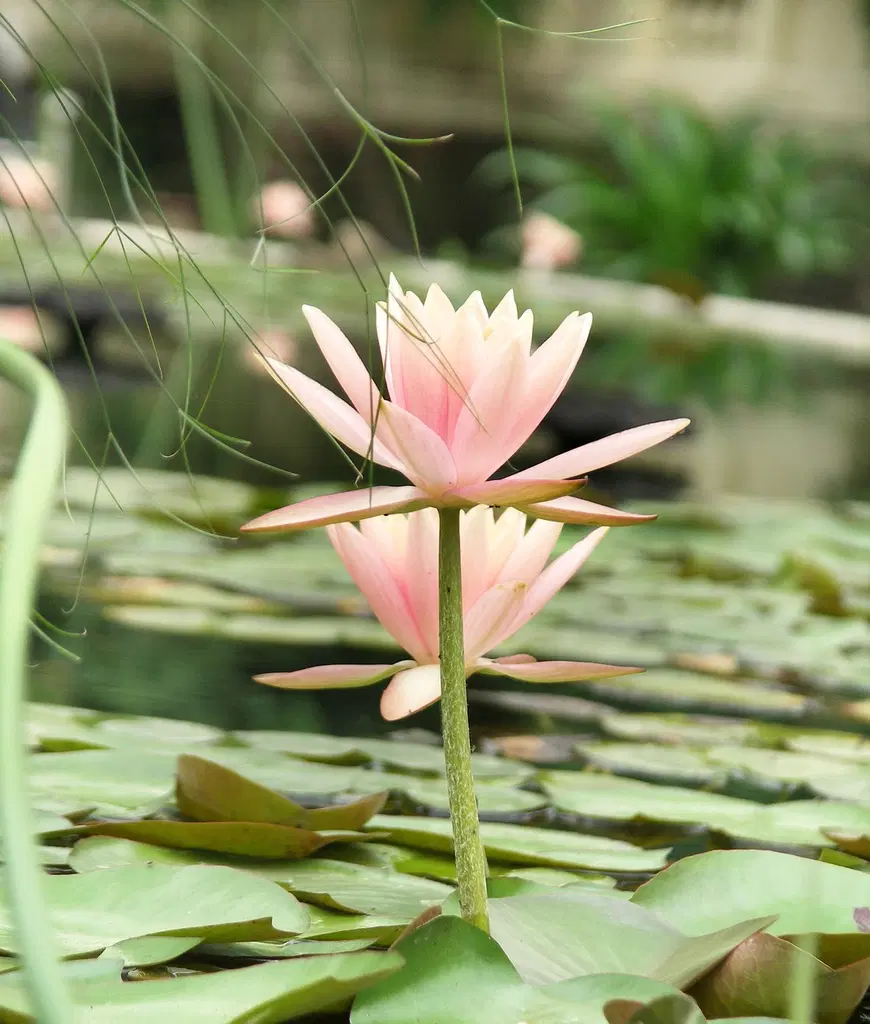
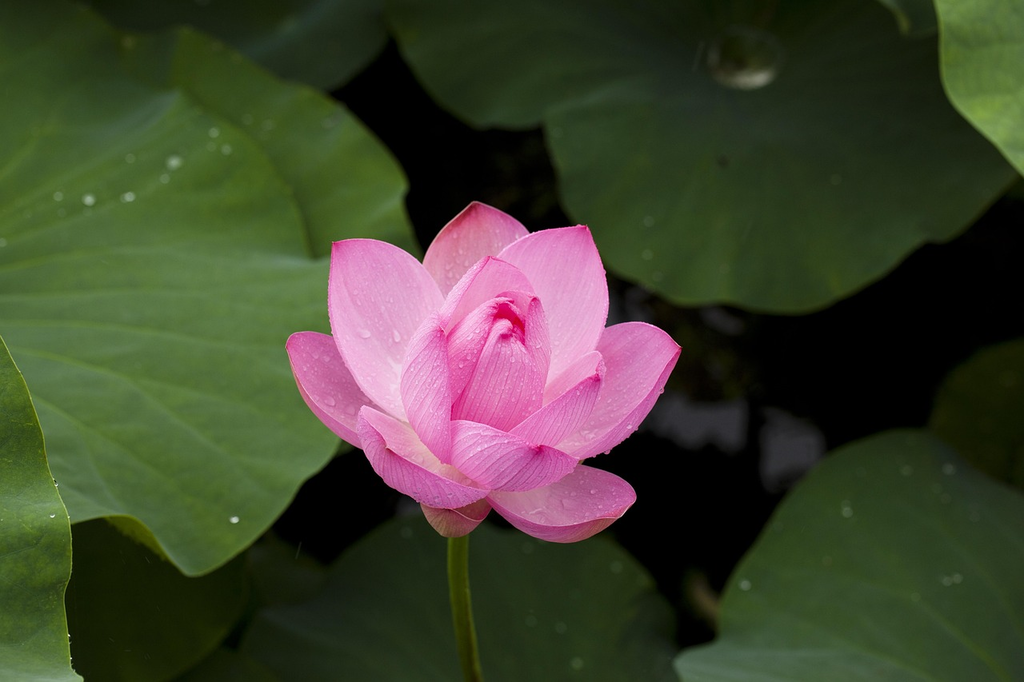
Lotus scent profiles are characterized by a delicate, aquatic freshness with subtle sweet and earthy undertones, distinctly different yet complementary to the rich, velvety aroma of blooming roses. While roses exude a classic, deep floral fragrance, lotuses offer a lighter, more ethereal scent reminiscent of tranquil water gardens. Together, these blooms create a harmonious blend, balancing the lush intensity of roses with the serene, airy essence of lotus flowers.
Lotus Scent Profiles
Lotus scent profiles are characterized by a delicate, aquatic freshness with subtle sweet and earthy undertones, distinctly different yet complementary to the rich, velvety aroma of blooming roses. While roses exude a classic, deep floral fragrance, lotuses offer a lighter, more ethereal scent reminiscent of tranquil water gardens. Together, these blooms create a harmonious blend, balancing the lush intensity of roses with the serene, airy essence of lotus flowers.
💡 Key Takeaways
- Identify the core aroma profile of lotus (floral, aquatic, subtly sweet notes).
- Distinguish common lotus scent variants used in perfumery and how they affect character.
- Learn when and how to pair lotus with citrus, green, or musk notes for balanced blends.
- Understand cultural and design considerations that influence lotus scent usage in products.
❓ Frequently Asked Questions
What is the lotus scent profile?
Lotus notes are light, clean, and floral with aquatic, luminous facets. They can feel honeyed or creamy depending on extraction, often evoking a sense of serenity.
How does lotus differ from other white florals like jasmine or gardenia?
Lotus tends to be lighter and more aquatic with a gentle sweetness. Jasmine and gardenia are typically richer and warmer; lotus often acts as a delicate heart note.
Where does lotus typically fit in a fragrance's structure?
Lotus is commonly used as a heart (middle) note, unfolding after the top notes and blending with greens or aquatic facets to lead into the base.
What moods or occasions suit lotus scents?
Lotus fragrances feel calm, fresh, and serene, making them great for daytime wear, spring/summer, and spa-like, tranquil settings.