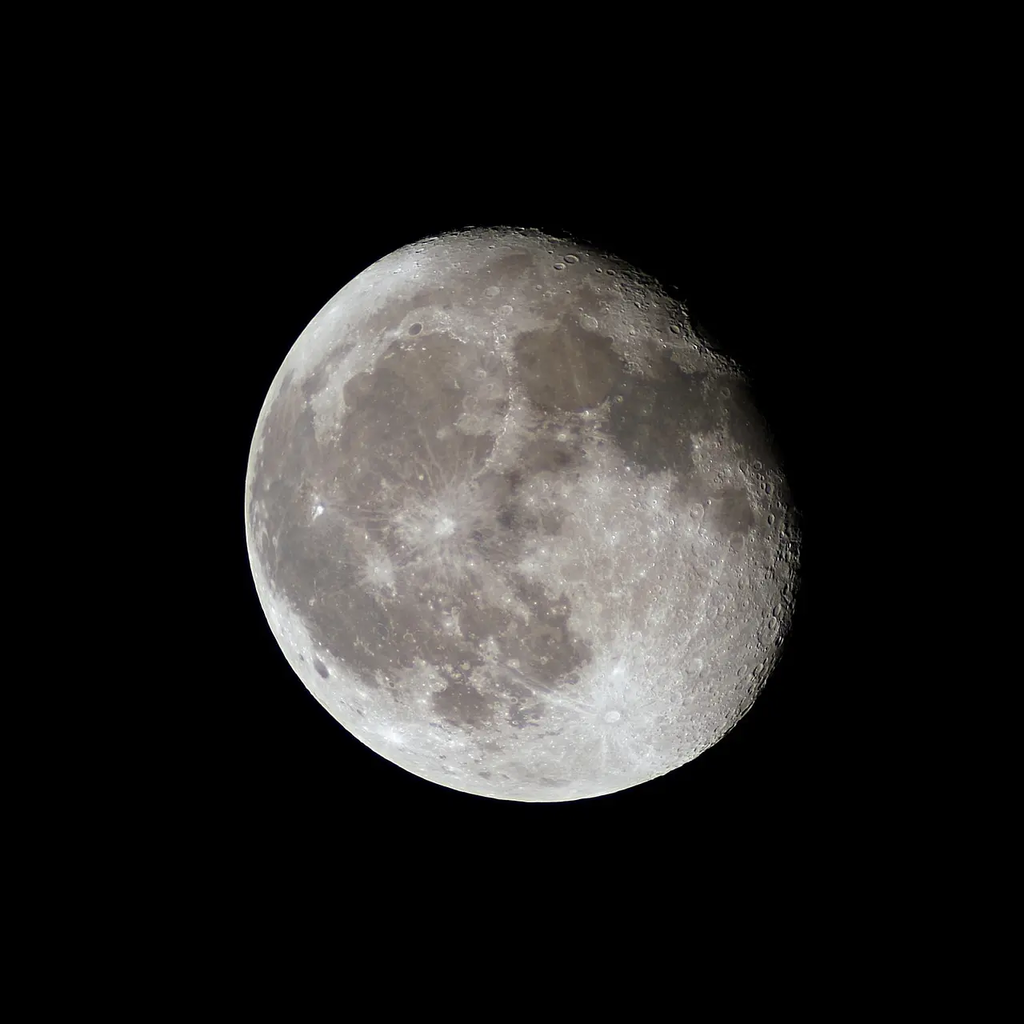
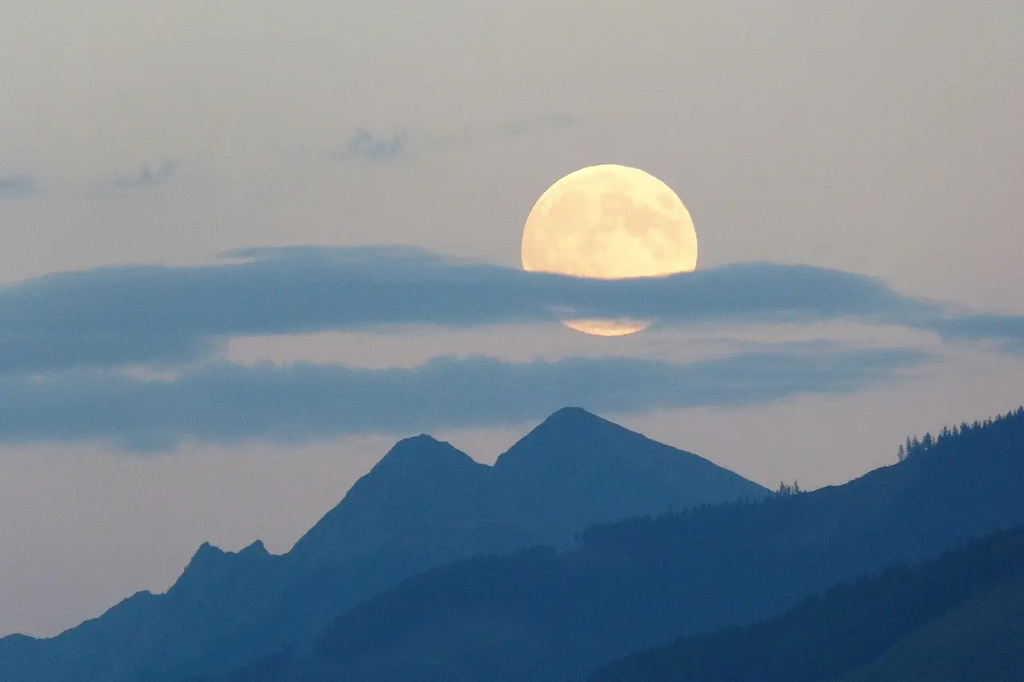
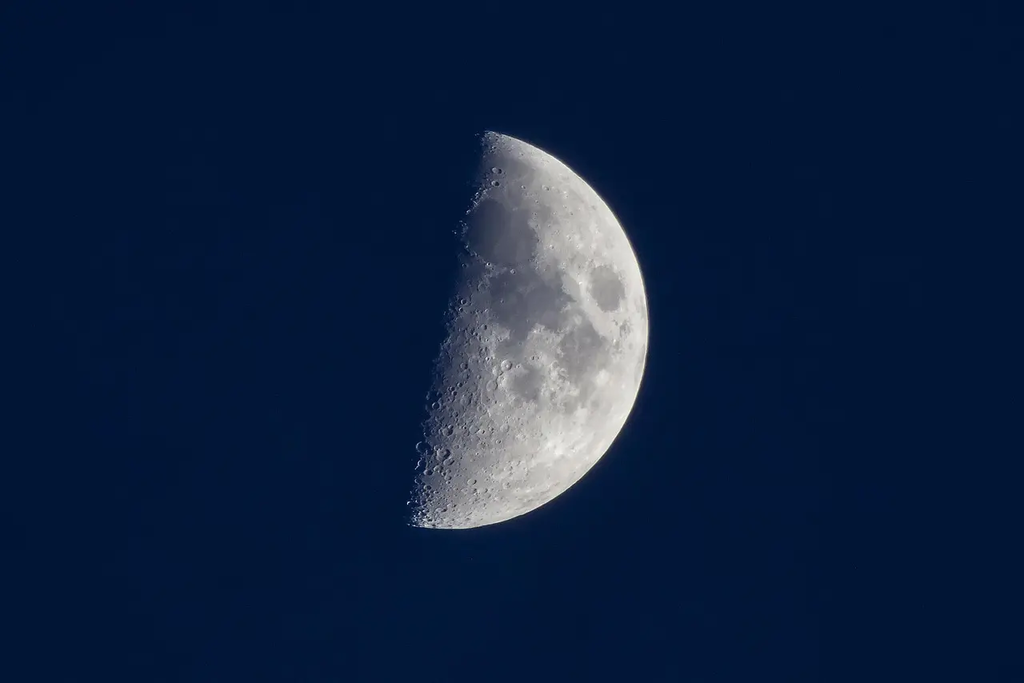
The Moon's influence on human behavior has long fascinated scientists and cultures alike. Its gravitational pull causes ocean tides, and some theories suggest it may affect human emotions, sleep patterns, and even mental health, particularly during the full moon. While folklore often attributes erratic behavior to lunar phases, scientific evidence remains inconclusive. Nonetheless, the Moon continues to inspire curiosity about its subtle effects on our daily lives and psychological well-being.
Moon's Influence on Human Behavior
The Moon's influence on human behavior has long fascinated scientists and cultures alike. Its gravitational pull causes ocean tides, and some theories suggest it may affect human emotions, sleep patterns, and even mental health, particularly during the full moon. While folklore often attributes erratic behavior to lunar phases, scientific evidence remains inconclusive. Nonetheless, the Moon continues to inspire curiosity about its subtle effects on our daily lives and psychological well-being.
💡 Key Takeaways
- Explore common myths vs. scientific evidence about the Moon's influence on behavior
- Examine how lunar phases may affect sleep, mood, and alertness
- Understand cultural and historical beliefs about the Moon and human behavior
- Learn how to design and interpret a simple study to test lunar effects
❓ Frequently Asked Questions
Does the Moon really affect human behavior?
Scientific reviews generally find no robust, consistent effects of Moon phases on behavior or mood; any reported changes are small or inconsistent.
Can the Moon influence sleep patterns?
Some sleep studies report minor changes around the full Moon, but results are inconsistent and effects, if any, are small. Sleep is more affected by light exposure and routines.
Are crime rates or hospital visits higher during a full Moon?
Most analyses find no reliable increase; apparent fluctuations are not consistently observed and may be due to chance or other factors.
Why do lunar myths persist?
Cultural beliefs, confirmation bias, and memorable anecdotes can create a sense of a Moon effect even when scientific evidence is weak.