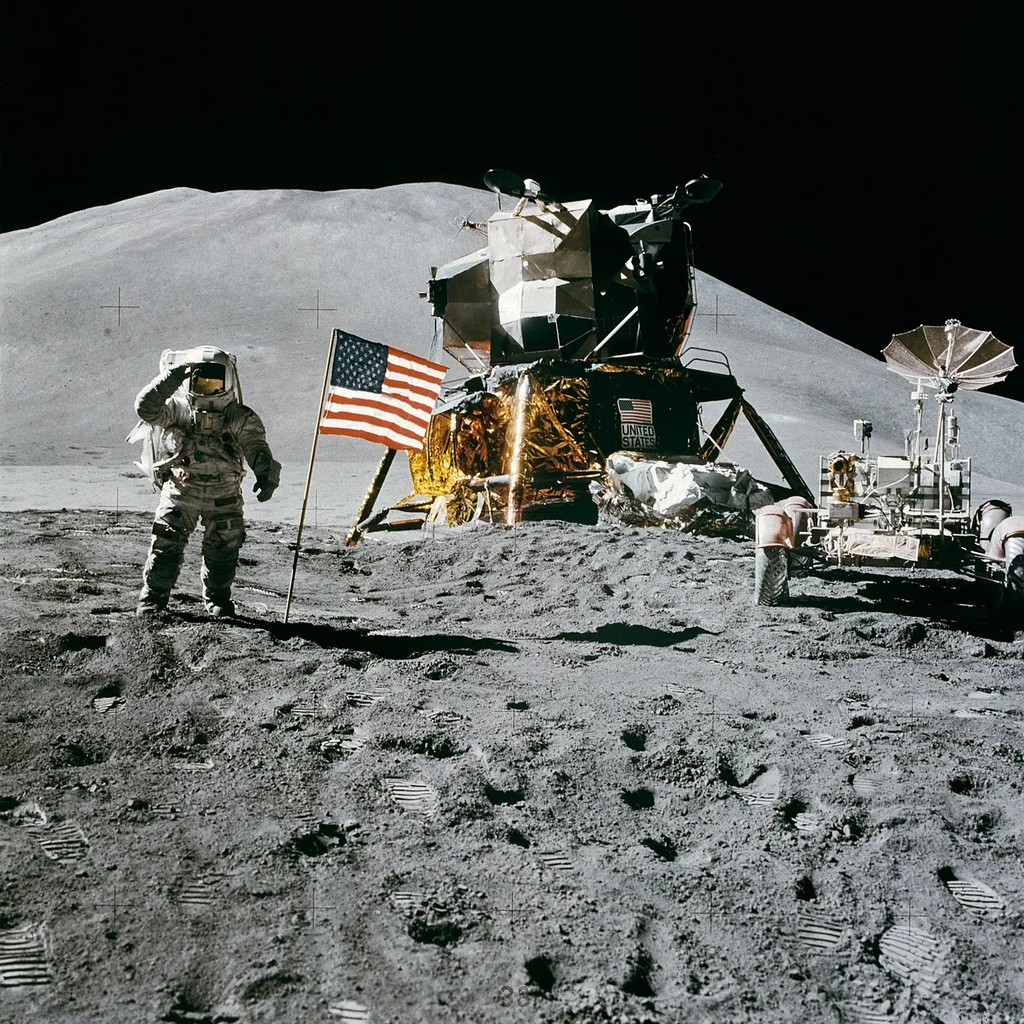
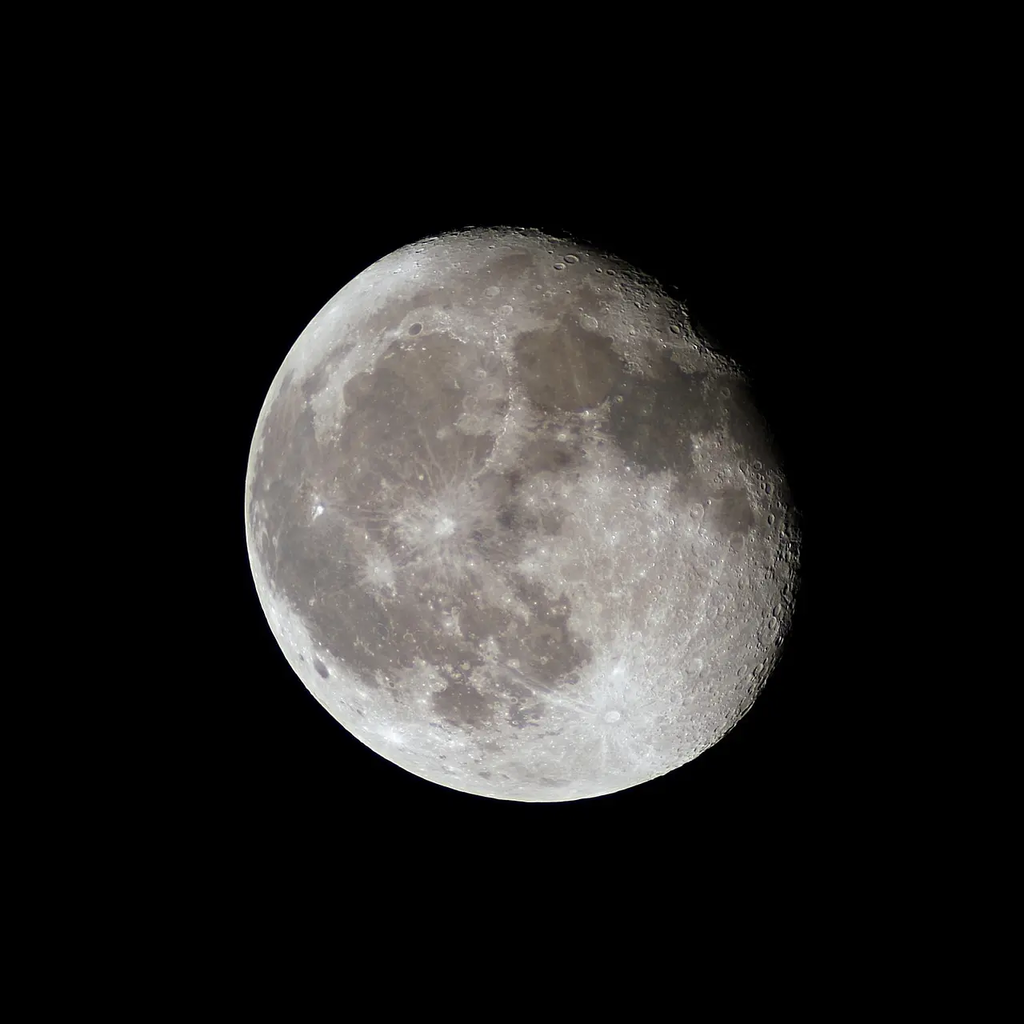
The Moon is poised to play a pivotal role in the future of space exploration, serving as a strategic outpost for scientific research, technology testing, and as a launchpad for deeper missions into the solar system. Its proximity to Earth makes it an ideal location for establishing bases, extracting resources, and developing infrastructure that can support sustained human presence and future journeys to Mars and beyond.
Moon's Role in Space Exploration Future
The Moon is poised to play a pivotal role in the future of space exploration, serving as a strategic outpost for scientific research, technology testing, and as a launchpad for deeper missions into the solar system. Its proximity to Earth makes it an ideal location for establishing bases, extracting resources, and developing infrastructure that can support sustained human presence and future journeys to Mars and beyond.

💡 Key Takeaways
- Understand how the Moon serves as a stepping-stone for deeper space exploration and tech testing.
- Learn how lunar resources, like water ice, enable life support and fuel through ISRU.
- Explore how a sustainable lunar presence supports operations, infrastructure, and communications for future missions.
- Get an overview of Artemis and international partnerships shaping the Moon's exploration future.
❓ Frequently Asked Questions
What is the Moon's role in the future of space exploration?
The Moon acts as a nearby stepping-stone for deeper space missions, providing a testbed for habitats, life-support, propulsion concepts, and learning how to use lunar resources.
What resources on the Moon could support exploration?
Water ice in shadowed regions can be processed into water and split into hydrogen and oxygen for life support and fuel; lunar regolith can be used for construction, and solar power can support bases.
What is a lunar gateway and why is it important?
A lunar gateway is an orbiting hub around the Moon that enables crew transfer, science operations, and communications, serving as a staging point for lunar landings and deeper missions.
How does the Moon enable science and technology development?
The Moon provides a unique environment to test habitats, life-support systems, ISRU, robotics, and long-duration operations, and its far side offers quiet conditions for certain scientific experiments.