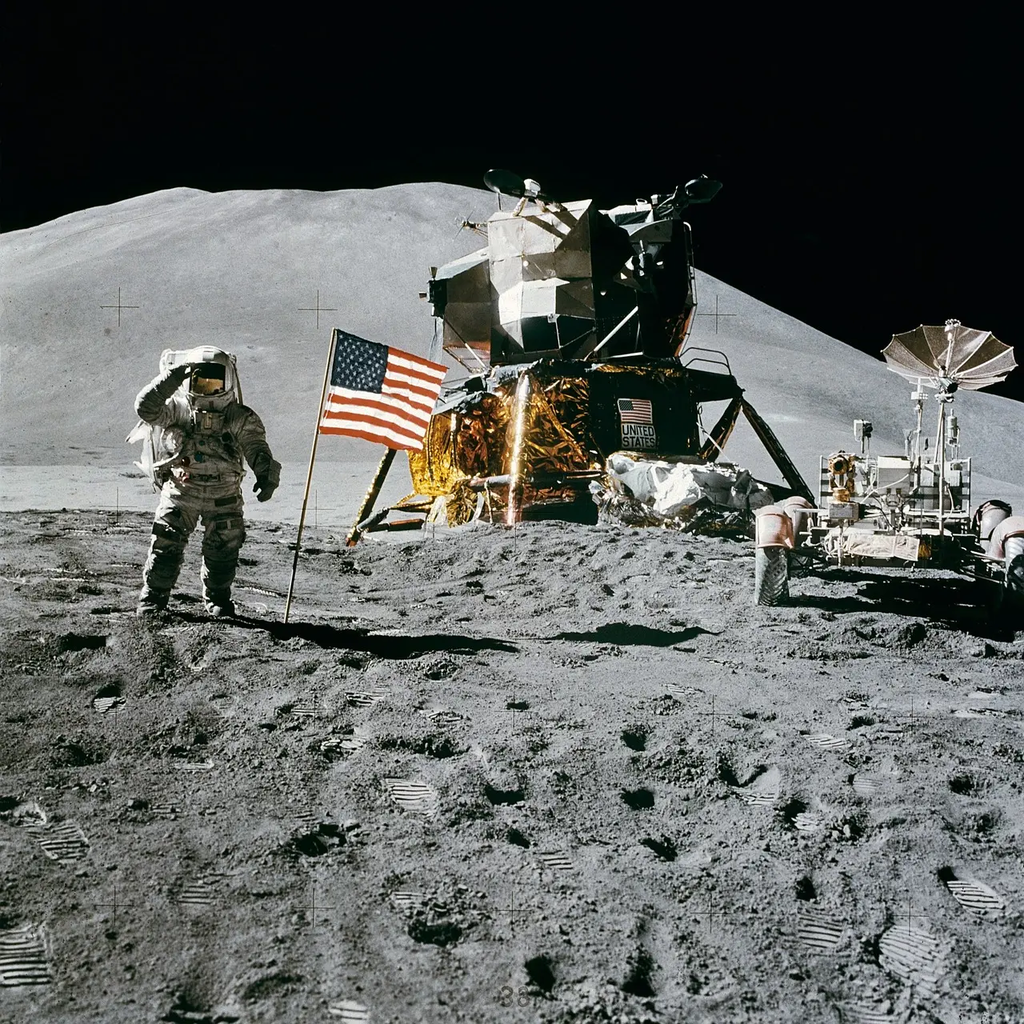
The Moon has played a pivotal role in advancing space technology, serving as both a destination and a testing ground for innovative spacecraft and exploration methods. Lunar missions have driven developments in propulsion, robotics, remote sensing, and life-support systems. Technologies refined for Moon exploration, such as precise landing techniques and resource utilization, have broader applications in space travel, paving the way for future missions to Mars and beyond while expanding our scientific and technological frontiers.
Moon's Role in Space Technological Innovation
The Moon has played a pivotal role in advancing space technology, serving as both a destination and a testing ground for innovative spacecraft and exploration methods. Lunar missions have driven developments in propulsion, robotics, remote sensing, and life-support systems. Technologies refined for Moon exploration, such as precise landing techniques and resource utilization, have broader applications in space travel, paving the way for future missions to Mars and beyond while expanding our scientific and technological frontiers.
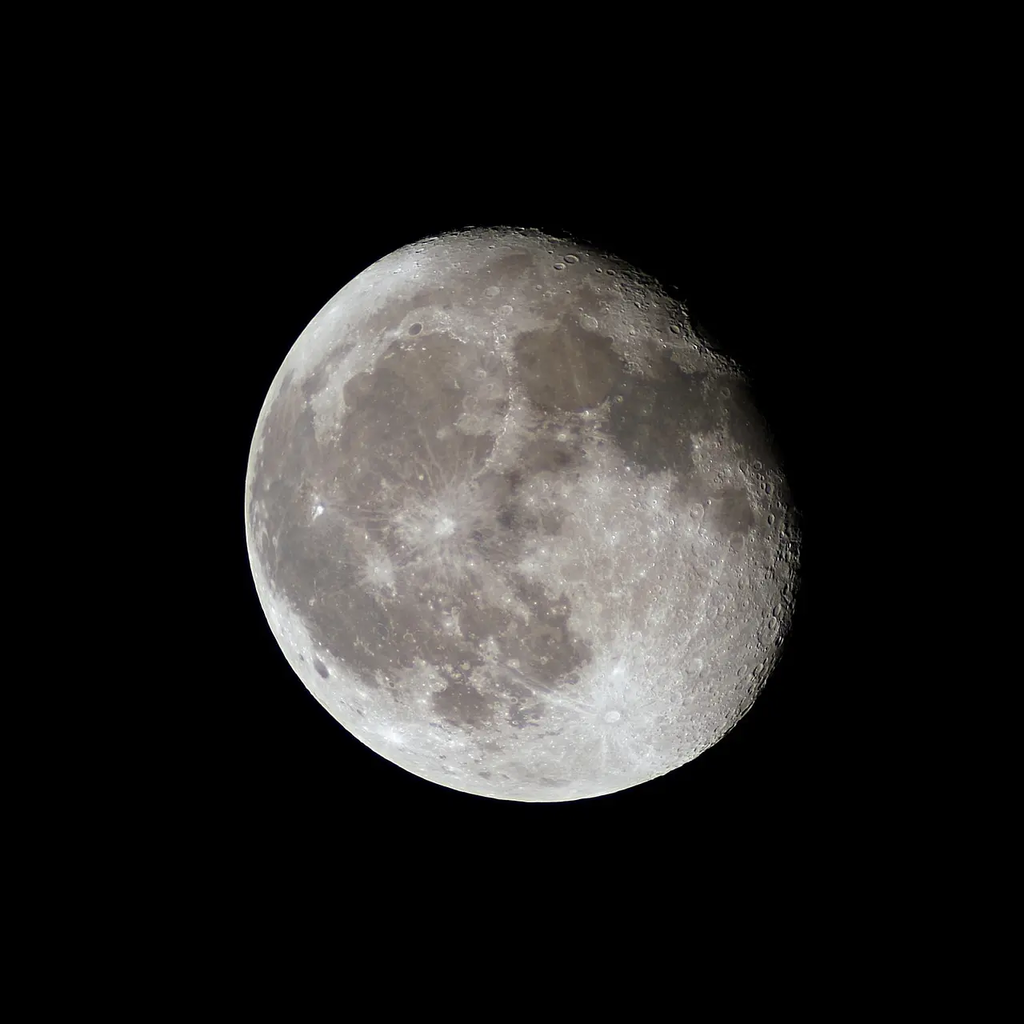
💡 Key Takeaways
- Moon as a testbed for precision landing, rover autonomy, and teleoperation in extreme conditions, driving advances in robotics and control systems.
- In-situ resource utilization concepts, like extracting water ice and oxygen from lunar regolith, inspiring new life-support, fuel production, and sustainable operations.
- Lunar environment challenges—radiation, temperature swings, dust—accelerating developments in shielding, materials, thermal management, and habitat design.
- Collaboration and shared standards in lunar missions stimulate technology transfer, interoperability, and new business models for space startups and international partners.
- Space power and energy storage tech tested on the Moon—solar arrays, batteries, and power management informing long-duration space habitats.
❓ Frequently Asked Questions
How did the Moon missions spur advances in computer technology and software?
The Apollo program required compact, reliable computing, driving advances in integrated circuits, microelectronics, and software engineering that influenced later computing technology.
What Moon experiments contributed to navigation and measurement tech?
Lunar laser ranging retroreflectors enable precise Earth–Moon distance measurements, improving navigation accuracy and tests of gravitational physics.
How did Moon missions push robotics and remote operation?
Moon missions advanced robotics and teleoperation through autonomous landing, sample collection, and rover concepts, informing future space robotics.
In what ways did the Moon drive materials, power, and life-support tech?
Surface missions spurred durable materials, radiation shielding, dust mitigation, and robust solar power systems, plus concepts for closed-loop life support.