Pencil Drawing Fundamentals refers to the essential techniques and principles needed to create effective pencil artwork. It includes understanding how to hold and control the pencil, mastering shading and blending, learning about light and shadow, and developing skills in proportion, perspective, and composition. These basics form the foundation for more advanced drawing, helping artists accurately represent shapes, textures, and details in their sketches and finished pieces.
Pencil Drawing Fundamentals
Pencil Drawing Fundamentals refers to the essential techniques and principles needed to create effective pencil artwork. It includes understanding how to hold and control the pencil, mastering shading and blending, learning about light and shadow, and developing skills in proportion, perspective, and composition. These basics form the foundation for more advanced drawing, helping artists accurately represent shapes, textures, and details in their sketches and finished pieces.
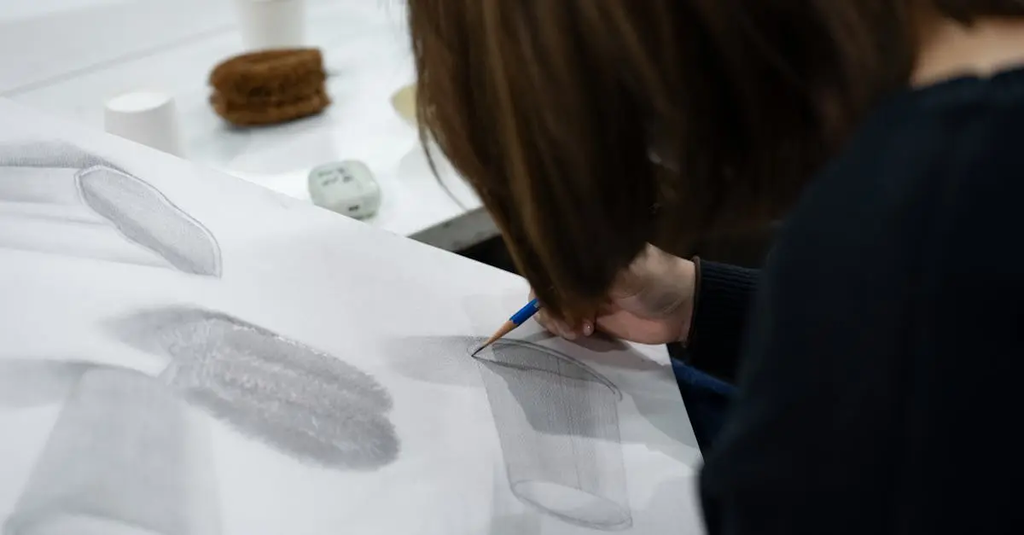
💡 Key Takeaways
- Master a comfortable, precise pencil grip and hand position for control.
- Build shading and blending skills to create realistic value and depth.
- Analyze light and shadow to model form and contrast accurately.
- Develop accuracy in proportion and perspective for believable drawings.
❓ Frequently Asked Questions
What are Pencil Drawing Fundamentals?
The core skills for creating convincing pencil art, including grip and control, line work, shading and blending, as well as understanding light, shadow, proportion, and perspective.
How should you hold and control a pencil for accurate drawing?
Hold the pencil loosely near the tip for precision, use smooth wrist/arm movements, and apply a light touch to build tones gradually.
What is shading and blending, and why are they important?
Shading creates values to imply form; blending smooths transitions between tones. Practice gradients and use tools like a blending stump, tissues, or a fingertip to soften edges.
How do proportion and perspective affect pencil drawings?
Proportion ensures correct size relationships; perspective adds depth using vanishing points and horizon lines. Use measurement techniques and simple grids to train accuracy.