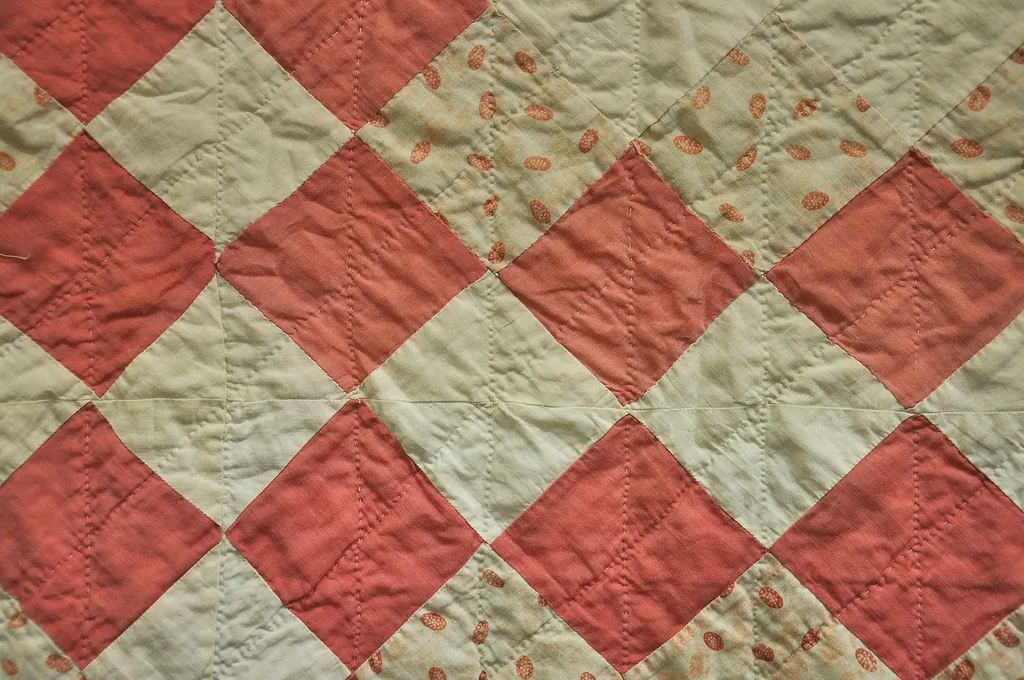
Quilt design and patchwork refer to the creative process of arranging and sewing together small pieces of fabric to form intricate patterns and designs on a quilt. Patchwork involves selecting fabrics of various colors, shapes, and textures, then stitching them in a planned layout. This craft combines artistic vision with technical skill, resulting in unique, visually appealing quilts that often reflect cultural traditions, personal stories, or decorative themes.
Quilt Design and Patchwork
Quilt design and patchwork refer to the creative process of arranging and sewing together small pieces of fabric to form intricate patterns and designs on a quilt. Patchwork involves selecting fabrics of various colors, shapes, and textures, then stitching them in a planned layout. This craft combines artistic vision with technical skill, resulting in unique, visually appealing quilts that often reflect cultural traditions, personal stories, or decorative themes.
💡 Key Takeaways
- Grasp the core concepts of quilt design: patterns, blocks, and how they come together in a quilt top.
- Learn fabric selection and color theory to create contrast, balance, and visual rhythm in patchwork.
- Master essential patchwork techniques: precise cutting, accurate seams, and reliable piecing.
- Understand the entire quilt-making process: from cutting and stitching to basting, quilting, and finishing (binding).
❓ Frequently Asked Questions
What is patchwork in quilt design?
Patchwork is the craft of sewing together small fabric pieces to create a larger design or quilt top, using varied colors, shapes, and textures.
How is quilting different from patchwork?
Patchwork focuses on cutting and joining fabric pieces; quilting is the stitching that secures the quilt top to batting and backing, forming the quilt’s layers and texture.
What are some common quilt block patterns?
Common blocks include nine-patch (nine small squares), log cabin (center plus surrounding strips), and flying geese (triangles forming geese). Blocks are combined to create larger designs.
What tools are essential for quilt design and patchwork?
Essential tools: rotary cutter, cutting mat, rulers, sharp scissors, pins or clips, sewing machine, thread, needles, iron/press, and a seam ripper for mistakes.