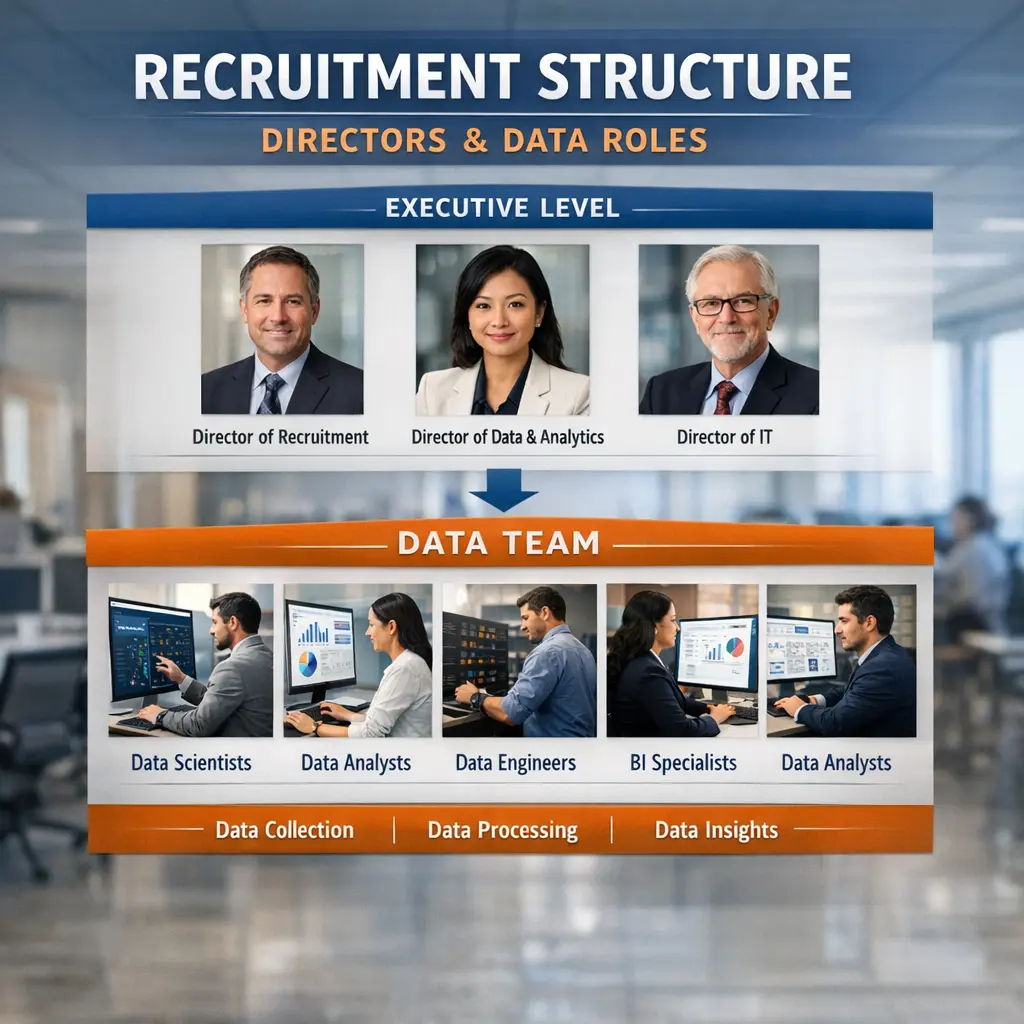
The recruitment structure at Chelsea F.C. involves a hierarchical system where directors oversee the strategic vision and decision-making for player acquisitions and squad development. Data roles, such as analysts and data scientists, support these directors by providing detailed insights, performance metrics, and statistical evaluations of potential signings. This collaborative approach ensures that recruitment decisions are informed by both expert judgment and data-driven analysis, optimizing the club’s talent identification and transfer activities.
Recruitment Structure: Directors and Data Roles
The recruitment structure at Chelsea F.C. involves a hierarchical system where directors oversee the strategic vision and decision-making for player acquisitions and squad development. Data roles, such as analysts and data scientists, support these directors by providing detailed insights, performance metrics, and statistical evaluations of potential signings. This collaborative approach ensures that recruitment decisions are informed by both expert judgment and data-driven analysis, optimizing the club’s talent identification and transfer activities.
💡 Key Takeaways
- Understand the recruitment structure for directors and data-focused roles.
- Identify typical data roles (data engineer, data analyst, data scientist) and their place in the org.
- Learn how directors define requirements and assess candidates for data roles.
- Explore how hiring decisions align with data strategy, governance, and cross-functional collaboration.
❓ Frequently Asked Questions
What is a recruitment structure involving Directors?
It's a framework where senior leaders set strategy and governance for hiring, while hiring managers and recruiters handle day-to-day execution and candidate selection.
What are 'data roles' in the context of recruitment?
Data roles are positions that require data expertise (e.g., Data Scientist, Data Engineer, Analytics roles). The recruitment process should define required skills, assess candidates fairly, and track progress for these roles.
How does a data-driven approach benefit recruitment?
It uses metrics to guide decisions, optimize sourcing, reduce bias, and forecast hiring needs (e.g., time-to-fill, source effectiveness, quality of hire).
What responsibilities do Directors have in recruitment governance?
Directors set strategy and budget, establish standards and compliance, monitor metrics, and align recruitment with business goals and diversity targets.