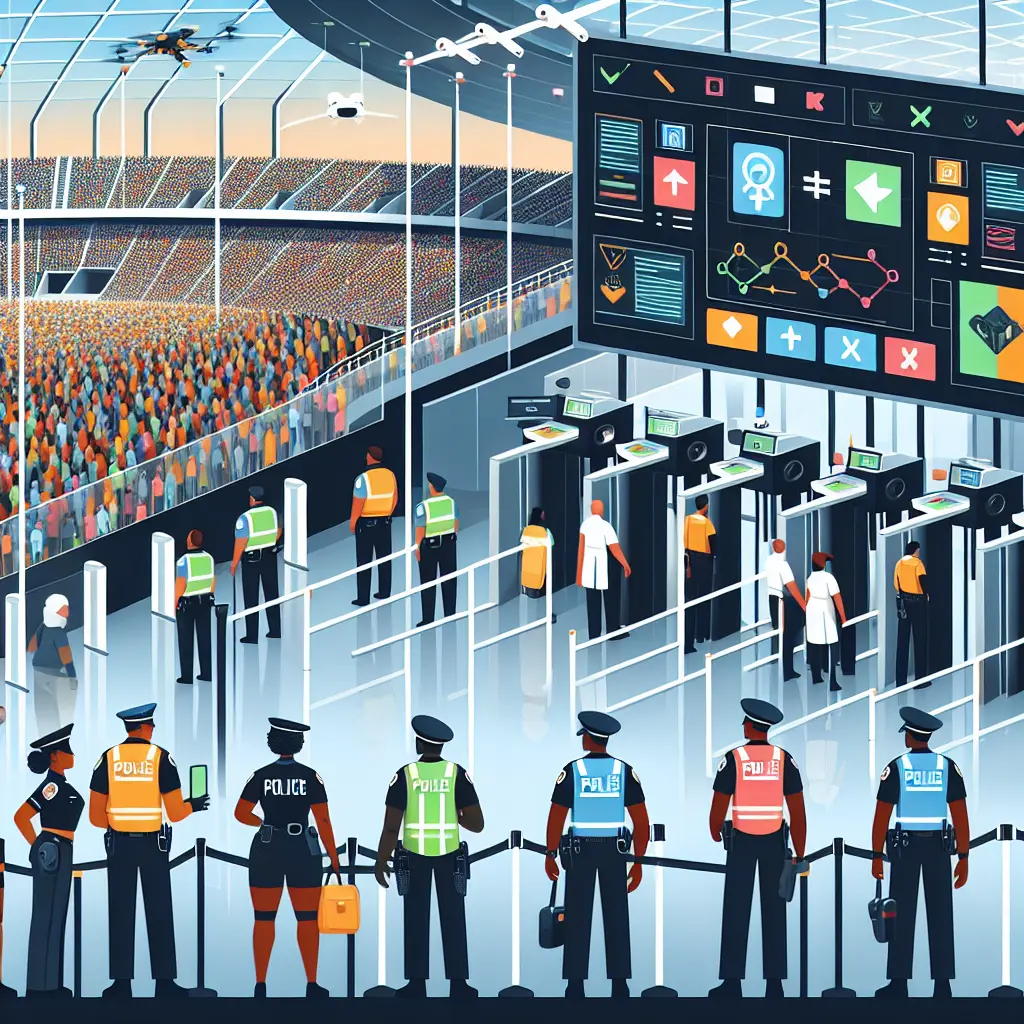
Security, Policing & Risk Management at Events refers to the coordinated efforts to ensure the safety of attendees, staff, and assets during public or private gatherings. This involves deploying security personnel, collaborating with law enforcement, assessing potential risks, and implementing measures to prevent incidents such as theft, violence, or emergencies. Effective management minimizes threats, ensures compliance with laws, and fosters a secure environment, allowing events to proceed smoothly and safely for everyone involved.
Security, Policing & Risk Management at Events
Security, Policing & Risk Management at Events refers to the coordinated efforts to ensure the safety of attendees, staff, and assets during public or private gatherings. This involves deploying security personnel, collaborating with law enforcement, assessing potential risks, and implementing measures to prevent incidents such as theft, violence, or emergencies. Effective management minimizes threats, ensures compliance with laws, and fosters a secure environment, allowing events to proceed smoothly and safely for everyone involved.
💡 Key Takeaways
- Identify common risk factors at events and how to assess them.
- Explain coordination between security personnel, event staff, and law enforcement for incident response.
- Describe crowd management, access control, and clear communication during emergencies.
- Outline essential risk mitigation measures such as surveillance, incident reporting, evacuation planning, and post-event debriefs.
❓ Frequently Asked Questions
What is the goal of security, policing and risk management at events?
To keep attendees, staff, and assets safe by preventing incidents, detecting risks quickly, and coordinating effective responses during gatherings.
Who is typically involved in event security operations?
Security personnel and stewards, venue safety staff, risk managers, medical responders, and liaison officers who work with local police and emergency services.
What is a risk assessment and why is it done for events?
A process to identify hazards, assess their likelihood and impact, and determine measures to reduce risk and plan contingencies.
What are common safety measures used at events?
Controlled access and bag checks, crowd management plans, surveillance and lighting, clear emergency exits, robust communication, medical support, and incident response procedures.