Serengeti National Park, located in Tanzania, is renowned for its vast savannahs, diverse wildlife, and the spectacular annual migration of over a million wildebeest and zebras. As one of the world’s most celebrated natural wonders, it offers breathtaking landscapes and is home to the “Big Five” animals. The park’s ecological significance, rich biodiversity, and unspoiled beauty make it a landmark destination for nature lovers and wildlife enthusiasts worldwide.
Serengeti National Park
Serengeti National Park, located in Tanzania, is renowned for its vast savannahs, diverse wildlife, and the spectacular annual migration of over a million wildebeest and zebras. As one of the world’s most celebrated natural wonders, it offers breathtaking landscapes and is home to the “Big Five” animals. The park’s ecological significance, rich biodiversity, and unspoiled beauty make it a landmark destination for nature lovers and wildlife enthusiasts worldwide.
💡 Key Takeaways
- Understand the annual wildebeest and zebra migration and its ecological impact.
- Identify key Serengeti habitats, wildlife species, and their behaviors.
- Learn about conservation efforts and challenges facing the park.
- Discover safe, respectful safari practices and visitor etiquette.
❓ Frequently Asked Questions
What is Serengeti National Park?
A protected wildlife park in northern Tanzania, known for vast plains, abundant wildlife, and the annual migration; part of the UNESCO World Heritage Serengeti ecosystem.
What is the Serengeti migration?
An annual movement of millions of wildebeest, zebras, and gazelles in search of fresh grazing and water, often featuring dramatic river crossings and predators.
What wildlife can visitors expect to see?
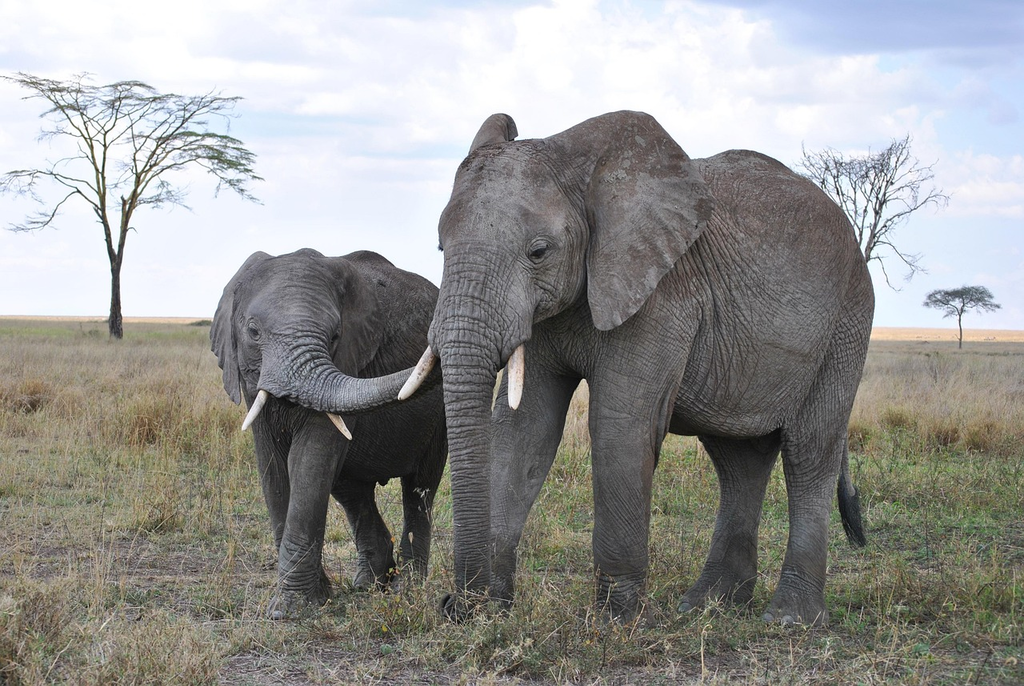
Wildebeest, zebras, and gazelles in large herds, plus predators like lions, leopards, and cheetahs, as well as elephants, giraffes, hippos, and Nile crocodiles along rivers.
When is the best time to visit Serengeti?
Dry season (June–October) offers strong wildlife viewing; river crossings peak in July–October. February–March brings calving in the southern Serengeti, while November–December and March–May are rainier but less crowded.