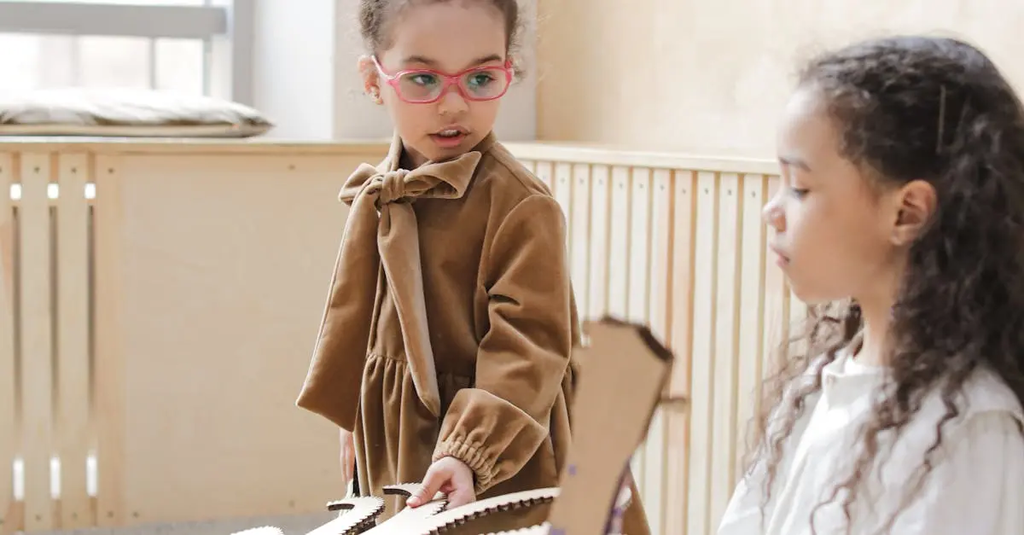
Socialization best practices refer to effective methods and strategies for helping individuals, especially children or newcomers, adapt to social environments. These practices include encouraging open communication, modeling positive behavior, fostering inclusive group activities, and providing consistent feedback. They also emphasize the importance of empathy, active listening, and respect for diversity. By implementing these approaches, individuals can develop strong interpersonal skills, build healthy relationships, and integrate smoothly into various social settings.
Socialization Best Practices
Socialization best practices refer to effective methods and strategies for helping individuals, especially children or newcomers, adapt to social environments. These practices include encouraging open communication, modeling positive behavior, fostering inclusive group activities, and providing consistent feedback. They also emphasize the importance of empathy, active listening, and respect for diversity. By implementing these approaches, individuals can develop strong interpersonal skills, build healthy relationships, and integrate smoothly into various social settings.
💡 Key Takeaways
- Understand how early socialization with people and other animals helps pets feel secure, reduce fear, and prevent behavior problems.
- Learn step-by-step methods for encouraging positive interactions, such as gradual exposure, pairing with rewards, and consistent cues.
- Identify body language and stress signals in pets during socialization and know when to pause, slow the pace, or seek professional guidance.
- Apply inclusive practices that involve caregivers, children, and newcomers by modeling calm behavior, setting clear boundaries, and organizing safe, supervised group activities.
❓ Frequently Asked Questions
What is socialization in the context of pets and animals?
Socialization is the process of exposing a pet to a variety of people, animals, environments, and situations in a positive, controlled way to build confident, well‑behaved behavior.
When is the best time to start socializing a puppy or kitten?
Start early: puppies typically benefit from socialization during roughly 3–14 weeks of age; kittens during their first few months. Continue positive exposures throughout life.
What techniques promote safe and effective socialization with children or new people?
Use calm introductions, supervised interactions, and rewards for calm behavior; let your pet approach at its own pace; provide a safe space; teach kids to read body language and respect boundaries.
How can you tell a pet is stressed during socialization and what should you do?
Signs of stress include stiff posture, tucked tail, flattened ears, lip licking, yawning, panting, or avoidance. Pause, remove stressors, provide a quiet space, and gradually reintroduce at a slower pace.
What are common mistakes to avoid in pet socialization?
Forcing interactions, rewarding fear or aggression, skipping gradual exposure, using punishment, not supervising, exposing to too many new stimuli at once, or neglecting play and rest.