A dog’s diet plays a crucial role in supporting its immune system. Proper nutrition provides essential vitamins, minerals, and antioxidants that help strengthen immune defenses, making dogs more resilient to infections and diseases. Poor or unbalanced diets can weaken immunity, increasing susceptibility to illness. Including high-quality proteins, healthy fats, and a variety of nutrients ensures optimal immune function, overall health, and longevity for dogs.
The Impact of Diet on Dog Immune System
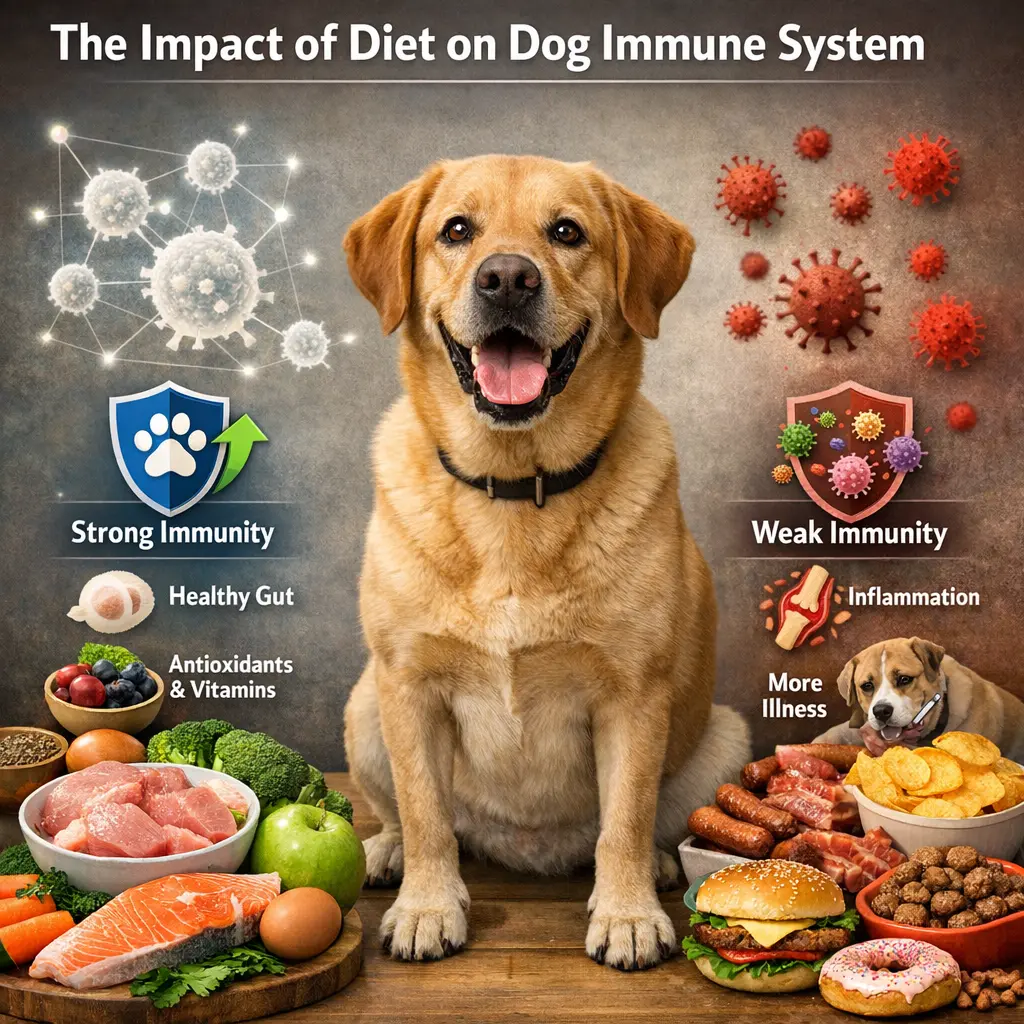
A dog’s diet plays a crucial role in supporting its immune system. Proper nutrition provides essential vitamins, minerals, and antioxidants that help strengthen immune defenses, making dogs more resilient to infections and diseases. Poor or unbalanced diets can weaken immunity, increasing susceptibility to illness. Including high-quality proteins, healthy fats, and a variety of nutrients ensures optimal immune function, overall health, and longevity for dogs.
💡 Key Takeaways
- Learn which nutrients support a dog's immune system (protein, vitamins, minerals).
- Understand how gut health and the microbiome influence immunity (probiotics, prebiotics, fiber).
- Identify how diet quality, processing, and potential allergens affect immune function.
- Discover practical dietary strategies to support immunity, including balanced diets and safe transitions.
❓ Frequently Asked Questions
How does diet affect a dog's immune system?
A balanced diet provides proteins, vitamins, minerals, and essential fats that immune cells need, and supports a healthy gut microbiome, which plays a key role in immunity.
Which nutrients are especially important for canine immune health?
Key nutrients include high-quality protein, omega-3 fatty acids (EPA/DHA), antioxidants (vitamins A, C, E), minerals like zinc and selenium, and dietary fiber to support gut bacteria.
Can the right diet help reduce infections or illness in dogs?
A nutritious diet supports immune function and recovery, but it doesn’t replace vaccines or veterinary care. Consistency and gradual dietary changes matter.
How does gut health relate to immunity in dogs?
A large portion of immune activity occurs in the gut. Fiber, prebiotics, and beneficial bacteria help maintain a healthy gut, which supports overall immune responses.