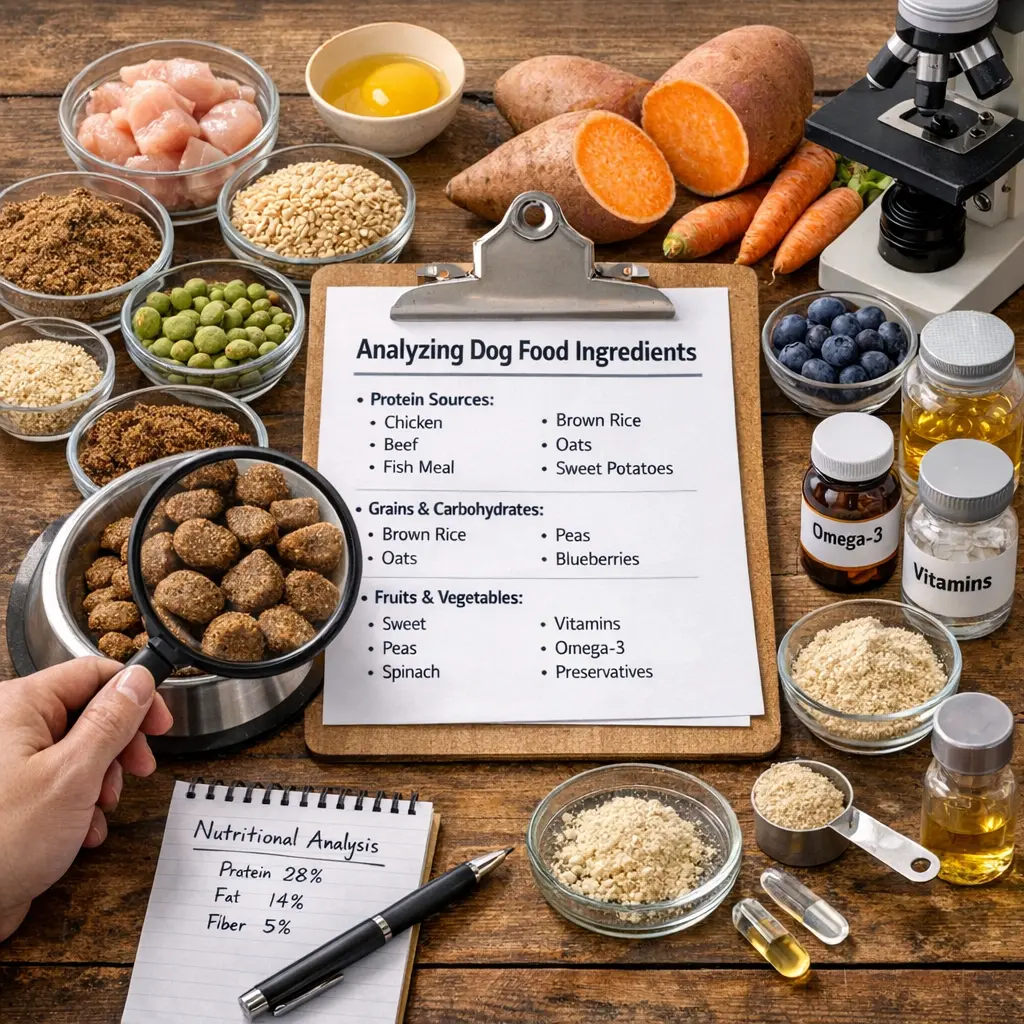
A dog’s diet plays a crucial role in its longevity and aging process. Proper nutrition supports immune function, maintains healthy weight, and reduces the risk of chronic diseases. Diets rich in essential nutrients, antioxidants, and balanced proteins help slow cellular aging and promote vitality. Conversely, poor nutrition can accelerate age-related decline, leading to obesity, joint issues, and decreased lifespan. Thus, a well-balanced diet is vital for a dog’s long-term health and quality of life.
The Impact of Diet on Dog Longevity and Aging
A dog’s diet plays a crucial role in its longevity and aging process. Proper nutrition supports immune function, maintains healthy weight, and reduces the risk of chronic diseases. Diets rich in essential nutrients, antioxidants, and balanced proteins help slow cellular aging and promote vitality. Conversely, poor nutrition can accelerate age-related decline, leading to obesity, joint issues, and decreased lifespan. Thus, a well-balanced diet is vital for a dog’s long-term health and quality of life.

💡 Key Takeaways
- How diet influences a dog's aging, weight management, and risk of age-related diseases.
- How calorie intake and protein levels affect longevity and healthy aging.
- The importance of high-quality ingredients and proper portions for supporting lifespan.
- Age-specific nutrition strategies for puppies, adults, and senior dogs to promote longevity.
❓ Frequently Asked Questions
How does diet influence a dog's lifespan and aging?
A dog's diet affects weight, metabolic health, and the risk of obesity-related diseases. Maintaining an ideal weight through balanced nutrition and portion control supports longevity and healthier aging.
What feeding strategies help aging dogs stay healthy?
Use measured portions, avoid free feeding, and adjust calories as activity decreases with age. Consider senior-formula diets if advised by your vet, and provide regular meals with fresh water.
Which nutrients matter most for aging dogs?
High-quality protein to preserve muscle, omega-3 fatty acids for joints and brain health, and a balanced mix of fiber, vitamins, and minerals tailored to aging dogs.
Can caloric restriction extend a dog's life?
Moderate calorie reduction under veterinary supervision can help manage weight and metabolic health and may support longevity, but severe restriction can lead to malnutrition.
How do I choose the right diet for my dog's age and health conditions?
Work with your veterinarian to select an age-appropriate, complete and balanced diet that suits your dog's breed, size, activity, and health issues. Transition gradually to a new diet and monitor weight.